If you have any questions, you are always welcome to contact us. We'll get back to you as soon as possible, withing 24 hours on weekdays.
Customer service
All questions about your order, return and delivery must be sent to our customer service team by e-mail at yourstore@yourdomain.com
Sale & Press
If you are interested in selling our products, need more information about our brand or wish to make a collaboration, please contact us at press@yourdomain.com
Help
If you have any questions, you are always welcome to contact us. We'll get back to you as soon as possible, withing 24 hours on weekdays.
Customer service
All questions about your order, return and delivery must be sent to our customer service team by e-mail at yourstore@yourdomain.com
Sale & Press
If you are interested in selling our products, need more information about our brand or wish to make a collaboration, please contact us at press@yourdomain.com
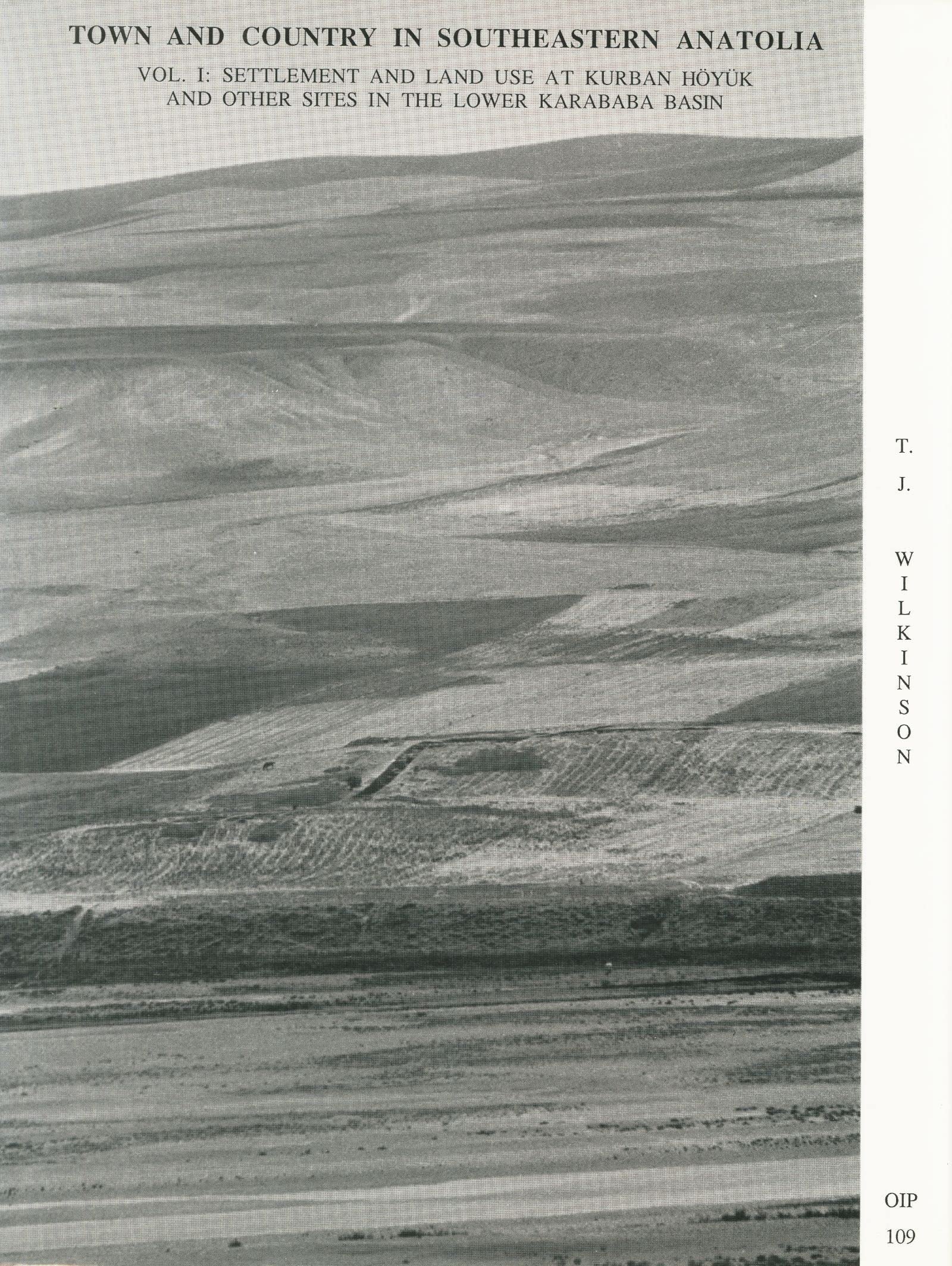
This is a report on a detailed survey conducted within an area of 100 km2 along the south (left) bank of the River Euphrates (Firat Nehri) in southeastern Turkey. The survey provided a fourteen period sequence of settlement covering a span of 8,000 years. Population growth during the late Chalcolithic and the midlate Early Bronze Age appears to have resulted in the gradual removal of woodland from the area. During the latter peak, a network of nodal settlements developed within cultivable lowlands, and formed part of a moderately wellintegrated hierarchy of villages and small towns. Following a late Bronze Ageearly Iron Age decline in visible remains of settlement, population again increased during the SeleucidHellenistic Period to reach a peak in the late Romanearly Byzantine times. By this time, all cultivable land was under either extensive or intensive cultivation and the limestone uplands probably formed rough pasture. There followed, during the seventhtenth centuries AD, a remarkable decline in remains of sedentary occupation, which only recovered slightly in the Medieval period. Several hundred years of poorly documented settlement followed which culminated in the establishment, probably by the nineteenth century, of the modern network of settlements. A substantial growth in total cultivated area appears to have resulted from largescale mechanization during the twentieth century.
⚠️ WARNING (California Proposition 65):
This product may contain chemicals known to the State of California to cause cancer,
birth defects, or other reproductive harm.
For MAP (Minimum Advertised Price) violations and Intellectual Property (IP) or Trademark concerns, please contact:
support@ergodebooks.com
⚠️ California Proposition 65 Warning: Some products sold on this website may expose you to chemicals known to the State of California to cause cancer, birth defects, or other reproductive harm. For more information, visit www.P65Warnings.ca.gov.