
Title
Traces on the Rhodian Shore: Nature and Culture in Western Thought from Ancient Times to the End of the Eighteenth Century,Used
Sold by Ergodebooks, an authorized reseller.
Returns accepted within 30 days | support@ergodebooks.com
Shipping Information
- Free Standard Shipping — United States only
- Processing Time: 3–5 business days
- Estimated Delivery: 6–10 business days after dispatch
- Double-boxed, fully insured & discreetly packaged
- Tracking number sent via email once dispatched
Returns & Refund
Returns accepted within 30 days of delivery.
Damaged or Defective Item
Free return shipping + replacement or full refund
Wrong Item Received
Free return shipping + replacement or full refund
Change of Mind
Return shipping at customer's expense · 25% restocking fee applies
Payment Option

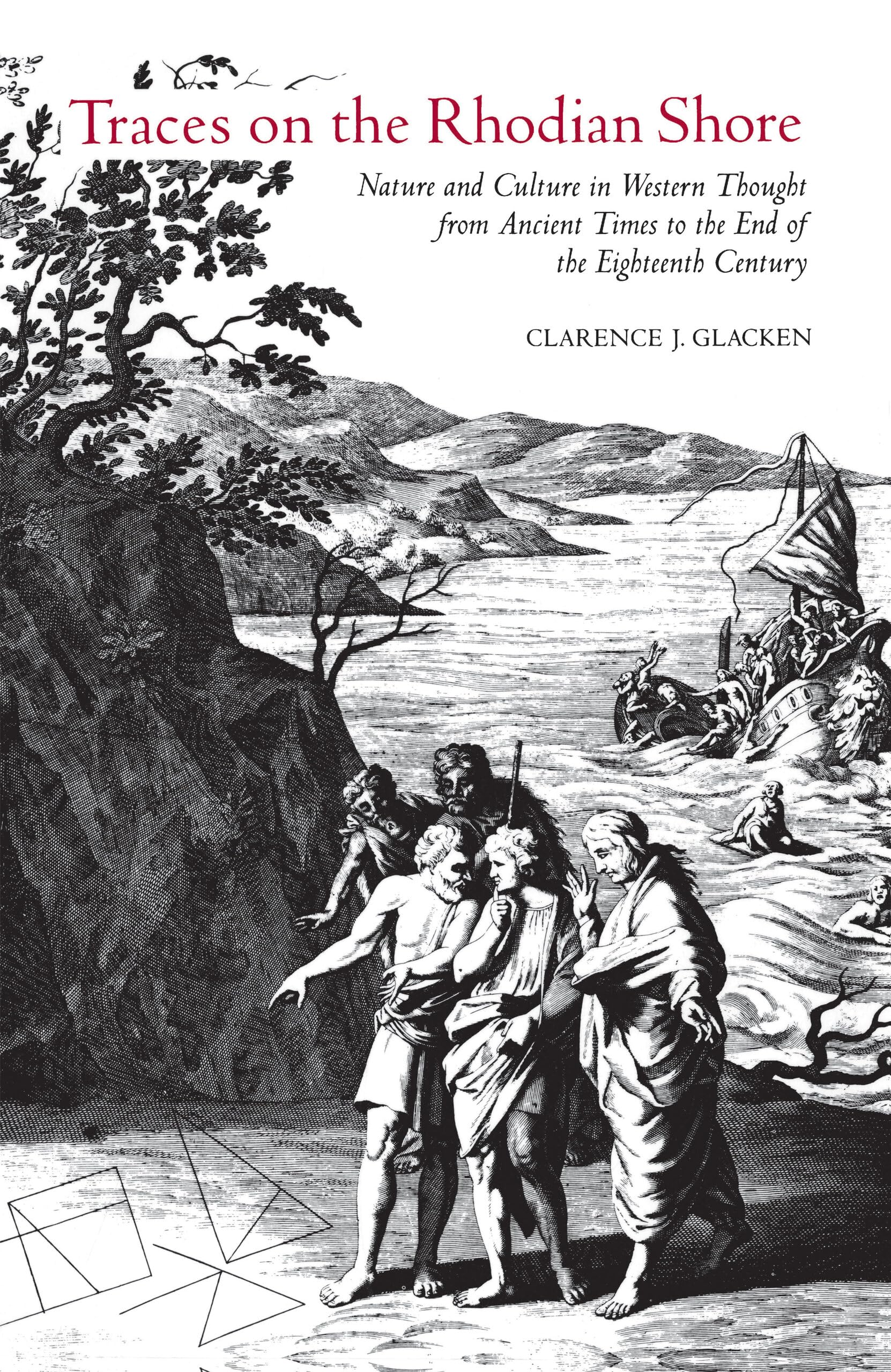
In the history of Western thought, men have persistently asked three questions concerning the habitable earth and their relationships to it. Is the earth, which is obviously a fit environment for man and other organic life, a purposefully made creation? Have its climates, its relief, the configuration of its continents influenced the moral and social nature of individuals, and have they had an influence in molding the character and nature of human culture? In his long tenure of the earth, in what manner has man changed it from its hypothetical pristine condition? From the time of the Greeks to our own, answers to these questions have been and are being given so frequently and so continually that we may restate them in the form of general ideas: the idea of a designed earth; the idea of environmental influence; and the idea of man as a geographic agent. These ideas have come from the general thought and experience of men, but the first owes much to mythology, theology, and philosophy; the second, to pharmaceutical lore, medicine, and weather observation; the third, to the plans, activities, and skills of everyday life such as cultivation, carpentry, and weaving. The first two ideas were expressed frequently in antiquity, the third less so, although it was implicit in many discussions which recognized the obvious fact that men through their arts, sciences, and techniques had changed the physical environment about them. This magnum opus of Clarence Glacken explores all of these questions from Ancient Times to the End of the Eighteenth Century.
⚠️ WARNING (California Proposition 65):
This product may contain chemicals known to the State of California to cause cancer, birth defects, or other reproductive harm.
For more information, please visit www.P65Warnings.ca.gov.
- Q: What is the main theme of 'Traces on the Rhodian Shore'? A: 'Traces on the Rhodian Shore' explores the relationship between nature and culture in Western thought, focusing on how humans perceive and interact with their environment from ancient times to the end of the eighteenth century.
- Q: Who is the author of this book? A: The book is authored by Clarence Glacken, who examines various philosophical inquiries regarding the environment and humanity's impact on it.
- Q: When was 'Traces on the Rhodian Shore' published? A: The book was published on August 24, 1976.
- Q: What is the length of the book? A: 'Traces on the Rhodian Shore' consists of 796 pages.
- Q: What type of binding does this book have? A: This edition of the book is bound in paperback.
- Q: Is 'Traces on the Rhodian Shore' suitable for academic study? A: Yes, the book is well-suited for academic study, particularly for those interested in philosophy, environmental studies, and cultural history.
- Q: Does the book address the influence of climate on human culture? A: Yes, the book discusses how various climates and geographical features may influence the moral and social nature of individuals and cultures.
- Q: What time period does the book cover? A: 'Traces on the Rhodian Shore' covers the history of Western thought from ancient times up to the end of the eighteenth century.
- Q: Can this book provide insights into environmental philosophy? A: Absolutely, the book provides valuable insights into environmental philosophy by addressing how humans have perceived and interacted with nature throughout history.
- Q: Is this book appropriate for general readers or just scholars? A: While the book is academically rigorous, it can also be appreciated by general readers interested in the philosophical discussions surrounding nature and culture.