
Title
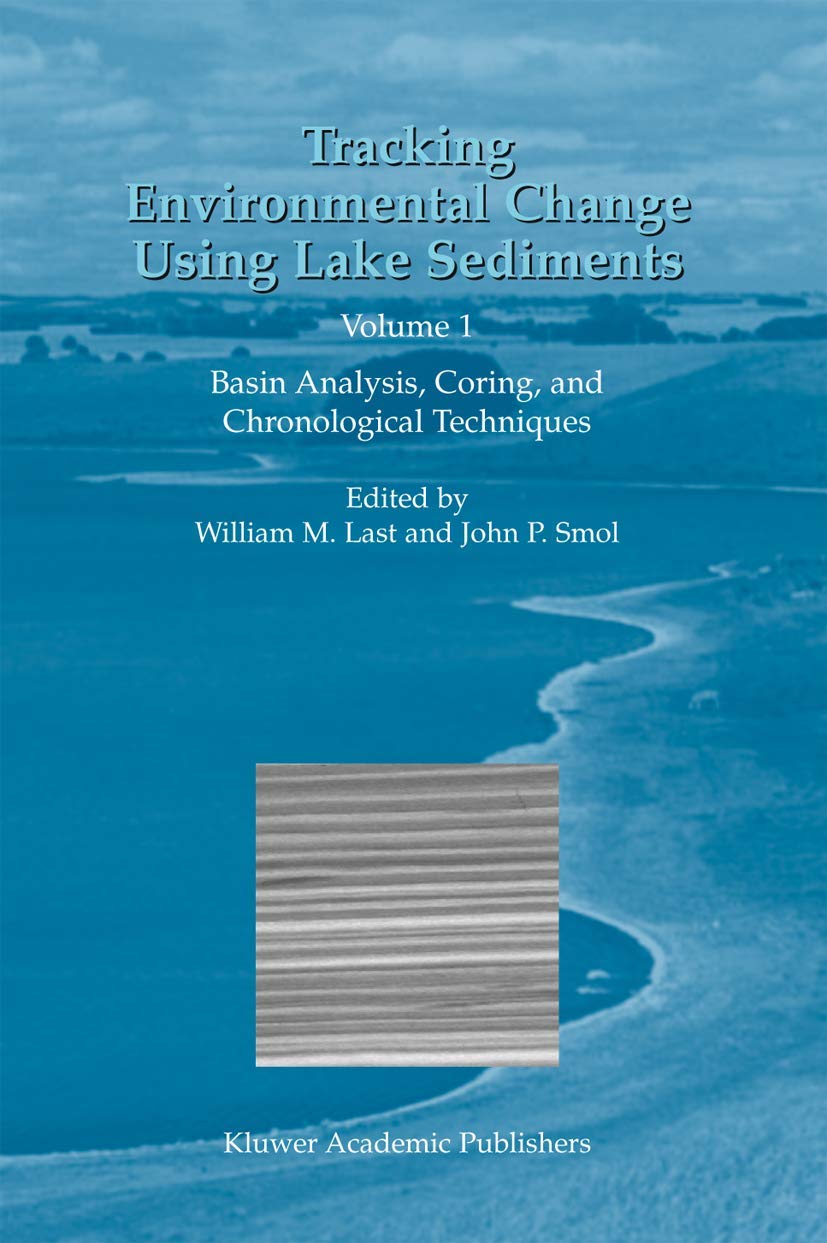
Tracking Environmental Change Using Lake Sediments: Volume 1: Basin Analysis, Coring, and Chronological Techniques (Developments,Used
Sold by Ergodebooks, an authorized reseller.
Returns accepted within 30 days | support@ergodebooks.com
Shipping Information
- Free Standard Shipping — United States only
- Processing Time: 3–5 business days
- Estimated Delivery: 6–10 business days after dispatch
- Double-boxed, fully insured & discreetly packaged
- Tracking number sent via email once dispatched
Returns & Refund
Returns accepted within 30 days of delivery.
Damaged or Defective Item
Free return shipping + replacement or full refund
Wrong Item Received
Free return shipping + replacement or full refund
Change of Mind
Return shipping at customer's expense · 25% restocking fee applies
Payment Option

Origins of fallout radionuclides Sediment records of fallout radionuclides Simple dating models Vertical mixing Numerical techniques Radiometric techniques Discussion Summary Acknowledgements References 10. chronostratigraphic techniques in paleolimnology. Svante Bjrck & Barbara Wohlfarth 205 Introduction Methods and problems Radiocarbondating different fractions of the sediment as a chronostratigraphic tool Dating of long (old) stratigraphies High resolution dating and wiggle matching dating versus absolute dating techniques of lacustrine sediments Concluding remarks Summary Useful www addresses Acknowledgements References 11. Varve chronology techniques. Scott Lamoureux 247 Introduction Methods Summary and future directions Acknowledgements References 12. Luminescence dating. Olav B. Lian & D. J. Huntley 261 Introduction The mechanism responsible for luminescence Dating and estimation of the paleodose Thermoluminescence dating Optical dating Evaluating the environmental dose rate xi Sample collection and preparation What types of depositional environments are suitable for luminescence dating? What can lead to an inaccurate optical age? Summary Acknowledgements References 13. Electron spin resonance (ESR) dating in lacustrine environments. Bonnie A. B. Blackwell 283 Introduction Principles of ESR analysis Sample collection ESR analysis ESR microscopy and other new techniques Applications and datable materials in limnological settings Summary Acknowledgements References 14. Use of paleomagnetism in studies of lake sediments. John King & John Peck 371 Introduction Recording fidelity of geomagnetic behavior by sediments Field and laboratory methods Holocene SV records Magnetostratigraphic studies of Neogene lake sediments Excursions, short events and relative paleointensity Conclusions Summary References 15. Amino acid racemization (AAR) dating and analysis in lacustrine environments.
⚠️ WARNING (California Proposition 65):
This product may contain chemicals known to the State of California to cause cancer, birth defects, or other reproductive harm.
For more information, please visit www.P65Warnings.ca.gov.