
Title
Trade Finance During The Great Trade Collapse (Trade And Development),New
Sold by Ergodebooks, an authorized reseller.
Returns accepted within 30 days | support@ergodebooks.com
Shipping Information
- Free Standard Shipping — United States only
- Processing Time: 3–5 business days
- Estimated Delivery: 6–10 business days after dispatch
- Double-boxed, fully insured & discreetly packaged
- Tracking number sent via email once dispatched
Returns & Refund
Returns accepted within 30 days of delivery.
Damaged or Defective Item
Free return shipping + replacement or full refund
Wrong Item Received
Free return shipping + replacement or full refund
Change of Mind
Return shipping at customer's expense · 25% restocking fee applies
Payment Option

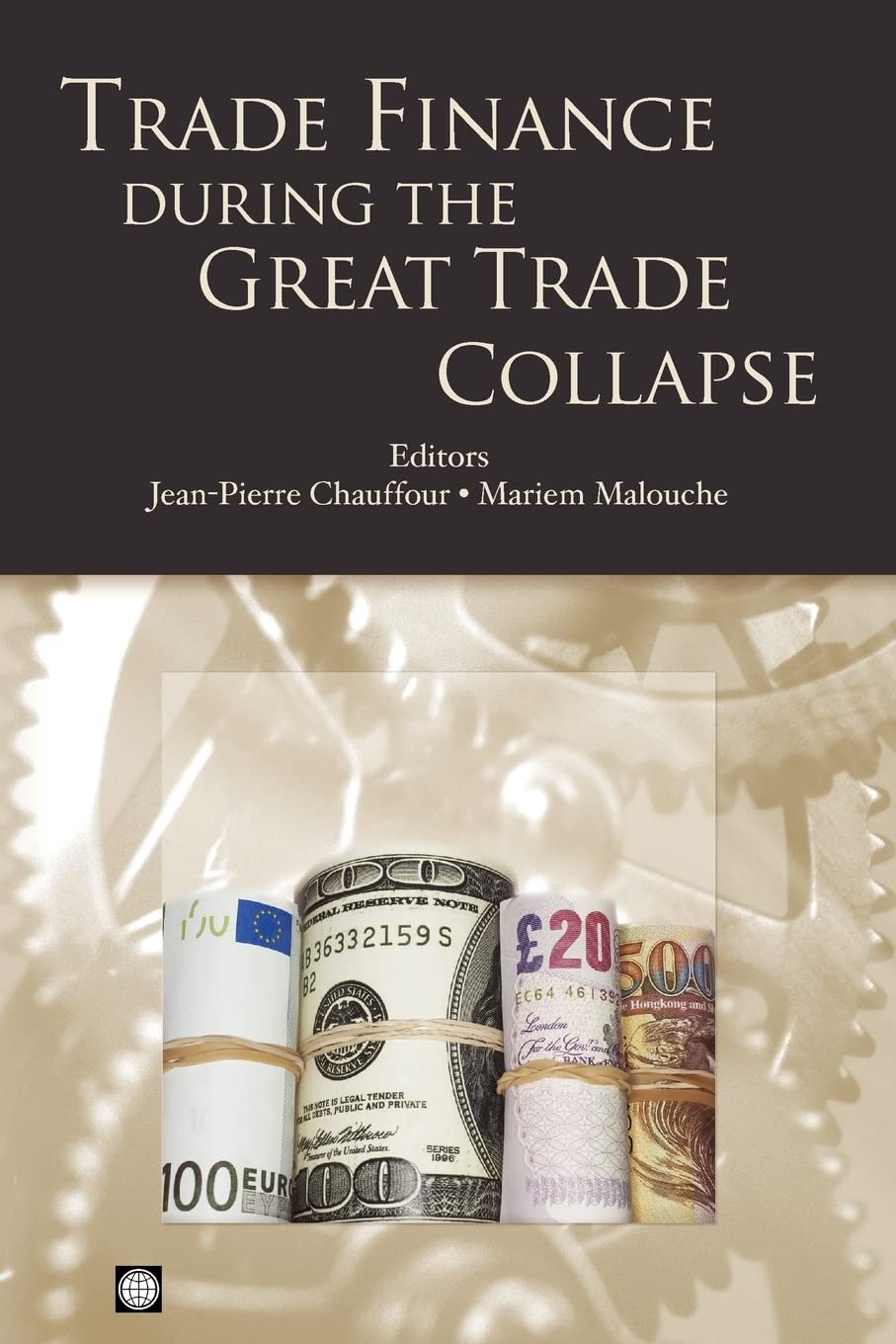
On September 15, 2008, Lehman Brothers, the fourth largest U.S. investment bank filed for bankruptcy. Global credit markets tightened. Spreads skyrocketed. International trade plummeted by double digits. Banks were reportedly unable to meet the demand from their customers to finance their international trade operations, leaving a trade finance 'gap' estimated at around US$25 billion. Governments and international institutions felt compelled to intervene based on the information that some 8090 percent of world trade relies on some form of trade finance. As the recovery unfolds, the time has come to provide policy makers and analysts with a comprehensive assessment of the role of trade finance in the 200809 great trade collapse and the subsequent role of governments and institutions to help restore trade finance markets.After reviewing the underpinning of trade finance and interfirm trade credit, 'Trade Finance during the Great Trade Collapse' aims to answer the following questions: Was the availability and cost of trade finance a major constraint on trade during the 200809 global economic crisis? What are the underpinnings and limits of national and international public interventions in support of trade finance markets in times of crisis? How effective were the public and private sector mechanisms put in place during the crisis to support trade and trade finance? To what extent have the new banking regulations under Basel II and Basel III exacerbated the trade finance shortfall during the crisis and in the postcrisis environment, respectively?'Trade Finance during the Great Trade Collapse' is the product of a fruitful collaboration during the crisis among the World Bank Group, international financial partners, private banks, and academia.'Trade is the lifeblood of the world economy, and the sharp collapse in trade volumes was one of the most dramatic consequences of the global financial crisis. It was the moment the financial crisis hit the real economy, and when parts of the world far from the epicenter of financial turbulence felt its full fury. This book is extremely timely and full of critical insights into the role of trade finance and the potential damaging impact from the unintended consequences of regulatory changes.'Peter Sands, CEO, Standard Chartered Bank
⚠️ WARNING (California Proposition 65):
This product may contain chemicals known to the State of California to cause cancer, birth defects, or other reproductive harm.
For more information, please visit www.P65Warnings.ca.gov.