If you have any questions, you are always welcome to contact us. We'll get back to you as soon as possible, withing 24 hours on weekdays.
Customer service
All questions about your order, return and delivery must be sent to our customer service team by e-mail at yourstore@yourdomain.com
Sale & Press
If you are interested in selling our products, need more information about our brand or wish to make a collaboration, please contact us at press@yourdomain.com
Help
If you have any questions, you are always welcome to contact us. We'll get back to you as soon as possible, withing 24 hours on weekdays.
Customer service
All questions about your order, return and delivery must be sent to our customer service team by e-mail at yourstore@yourdomain.com
Sale & Press
If you are interested in selling our products, need more information about our brand or wish to make a collaboration, please contact us at press@yourdomain.com
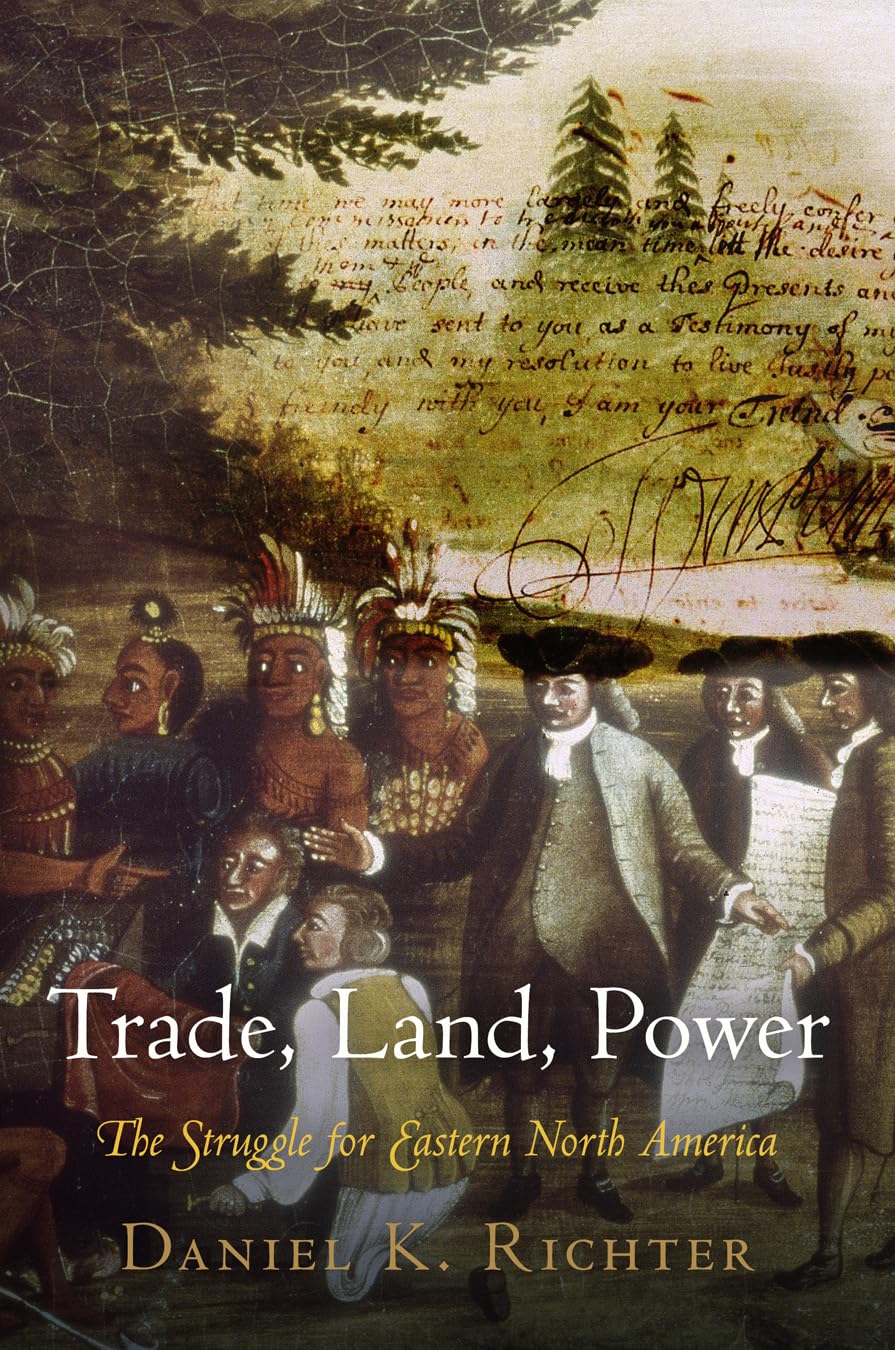
In this sweeping collection of essays, one of America's leading colonial historians reinterprets the struggle between Native peoples and Europeans in terms of how each understood the material basis of power.Throughout the seventeenth and eighteenth centuries in eastern North America, Natives and newcomers alike understood the close relationship between political power and control of trade and land, but they did so in very different ways. For Native Americans, trade was a collective act. The alliances that made a people powerful became visible through material exchanges that forged connections among kin groups, villages, and the spirit world. The land itself was often conceived as a participant in these transactions through the blessings it bestowed on those who gave in return. For colonizers, by contrast, power tended to grow from the individual accumulation of goods and landed property more than from collective exchangefrom domination more than from alliance. For many decades, an uneasy balance between the two systems of power prevailed.Tracing the messy process by which global empires and their colonial populations could finally abandon compromise and impose their definitions on the continent, Daniel K. Richter casts penetrating light on the nature of European colonization, the character of Native resistance, and the formative roles that each played in the origins of the United States.
⚠️ WARNING (California Proposition 65):
This product may contain chemicals known to the State of California to cause cancer,
birth defects, or other reproductive harm.
For MAP (Minimum Advertised Price) violations and Intellectual Property (IP) or Trademark concerns, please contact:
support@ergodebooks.com
⚠️ California Proposition 65 Warning: Some products sold on this website may expose you to chemicals known to the State of California to cause cancer, birth defects, or other reproductive harm. For more information, visit www.P65Warnings.ca.gov.