
Title
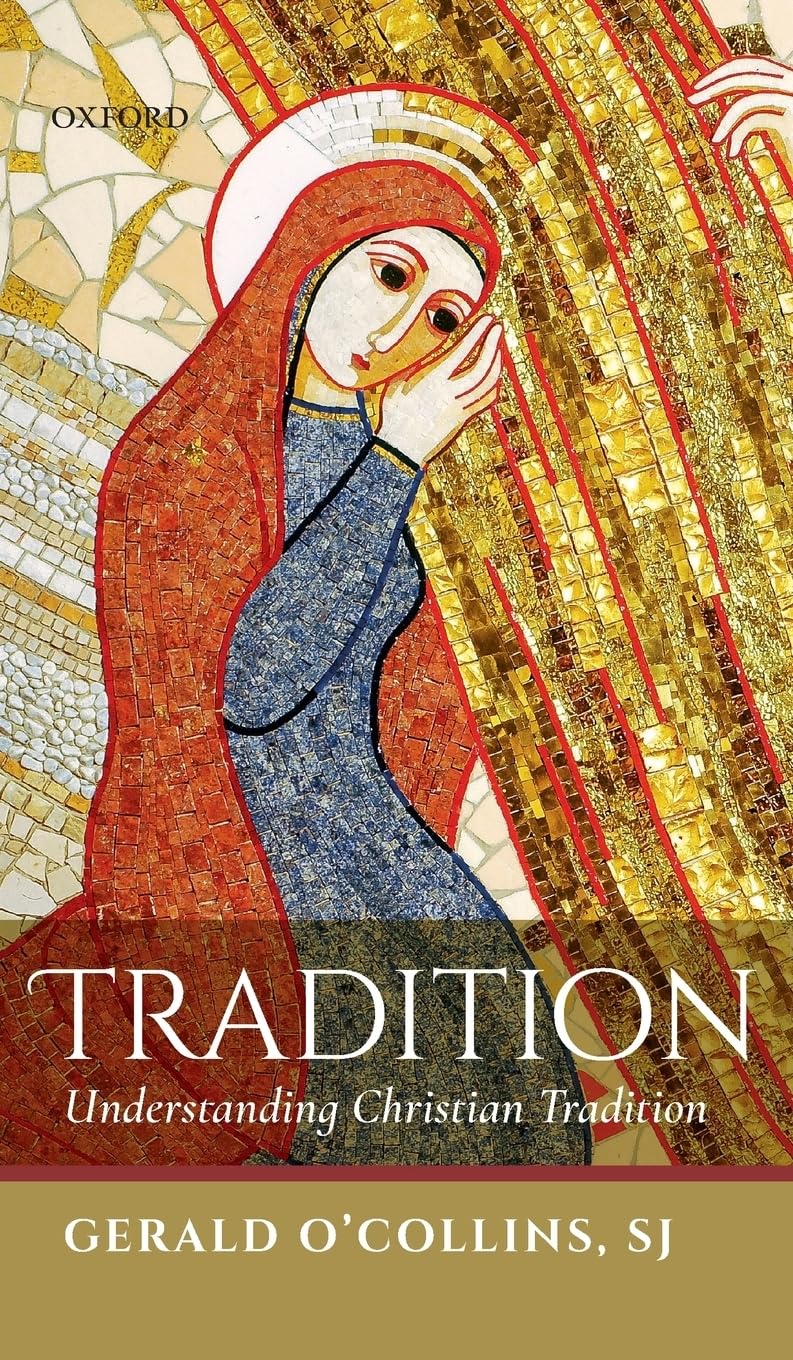
Tradition: Understanding Christian Tradition,Used
Sold by Ergodebooks, an authorized reseller.
Returns accepted within 30 days | support@ergodebooks.com
Shipping Information
- Free Standard Shipping — United States only
- Processing Time: 3–5 business days
- Estimated Delivery: 6–10 business days after dispatch
- Double-boxed, fully insured & discreetly packaged
- Tracking number sent via email once dispatched
Returns & Refund
Returns accepted within 30 days of delivery.
Damaged or Defective Item
Free return shipping + replacement or full refund
Wrong Item Received
Free return shipping + replacement or full refund
Change of Mind
Return shipping at customer's expense · 25% restocking fee applies
Payment Option

A 1963 report on tradition from the Faith and Order Commission of the World Council of Churches signalled a substantial convergence between the churches over Christian tradition and its relationship to Scripture. However, since the 1960s theologians have regularly ignored the theme of tradition. The few who have discussed this theme have not used the help provided by some sociologists towards understanding the role of tradition in human and religious life: for instance, as being allpervasive and as shaping the identity of various societies and groups. The process and presence of Christian tradition embrace baptism and other sacraments, Bible, creeds and other doctrines, art, architecture, hymns, pilgrimages, literature, the celebration of Christmas, Easter and other feasts, and much else besides. Particular traditions can call for scrutiny and reform. Tradition: Understanding Christian Tradition proposes various criteria (e.g. the message of the Scriptures and spiritual experience) for discerning and evaluating specific traditions. Through the power of the Holy Spirit, the risen Christ himself is the central Tradition (upper case) at the heart of all Christian traditions. The Spirit remains the primary bearer of the Church's tradition; the secondary agents of tradition include not only ordained ministers but also all the baptized faithful. In the history of Christianity, tradition has interpreted and actualized the Scriptures, but has also been interpreted and challenged by them. An appendix explains the insights coming from specialists in the study of collective memory; their work also sheds light on the workings of Christian tradition.
⚠️ WARNING (California Proposition 65):
This product may contain chemicals known to the State of California to cause cancer, birth defects, or other reproductive harm.
For more information, please visit www.P65Warnings.ca.gov.