
Title
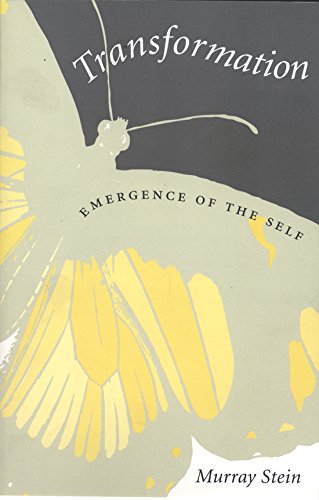
Transformation: Emergence of the Self (Volume 7) (Carolyn and Ernest Fay Series in Analytical Psychology),Used
Sold by Ergodebooks, an authorized reseller.
Returns accepted within 30 days | support@ergodebooks.com
Shipping Information
- Free Standard Shipping — United States only
- Processing Time: 3–5 business days
- Estimated Delivery: 6–10 business days after dispatch
- Double-boxed, fully insured & discreetly packaged
- Tracking number sent via email once dispatched
Returns & Refund
Returns accepted within 30 days of delivery.
Damaged or Defective Item
Free return shipping + replacement or full refund
Wrong Item Received
Free return shipping + replacement or full refund
Change of Mind
Return shipping at customer's expense · 25% restocking fee applies
Payment Option

Also available in an openaccess, fulltext edition at http://oaktrust.library.tamu.edu/handle/1969.1/85763 A thirtyfiveyearold woman dreams of a butterfly and wonders where her own life is going. A man from one of America's wealthiest families sees a picture of Albert Schweitzer and leaves his life of ease to become a physician and establish a clinic in Haiti. Most of us would say these people are experiencing midlife crises. More accurately, they have entered a deep psychological process called transformation. In Transformation: Emergence of the Self, noted analyst and author Murray Stein explains what this process is, and what it means for an individual to experience it. Transformation usually occurs at midlife, but is much more complicated than what we colloquially call a midlife crisis. Consciously working through this life stage can lead people to become who they are and have always potentially been. Indeed, Stein suggests, transformation is the essential human task. Stein first details how this process of transformation emerges and develops in an individual. Why does this transformation occur, and, more specifically, why does it so often occur in midlife? Using the example of poet Rainer Maria Rilke, Stein clearly and carefully walks the reader through the hows and whys of the transformation process. Looking at C. G. Jung's life, Stein then explains how transformative images stimulate the transformation process by suggesting new ways of thinking and living. Intimate relationships, like those between a husband and a wife or a doctor and a patient, can also play a very powerful role in transformation. Finally, Stein examines the process in the lives of three important people, Jung, Picasso, and Rembrandt, whose experiences of transformation led to even greater creativity and freedom. This book is successful both as an easytounderstand elucidation of the transformation process and as an invitation to personal change. For those people who would like to learn what a meaningful second half of life could be like, Transformation: Emergence of the Self is an inspiring place to start.
⚠️ WARNING (California Proposition 65):
This product may contain chemicals known to the State of California to cause cancer, birth defects, or other reproductive harm.
For more information, please visit www.P65Warnings.ca.gov.