
Title
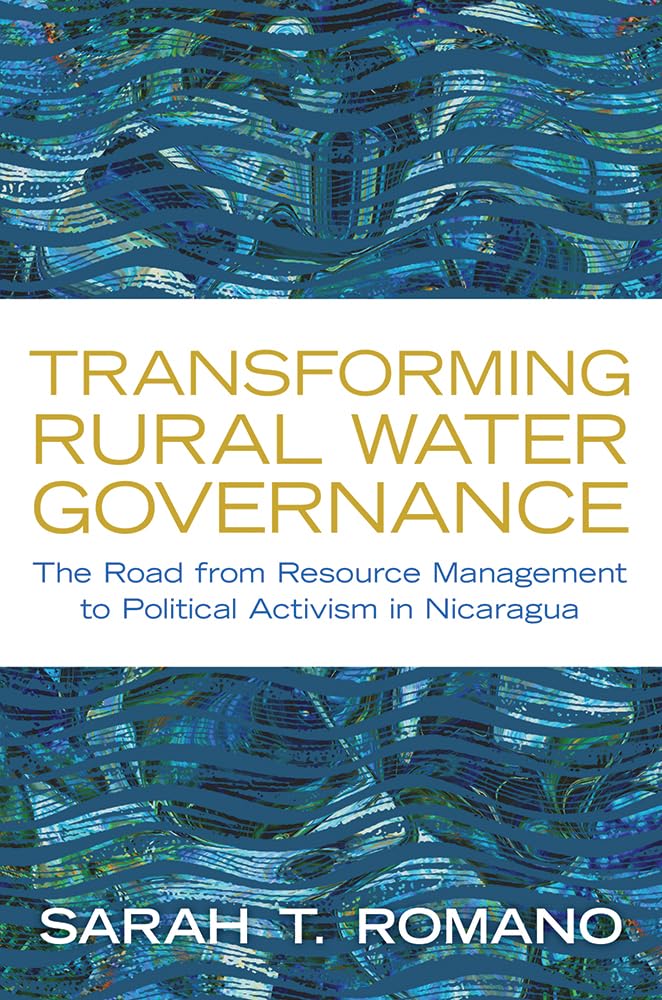
Transforming Rural Water Governance: The Road From Resource Management To Political Activism In Nicaragua,Used
Sold by Ergodebooks, an authorized reseller.
Returns accepted within 30 days | support@ergodebooks.com
Shipping Information
- Free Standard Shipping — United States only
- Processing Time: 3–5 business days
- Estimated Delivery: 6–10 business days after dispatch
- Double-boxed, fully insured & discreetly packaged
- Tracking number sent via email once dispatched
Returns & Refund
Returns accepted within 30 days of delivery.
Damaged or Defective Item
Free return shipping + replacement or full refund
Wrong Item Received
Free return shipping + replacement or full refund
Change of Mind
Return shipping at customer's expense · 25% restocking fee applies
Payment Option

The most acute water crises occur in everyday contexts in impoverished rural and urban areas across the Global South. While they rarely make headlines, these crises, characterized by inequitable access to sufficient and clean water, affect over one billion people globally. What is less known, though, is that millions of these same global citizens are at the forefront of responding to the challenges of water privatization, climate change, deforestation, megahydraulic projects, and other threats to accessing water as a critical resource.In Transforming Rural Water Governance Sarah T. Romano explains the bottomup development and political impact of communitybased water and sanitation committees (CAPS) in Nicaragua. Romano traces the evolution of CAPS from rural resource management associations into a national political force through grassroots organizing and strategic alliances.Resource management and service provision is inherently political: charging residents fees for service, determining rules for household water shutoffs and reconnections, and negotiating access to water sources with local property owners constitute just a few of the highly political endeavors resource management associations like CAPS undertake as part of their daytoday work in their communities. Yet, for decades in Nicaragua, this local work did not reflect political activism. In the mid2000s CAPS collective push for social change propelled them onto a national stage and into new roles as they demanded recognition from the government.Romano argues that the transformation of Nicaraguas CAPS into political actors is a promising example of the pursuit of sustainable and equitable water governance, particularly in Latin America. Transforming Rural Water Governance demonstrates that when activism informs public policy processes, the outcome is more inclusive governance and the potential for greater social and environmental justice.
⚠️ WARNING (California Proposition 65):
This product may contain chemicals known to the State of California to cause cancer, birth defects, or other reproductive harm.
For more information, please visit www.P65Warnings.ca.gov.