
Title
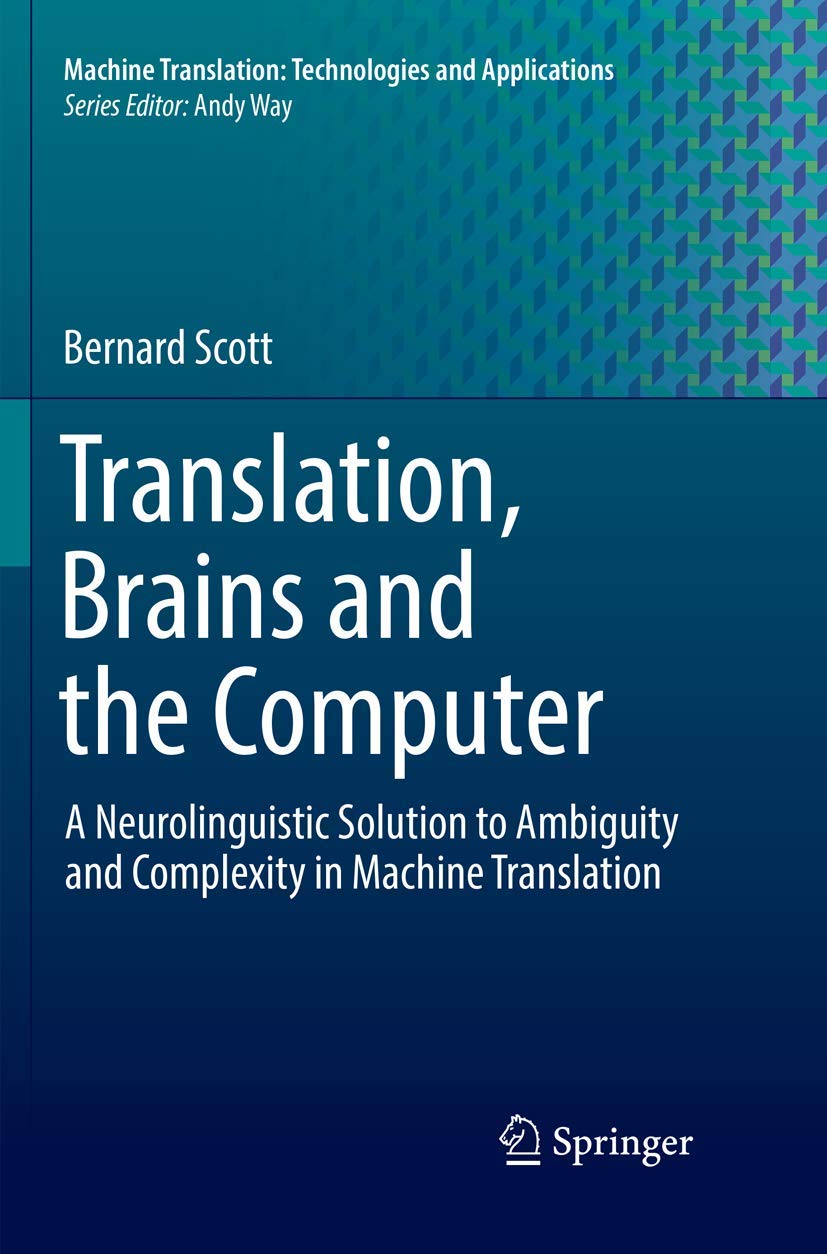
Translation, Brains and the Computer: A Neurolinguistic Solution to Ambiguity and Complexity in Machine Translation (Machine Tra,Used
Sold by Ergodebooks, an authorized reseller.
Returns accepted within 30 days | support@ergodebooks.com
Shipping Information
- Free Standard Shipping — United States only
- Processing Time: 3–5 business days
- Estimated Delivery: 6–10 business days after dispatch
- Double-boxed, fully insured & discreetly packaged
- Tracking number sent via email once dispatched
Returns & Refund
Returns accepted within 30 days of delivery.
Damaged or Defective Item
Free return shipping + replacement or full refund
Wrong Item Received
Free return shipping + replacement or full refund
Change of Mind
Return shipping at customer's expense · 25% restocking fee applies
Payment Option

This book is about machine translation (MT) and the classic problems associated with this language technology. It examines the causes of these problems and, for linguistic, rulebased systems, attributes the cause to languages ambiguity and complexity and their interplay in logicdriven processes. For nonlinguistic, datadriven systems, the book attributes translation shortcomings to the very lack of linguistics. It then proposes a demonstrable way to relieve these drawbacks in the shape of a working translation model (Logos Model) that has taken its inspiration from key assumptions about psycholinguistic and neurolinguistic function. The book suggests that this brainbased mechanism is effective precisely because it bridges both linguistically driven and datadriven methodologies. It shows how simulation of this cerebral mechanism has freed this one MT model from the allimportant, classic problem of complexity when coping with the ambiguities of language. Logos Model accomplishes this by a datadriven process that does not sacrifice linguistic knowledge, but that, like the brain, integrates linguistics within a datadriven process. As a consequence, the book suggests that the brainlike mechanism embedded in this model has the potential to contribute to further advances in machine translation in all its technological instantiations.
⚠️ WARNING (California Proposition 65):
This product may contain chemicals known to the State of California to cause cancer, birth defects, or other reproductive harm.
For more information, please visit www.P65Warnings.ca.gov.