
Title
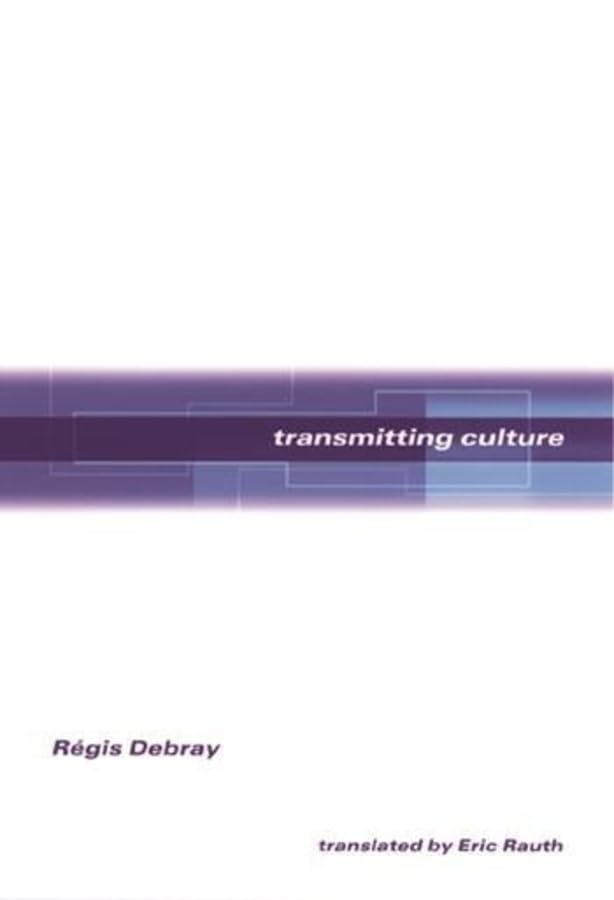
Transmitting Culture (European Perspectives: A Series in Social Thought and Cultural Criticism),Used
Sold by Ergodebooks, an authorized reseller.
Returns accepted within 30 days | support@ergodebooks.com
Shipping Information
- Free Standard Shipping — United States only
- Processing Time: 3–5 business days
- Estimated Delivery: 6–10 business days after dispatch
- Double-boxed, fully insured & discreetly packaged
- Tracking number sent via email once dispatched
Returns & Refund
Returns accepted within 30 days of delivery.
Damaged or Defective Item
Free return shipping + replacement or full refund
Wrong Item Received
Free return shipping + replacement or full refund
Change of Mind
Return shipping at customer's expense · 25% restocking fee applies
Payment Option

An examination of the difference between communication and transmission that stresses technologies and institutions long overlooked in the study of symbols and signs throughout the history of civilizations.
⚠️ WARNING (California Proposition 65):
This product may contain chemicals known to the State of California to cause cancer, birth defects, or other reproductive harm.
For more information, please visit www.P65Warnings.ca.gov.
- Q: How many pages does the book have? A: The book has two hundred twenty-four pages. This length provides a thorough exploration of the topics discussed.
- Q: What are the dimensions of the book? A: The book measures five point seven two inches in length, zero point four three inches in width, and eight point seven eight inches in height. These dimensions make it a convenient size for reading.
- Q: What type of binding does this book have? A: This book is paperback bound. Paperback binding is flexible and lightweight, making it easy to carry.
- Q: Who is the author of 'Transmitting Culture'? A: The author is Régis Debray. He is known for his work in the fields of media studies and cultural criticism.
- Q: What is the main topic of the book? A: The book examines the difference between communication and transmission. It highlights overlooked technologies and institutions in the study of signs and symbols.
- Q: Is this book suitable for academic study? A: Yes, this book is suitable for academic study. It provides insightful analysis relevant to cultural studies and linguistics.
- Q: Can I read this book if I'm a beginner in linguistics? A: Yes, beginners in linguistics can read this book. Its accessible writing style makes complex ideas understandable.
- Q: What reading level is this book appropriate for? A: This book is appropriate for readers at the college level and above. It discusses advanced concepts in cultural criticism.
- Q: Is this book suitable for young readers? A: No, this book is not suitable for young readers. Its themes and discussions are geared toward older audiences.
- Q: How should I store this book? A: Store this book in a cool, dry place. Keeping it away from direct sunlight will help preserve its condition.
- Q: Can I clean the book if it gets dirty? A: Yes, you can gently wipe the book's cover with a damp cloth. Avoid using harsh chemicals to prevent damage.
- Q: What if the book arrives damaged? A: If the book arrives damaged, you should contact the seller for a replacement or refund. Most retailers have a return policy for damaged items.
- Q: Is there a warranty on this book? A: No, books typically do not come with a warranty. However, check the retailer's return policy for any guarantees.
- Q: Can I return the book if I don't like it? A: Yes, you can typically return the book if you don't like it. Review the specific return policy of the retailer.
- Q: Where can I find more information about the author? A: You can find more information about Régis Debray through online literary databases and academic resources. He has written extensively on media and culture.
- Q: How does this book compare to other works in linguistics? A: This book offers a unique perspective on communication and transmission, distinguishing it from other linguistics texts. It focuses on cultural context rather than purely theoretical aspects.