
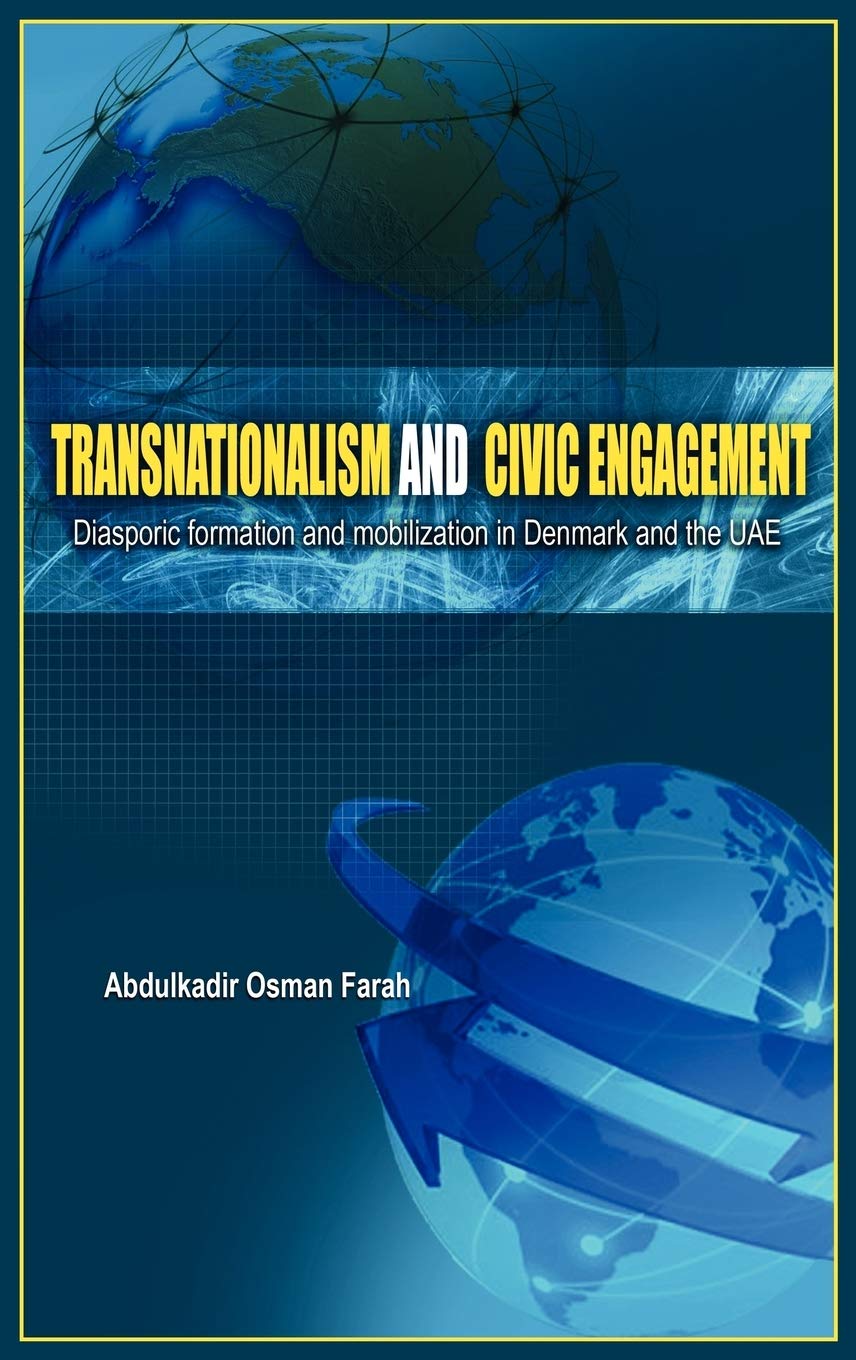
Title
Transnationalism And Civic Engagement: Diasporic Formation and Mobilization In Denmark and The UAE,New
Sold by Ergodebooks, an authorized reseller.
Returns accepted within 30 days | support@ergodebooks.com
Shipping Information
- Free Standard Shipping — United States only
- Processing Time: 3–5 business days
- Estimated Delivery: 6–10 business days after dispatch
- Double-boxed, fully insured & discreetly packaged
- Tracking number sent via email once dispatched
Returns & Refund
Returns accepted within 30 days of delivery.
Damaged or Defective Item
Free return shipping + replacement or full refund
Wrong Item Received
Free return shipping + replacement or full refund
Change of Mind
Return shipping at customer's expense · 25% restocking fee applies
Payment Option

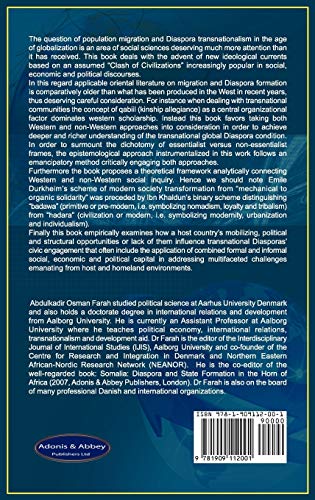
The question of population migration and Diaspora transnationalism in the age of globalization is an area of social sciences deserving much more attention than it has received. This book deals with the advent of new ideological currents based on an assumed 'Clash of Civilizations' increasingly popular in social, economic and political discourses. In this regard applicable oriental literature on migration and Diaspora formation is comparatively older than what has been produced in the west in recent years, thus deserving careful consideration. For instance when dealing with transnational communities the concept of qabiil (kinship allegiance) as a central organizational factor dominates western scholarship. Instead this book favors taking both western and nonwestern approaches into consideration in order to achieve deeper and richer understanding of the transnational global Diaspora condition. In order to surmount the dichotomy of essentialist versus noessentialist frames, the epistemological approach instrumentalized in this work follows an emancipatory method critically engaging both approaches. Furthermore the book proposes a theoretical framework analytically connecting western and nonwestern social inquiry. Hence we should note Emile Durkheim's scheme of modern society transformation from 'mechanical to organic solidarity' was preceded by Ibn Khaldun's binary scheme distinguishing 'badawa' (primitive or premodern, i.e. symbolizing nomadism, loyalty and tribalism) from 'hadara' (civilization or modern, i.e. symbolizing modernity, urbanization and individualism). Finally this book empirically examines how a host country's mobilizing, political and structural opportunities or lack of them influence transnational Diasporas' civic engagement that often include the application of combined formal and informal social, economic and political capital in addressing multifaceted challenges emanating from host and homeland environments.
⚠️ WARNING (California Proposition 65):
This product may contain chemicals known to the State of California to cause cancer, birth defects, or other reproductive harm.
For more information, please visit www.P65Warnings.ca.gov.