
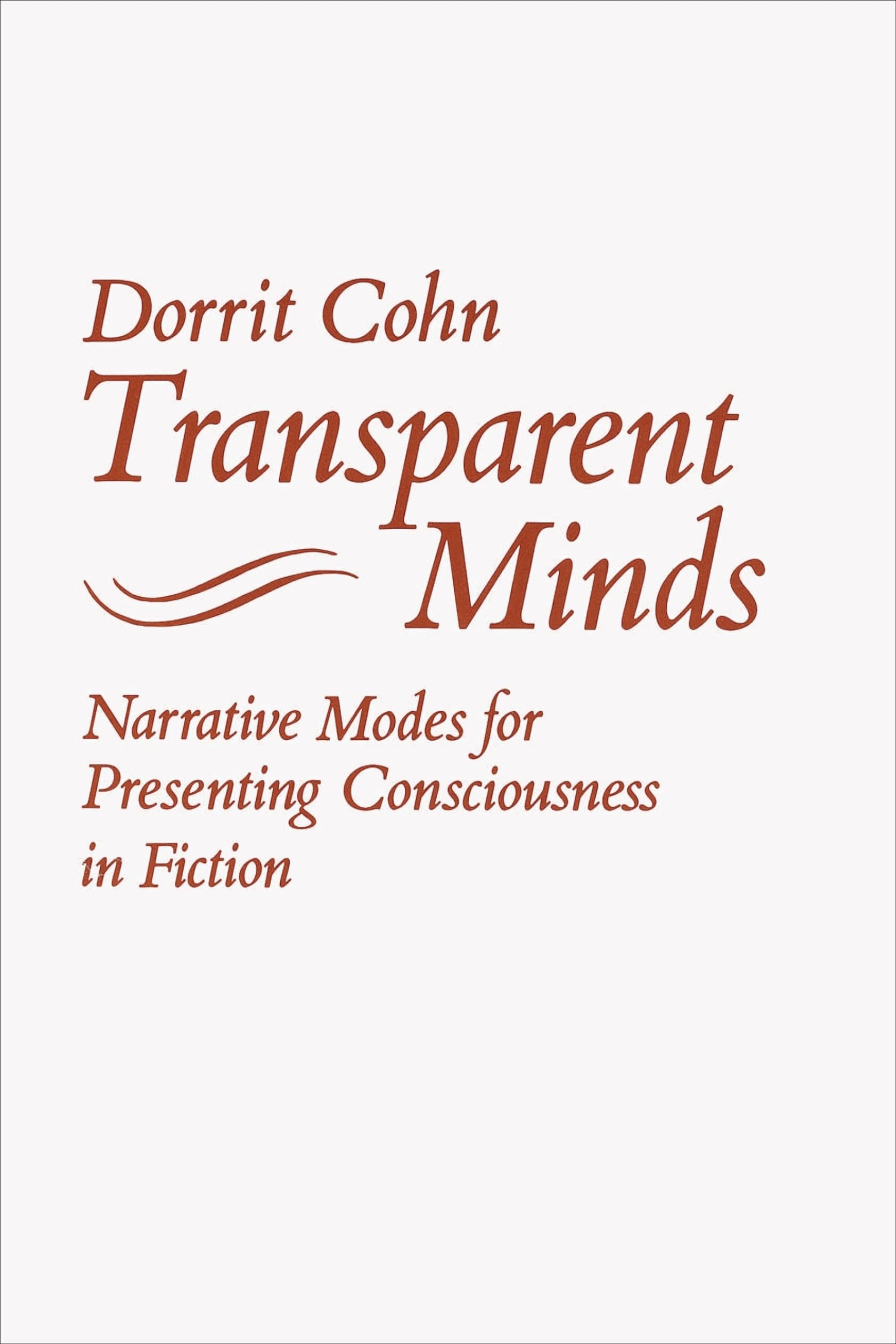
Title
Transparent Minds,New
Sold by Ergodebooks, an authorized reseller.
Returns accepted within 30 days | support@ergodebooks.com
Shipping Information
- Free Standard Shipping — United States only
- Processing Time: 3–5 business days
- Estimated Delivery: 6–10 business days after dispatch
- Double-boxed, fully insured & discreetly packaged
- Tracking number sent via email once dispatched
Returns & Refund
Returns accepted within 30 days of delivery.
Damaged or Defective Item
Free return shipping + replacement or full refund
Wrong Item Received
Free return shipping + replacement or full refund
Change of Mind
Return shipping at customer's expense · 25% restocking fee applies
Payment Option

This book investigates the entire spectrum of techniques for portraying the mental lives of fictional characters in both the streamofconsciousness novel and other fiction. Each chapter deals with one main technique, illustrated from a wide range of nineteenth and twentiethcentury fiction by writers including Stendhal, Dostoevsky, James, Mann, Kafka, Joyce, Proust, Woolf, and Sarraute.
⚠️ WARNING (California Proposition 65):
This product may contain chemicals known to the State of California to cause cancer, birth defects, or other reproductive harm.
For more information, please visit www.P65Warnings.ca.gov.
- Q: How many pages does 'Transparent Minds' have? A: This book has three hundred forty-four pages. It provides a comprehensive exploration of techniques for portraying mental lives in fiction.
- Q: What are the dimensions of 'Transparent Minds'? A: The dimensions are six inches in length, zero point eight seven inches in width, and nine point zero two inches in height. These measurements make it a standard paperback size.
- Q: Who is the author of 'Transparent Minds'? A: The author is Dorrit Claire Cohn. She is known for her insightful analyses of narrative techniques in literature.
- Q: What is the binding type of 'Transparent Minds'? A: This book is paperback bound. This makes it lightweight and easy to handle for readers.
- Q: What genre does 'Transparent Minds' fall under? A: It falls under the Criticism & Theory genre. The book critically examines literary techniques used by various authors.
- Q: How can I use 'Transparent Minds' effectively? A: You can use this book as a resource for understanding narrative techniques. It is particularly useful for students and writers interested in character portrayal.
- Q: Is 'Transparent Minds' suitable for beginners in literary studies? A: Yes, it is suitable for beginners. The book breaks down complex techniques into accessible discussions for all readers.
- Q: What age group is 'Transparent Minds' appropriate for? A: This book is appropriate for adults and advanced teens. The content is geared towards those studying literature or writing.
- Q: How should I store 'Transparent Minds' to keep it in good condition? A: Store it upright on a shelf or in a bookcase. Avoid exposing it to direct sunlight or moisture to prevent damage.
- Q: Can I clean 'Transparent Minds' if it gets dirty? A: Yes, you can clean it gently. Use a dry cloth to wipe off any dust or smudges without damaging the cover.
- Q: What if 'Transparent Minds' arrives damaged? A: You can return it for a replacement or refund. Check the return policy from the retailer where you purchased it.
- Q: Is there a warranty for 'Transparent Minds'? A: No, there is no warranty for books. However, you can inquire about the retailer's return policy if needed.
- Q: How does 'Transparent Minds' compare to other literary criticism works? A: It offers a unique focus on narrative techniques. Compared to other works, it emphasizes the portrayal of mental lives in fiction.
- Q: Is 'Transparent Minds' recommended for advanced literary studies? A: Yes, it is recommended for advanced studies. The book provides in-depth analyses that benefit serious students of literature.
- Q: What themes are explored in 'Transparent Minds'? A: It explores themes of consciousness and character development in fiction. The book illustrates these themes using examples from various authors.