
Title
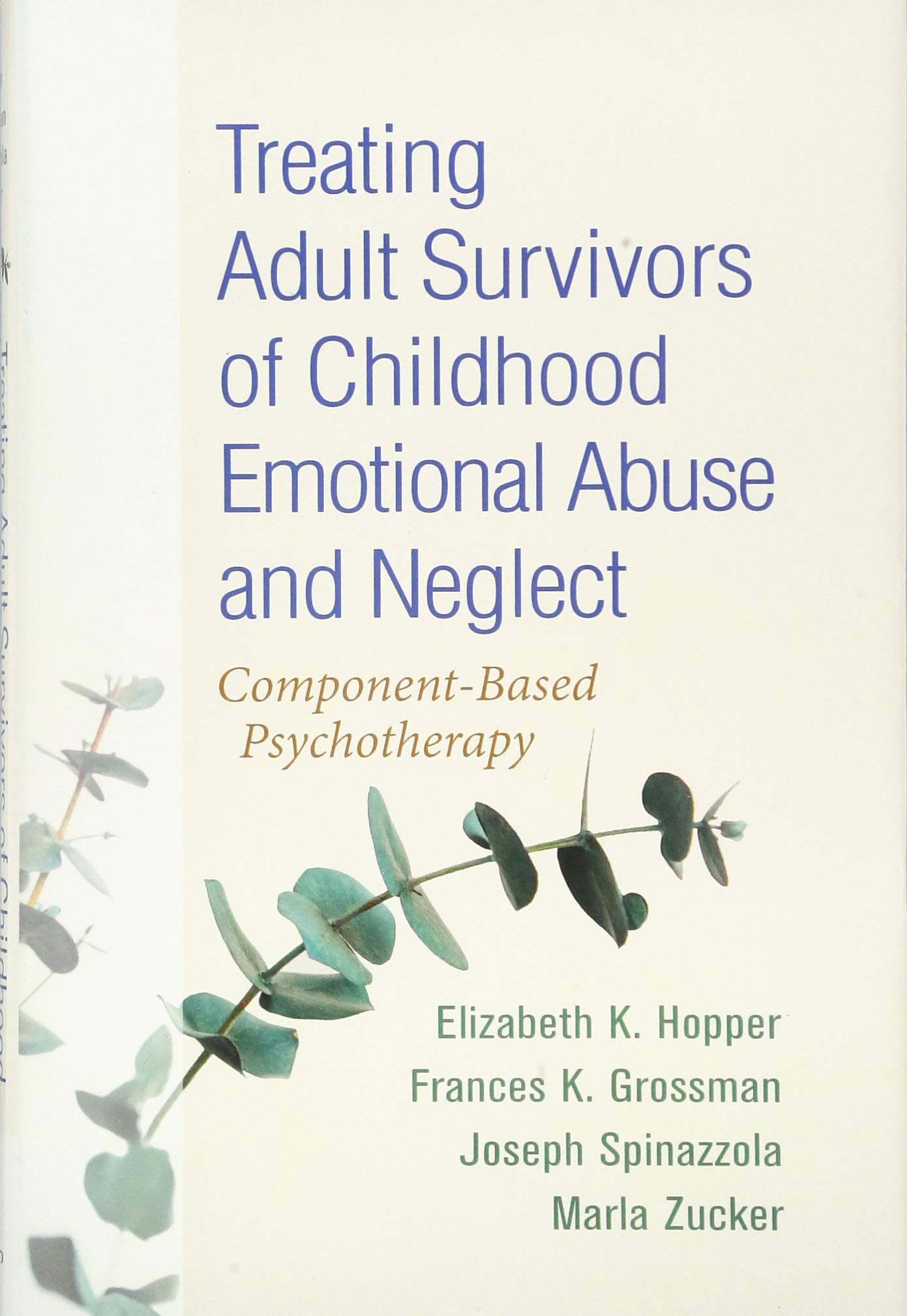
Treating Adult Survivors Of Childhood Emotional Abuse And Neglect: Componentbased Psychotherapy
Sold by Ergodebooks, an authorized reseller.
Returns accepted within 30 days | support@ergodebooks.com
Shipping Information
- Free Standard Shipping — United States only
- Processing Time: 3–5 business days
- Estimated Delivery: 6–10 business days after dispatch
- Double-boxed, fully insured & discreetly packaged
- Tracking number sent via email once dispatched
Returns & Refund
Returns accepted within 30 days of delivery.
Damaged or Defective Item
Free return shipping + replacement or full refund
Wrong Item Received
Free return shipping + replacement or full refund
Change of Mind
Return shipping at customer's expense · 25% restocking fee applies
Payment Option

Grounded In 40 Years Of Clinical Practice And Research, This Book Provides A Systematic Yet Flexible Evidenceinformed Framework For Treating Adult Survivors Of Complex Trauma, Particularly Those Exposed To Chronic Emotional Abuse Or Neglect. Componentbased Psychotherapy (Cbp) Addresses Four Primary Treatment Components That Can Be Tailored To Each Client'S Unique Needsrelationship, Regulation, Dissociative Parts, And Narrative. Vivid Extended Case Examples Illustrate Cbp Intervention Strategies And Bring To Life Both The Client'S And Therapist'S Internal Experiences. The Appendix Features A Reproducible Multipage Clinician Selfassessment Tool That Can Be Downloaded And Printed In A Convenient 8 1/2 X 11 Size.See Also Treating Traumatic Stress In Children And Adolescents, Second Edition, By Margaret E. Blaustein And Kristine M. Kinniburgh, Which Presents A Complementary Approach For Children And Adolescents.
⚠️ WARNING (California Proposition 65):
This product may contain chemicals known to the State of California to cause cancer, birth defects, or other reproductive harm.
For more information, please visit www.P65Warnings.ca.gov.
- Q: What is the page count of the book? A: The book contains two hundred ninety-six pages. It provides a comprehensive framework for treating adult survivors of childhood emotional abuse and neglect.
- Q: What are the dimensions of the book? A: The book measures six inches in length, one inch in width, and nine point zero two inches in height. These dimensions make it a manageable size for reading.
- Q: What type of binding does the book have? A: The book is bound in hardcover. This ensures durability and a professional appearance, suitable for both personal and professional use.
- Q: How do I apply the concepts from this book? A: You can apply the concepts from this book by utilizing the evidence-informed framework for treating complex trauma. It involves tailoring the four primary treatment components to each client's needs.
- Q: Is this book suitable for beginners in therapy? A: Yes, this book is suitable for both beginners and experienced therapists. It provides foundational knowledge as well as advanced strategies for treating emotional abuse survivors.
- Q: What age group is this book appropriate for? A: This book is primarily aimed at adults. It focuses on treating adult survivors of childhood emotional abuse and neglect.
- Q: How should I store this book to keep it in good condition? A: Store the book upright on a shelf, away from direct sunlight and moisture. This will help preserve its binding and prevent any damage to the pages.
- Q: Can I use this book as a reference for clinical practice? A: Yes, this book is an excellent reference for clinical practice. It includes case examples and a clinician self-assessment tool that can enhance therapeutic techniques.
- Q: How do I clean the book if it gets dirty? A: To clean the book, gently wipe the cover with a soft, dry cloth. Avoid using water or cleaning solutions that may damage the cover or pages.
- Q: What if I receive a damaged copy of the book? A: If you receive a damaged copy, you should contact the seller for a return or exchange. Most sellers have policies in place for damaged items.
- Q: How does this book compare to others in its category? A: This book stands out due to its component-based psychotherapy approach. It specifically targets adult survivors of childhood emotional abuse and neglect, unlike some other texts.
- Q: Is there a self-assessment tool included in the book? A: Yes, the book includes a reproducible multipage clinician self-assessment tool. This tool is designed for clinicians to evaluate their therapeutic approach.
- Q: What are the main themes covered in this book? A: The main themes include complex trauma, emotional abuse, and component-based psychotherapy. It addresses the unique needs of survivors of childhood neglect.
- Q: Are there case studies included in the book? A: Yes, the book features vivid extended case examples that illustrate CBP intervention strategies. These case studies bring to life the experiences of both clients and therapists.
- Q: Who is the author of this book? A: The author of the book is Elizabeth K. Hopper. She has extensive experience in clinical practice and research related to trauma and emotional abuse.