If you have any questions, you are always welcome to contact us. We'll get back to you as soon as possible, withing 24 hours on weekdays.
Customer service
All questions about your order, return and delivery must be sent to our customer service team by e-mail at yourstore@yourdomain.com
Sale & Press
If you are interested in selling our products, need more information about our brand or wish to make a collaboration, please contact us at press@yourdomain.com
Help
If you have any questions, you are always welcome to contact us. We'll get back to you as soon as possible, withing 24 hours on weekdays.
Customer service
All questions about your order, return and delivery must be sent to our customer service team by e-mail at yourstore@yourdomain.com
Sale & Press
If you are interested in selling our products, need more information about our brand or wish to make a collaboration, please contact us at press@yourdomain.com
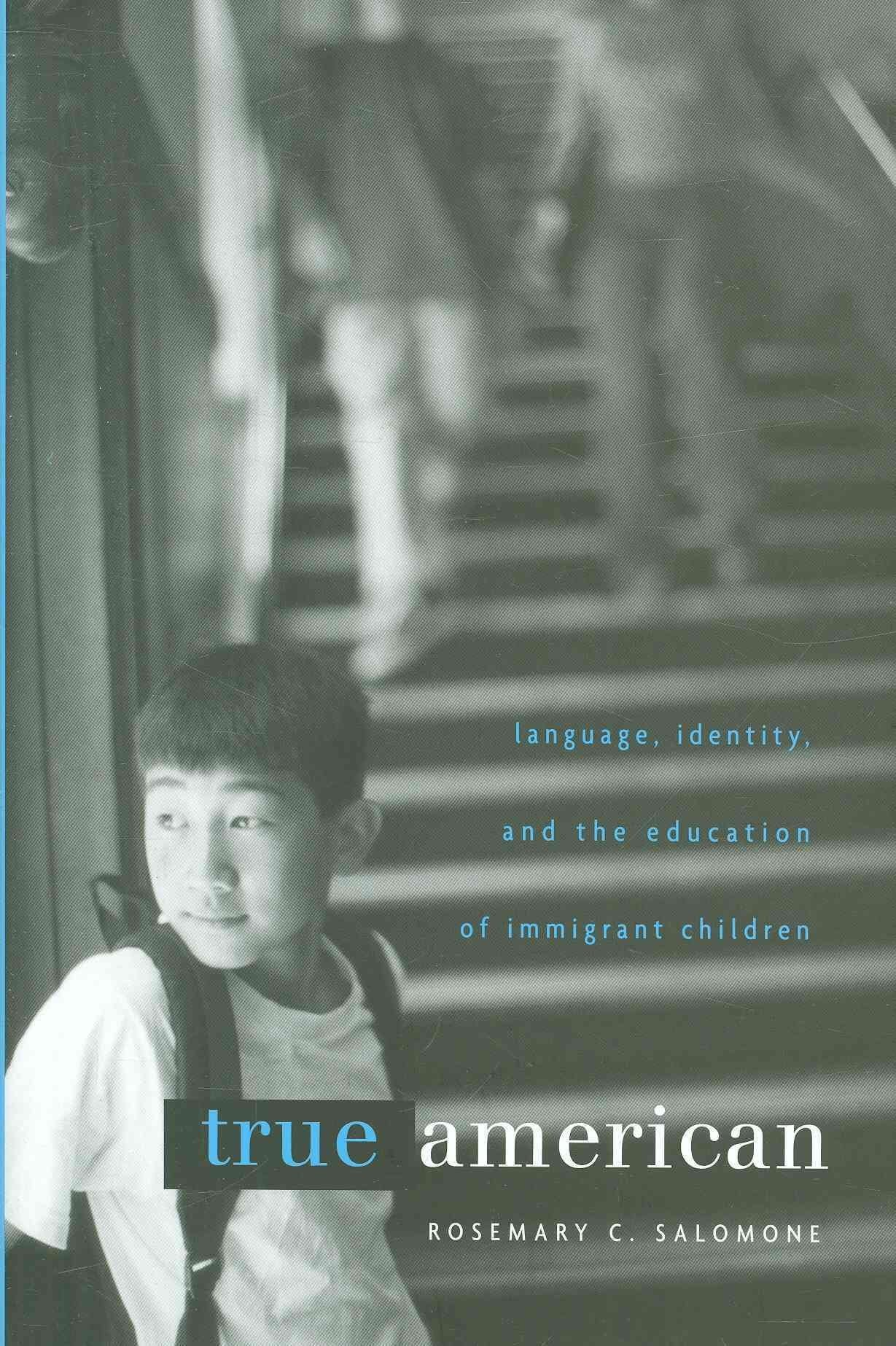
How can schools meet the needs of an increasingly diverse population of newcomers? Do bilingual programs help children transition into American life, or do they keep them in a linguistic ghetto? Are immigrants who maintain their native language uninterested in being American, or are they committed to changing what it means to be American?In this ambitious book, Rosemary Salomone uses the heated debate over how best to educate immigrant children as a way to explore what national identity means in an age of globalization, transnationalism, and dual citizenship. She demolishes popular mythsthat bilingualism impedes academic success, that English is under threat in contemporary America, that immigrants are reluctant to learn English, or that the ancestors of todays assimilated Americans had all to gain and nothing to lose in abandoning their family language.She lucidly reveals the littleknown legislative history of bilingual education, its dizzying range of meanings in different schools, districts, and states, and the difficulty in proving or disproving whether it worksor defining it as a legal right.In eyeopening comparisons, Salomone suggests that the simultaneous spread of English and the push toward multilingualism in western Europe offer economic and political advantages from which the U.S. could learn. She argues eloquently that multilingualism can and should be part of a meaningful education and responsible national citizenship in a globalized world.
⚠️ WARNING (California Proposition 65):
This product may contain chemicals known to the State of California to cause cancer,
birth defects, or other reproductive harm.
For MAP (Minimum Advertised Price) violations and Intellectual Property (IP) or Trademark concerns, please contact:
support@ergodebooks.com
⚠️ California Proposition 65 Warning: Some products sold on this website may expose you to chemicals known to the State of California to cause cancer, birth defects, or other reproductive harm. For more information, visit www.P65Warnings.ca.gov.