
Title
Trusting Enemies,Used
Sold by Ergodebooks, an authorized reseller.
Returns accepted within 30 days | support@ergodebooks.com
Shipping Information
- Free Standard Shipping — United States only
- Processing Time: 3–5 business days
- Estimated Delivery: 6–10 business days after dispatch
- Double-boxed, fully insured & discreetly packaged
- Tracking number sent via email once dispatched
Returns & Refund
Returns accepted within 30 days of delivery.
Damaged or Defective Item
Free return shipping + replacement or full refund
Wrong Item Received
Free return shipping + replacement or full refund
Change of Mind
Return shipping at customer's expense · 25% restocking fee applies
Payment Option

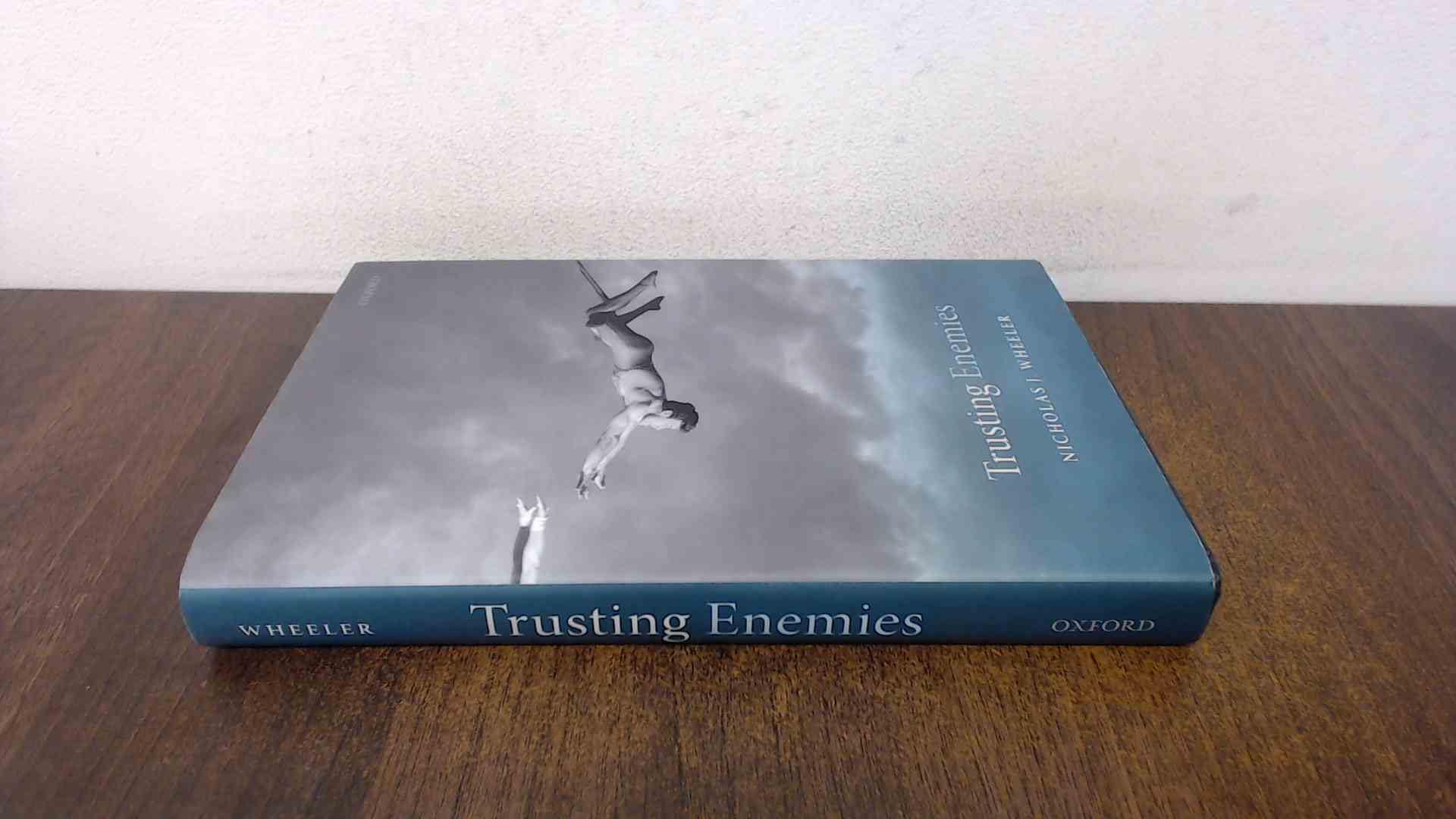
How can two enemies transform their relationship into a cooperative one? The starting point for this book is that the discipline of International Relations has not done a good job of answering this question, and the reason for this is that the concept of trust and the possibility of building new trusting relationships between enemies has been marginalized by the discipline. The author argues that to understand how enemies cooperate, we need to focus on the potential for building trusting relationships between state leaders. The book argues that it is forging personal relationships of trust across the enemy divide that hold out the best chance of breaking down the 'enemy images' that fuel security competition.Previous theorizing about trustbuilding in the discipline of International Relations has focused on the state and individual levels. Nicholas Wheeler argues for a new level of analysis the interpersonal level and shows how the building of trust between leaders changes the possibilities for cooperation between states. He shows how the process of interpersonal bonding between two leaders especially through facetoface diplomacy can lead to what he calls a 'leaptotrust'. He develops his argument through three detailed case studies: the interaction between US and Soviet leaders Ronald Reagan and Mikhail Gorbachev; the relationship between Indian prime minister Atal Bihari Vajpayee and his Pakistani counterpart Nawaz Sharif in the context of the Lahore peace process; and the failed attempts by Barack Obama to build a trusting relationship with Iran's Ayatollah Ali Khamenei.The book represents the most authoritative assessment to date of trust research in International Relations and it develops a theory that explains how interpersonal trusting relationships become possible at the highest levels of diplomacy; relationships that in transforming enemy images reconstitute the possibilities of state action in conflict situations.
⚠️ WARNING (California Proposition 65):
This product may contain chemicals known to the State of California to cause cancer, birth defects, or other reproductive harm.
For more information, please visit www.P65Warnings.ca.gov.