If you have any questions, you are always welcome to contact us. We'll get back to you as soon as possible, withing 24 hours on weekdays.
Customer service
All questions about your order, return and delivery must be sent to our customer service team by e-mail at yourstore@yourdomain.com
Sale & Press
If you are interested in selling our products, need more information about our brand or wish to make a collaboration, please contact us at press@yourdomain.com
Help
If you have any questions, you are always welcome to contact us. We'll get back to you as soon as possible, withing 24 hours on weekdays.
Customer service
All questions about your order, return and delivery must be sent to our customer service team by e-mail at yourstore@yourdomain.com
Sale & Press
If you are interested in selling our products, need more information about our brand or wish to make a collaboration, please contact us at press@yourdomain.com
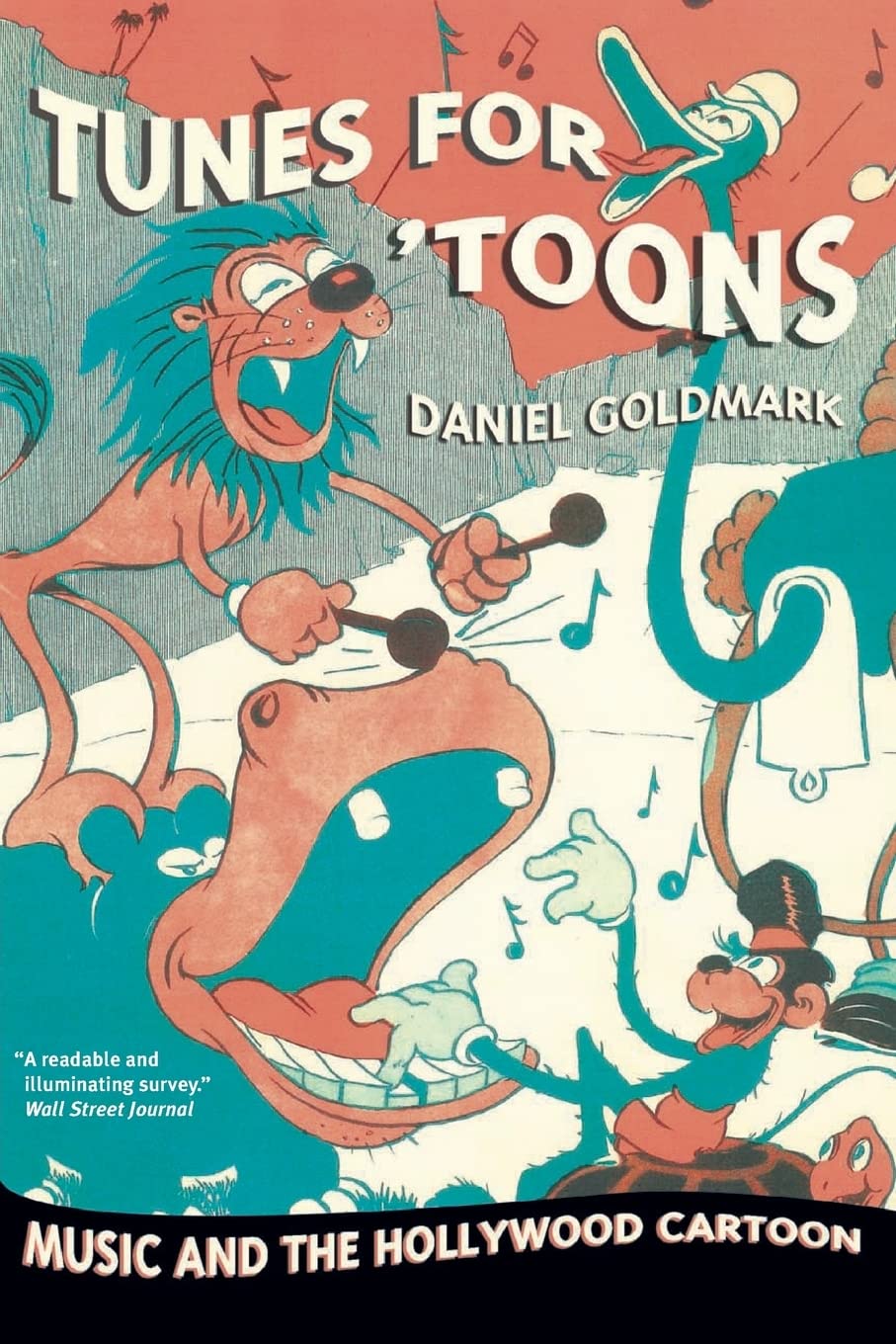
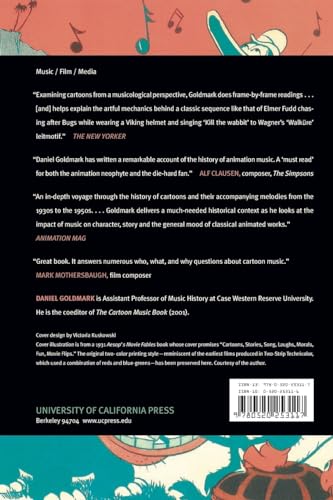
In the first indepth examination of music written for Hollywood animated cartoons of the 1930s through the 1950s, Daniel Goldmark provides a brilliant account of the enormous creative effort that went into setting cartoons to music and shows how this effort shaped the characters and stories that have become embedded in American culture. Focusing on classical music, opera, and jazz, Goldmark considers the genre and compositional style of cartoons produced by major Hollywood animation studios, including Warner Bros., MGM, Lantz, and the Fleischers. Tunes for 'Toons discusses several wellknown cartoons in detail, including What's Opera, Doc?, the 1957 Warner Bros. parody of Wagner and opera that is one of the most popular cartoons ever created.Goldmark pays particular attention to the work of Carl Stalling and Scott Bradley, arguably the two most influential composers of music for theatrical cartoons. Though their musical backgrounds and approaches to scoring differed greatly, Stalling and Bradley together established a unique sound for animated comedies that has not changed in more than seventy years. Using a rich range of sources including cue sheets, scores, informal interviews, and articles from hardtofind journals, the author evaluates how music works in an animated universe. Reminding readers of the larger context in which films are produced and viewed, this book looks at how studios employed culturally charged music to inspire their stories and explores the degree to which composers integrated stylistic elements of jazz and the classics into their scores.
⚠️ WARNING (California Proposition 65):
This product may contain chemicals known to the State of California to cause cancer,
birth defects, or other reproductive harm.
For MAP (Minimum Advertised Price) violations and Intellectual Property (IP) or Trademark concerns, please contact:
support@ergodebooks.com
⚠️ California Proposition 65 Warning: Some products sold on this website may expose you to chemicals known to the State of California to cause cancer, birth defects, or other reproductive harm. For more information, visit www.P65Warnings.ca.gov.