
Title


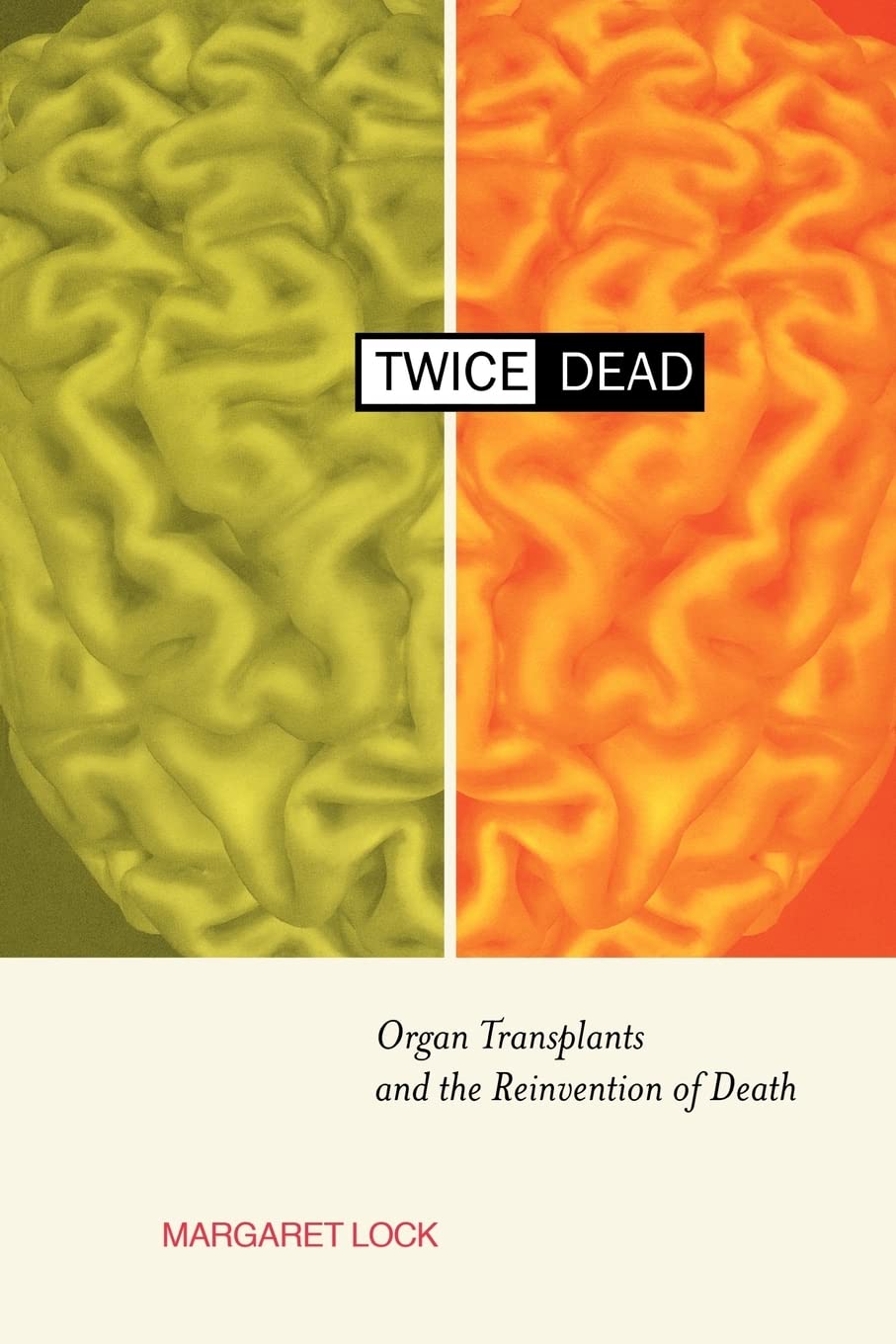
Twice Dead: Organ Transplants And The Reinvention Of Death (California Series In Public Anthropology, Vol. 1) (Volume 1),New
Sold by Ergodebooks, an authorized reseller.
Returns accepted within 30 days | support@ergodebooks.com
Shipping Information
- Free Standard Shipping — United States only
- Processing Time: 3–5 business days
- Estimated Delivery: 6–10 business days after dispatch
- Double-boxed, fully insured & discreetly packaged
- Tracking number sent via email once dispatched
Returns & Refund
Returns accepted within 30 days of delivery.
Damaged or Defective Item
Free return shipping + replacement or full refund
Wrong Item Received
Free return shipping + replacement or full refund
Change of Mind
Return shipping at customer's expense · 25% restocking fee applies
Payment Option

Tales About Organ Transplants Appear In Mythology And Folk Stories, And Surface In Documents From Medieval Times, But Only During The Past Twenty Years Has Medical Knowledge And Technology Been Sufficiently Advanced For Surgeons To Perform Thousands Of Transplants Each Year. In The Majority Of Cases Individuals Diagnosed As 'Brain Dead' Are The Source Of The Organs Without Which Transplants Could Not Take Place. In This Compelling And Provocative Examination, Margaret Lock Traces The Discourse Over The Past Thirty Years That Contributed To The Locating Of A New Criterion Of Death In The Brain, And Its Routinization In Clinical Practice In North America. She Compares This Situation With That In Japan Where, Despite The Availability Of The Necessary Technology And Expertise, Brain Death Was Legally Recognized Only In 1997, And Then Under Limited And Contested Circumstances. Twice Dead Explores The Cultural, Historical, Political, And Clinical Reasons For The Ready Acceptance Of The New Criterion Of Death In North America And Its Rejection, Until Recently, In Japan, With The Result That Organ Transplantation Has Been Severely Restricted In That Country. This Incisive And Timely Discussion Demonstrates That Death Is Not Selfevident, That The Space Between Life And Death Is Historically And Culturally Constructed, Fluid, Multiple, And Open To Dispute.In Addition To An Analysis Of That Professional Literature On And Popular Representations Of The Subject, Lock Draws On Extensive Interviews Conducted Over Ten Years With Physicians Working In Intensive Care Units, Transplant Surgeons, Organ Recipients, Donor Families, Members Of The General Public In Both Japan And North America, And Political Activists In Japan Opposed To The Recognition Of Brain Death. By Showing That Death Can Never Be Understood Merely As A Biological Event, And That Cultural, Medical, Legal, And Political Dimensions Are Inevitably Implicated In The Invention Of Brain Death, Twice Dead Confronts One Of The Most Troubling Questions Of Our Era.
⚠️ WARNING (California Proposition 65):
This product may contain chemicals known to the State of California to cause cancer, birth defects, or other reproductive harm.
For more information, please visit www.P65Warnings.ca.gov.