If you have any questions, you are always welcome to contact us. We'll get back to you as soon as possible, withing 24 hours on weekdays.
Customer service
All questions about your order, return and delivery must be sent to our customer service team by e-mail at yourstore@yourdomain.com
Sale & Press
If you are interested in selling our products, need more information about our brand or wish to make a collaboration, please contact us at press@yourdomain.com
Help
If you have any questions, you are always welcome to contact us. We'll get back to you as soon as possible, withing 24 hours on weekdays.
Customer service
All questions about your order, return and delivery must be sent to our customer service team by e-mail at yourstore@yourdomain.com
Sale & Press
If you are interested in selling our products, need more information about our brand or wish to make a collaboration, please contact us at press@yourdomain.com
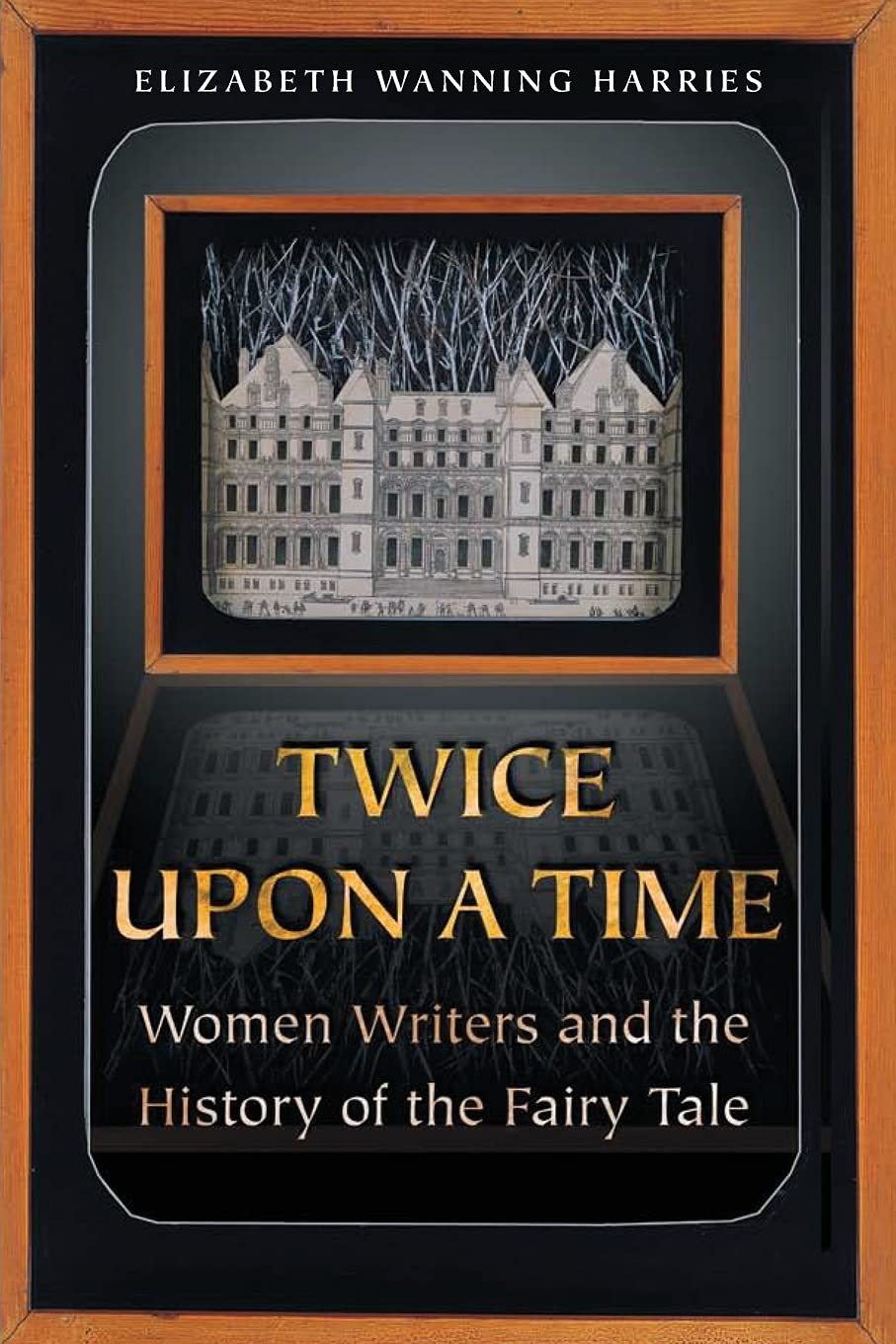
Fairy tales, often said to be ''timeless'' and fundamentally ''oral,'' have a long written history. However, argues Elizabeth Wanning Harries in this provocative book, a vital part of this history has fallen by the wayside. The short, subtly didactic fairy tales of Charles Perrault and the Grimms have determined our notions about what fairy tales should be like. Harries argues that alongside these ''compact'' tales there exists another, ''complex'' tradition: tales written in France by the conteuses (storytelling women) in the 1690s and the latetwentiethcentury tales by women writers that derive in part from this centuriesold tradition.Grounded firmly in social history and set in lucid prose, Twice upon a Time refocuses the lens through which we look at fairy tales. The conteuses saw their tales as amusements for sophisticated adults in the salon, not for children. Selfreferential, frequently parodic, and set in elaborate frames, their works often criticize the social expectations that determined the lives of women at the court of Louis XIV.After examining the evolution of the ''AngloAmerican'' fairy tale and its place in this variegated history, Harries devotes the rest of her book to recent women writersA. S. Byatt, Anne Sexton, Angela Carter, and Emma Donoghue among themwho have returned to fairytale motifs so as to challenge modernday gender expectations. Latetwentiethcentury tales, like the conteuses', force us to rethink our conception of fairy tales and of their history.
⚠️ WARNING (California Proposition 65):
This product may contain chemicals known to the State of California to cause cancer,
birth defects, or other reproductive harm.
For MAP (Minimum Advertised Price) violations and Intellectual Property (IP) or Trademark concerns, please contact:
support@ergodebooks.com
⚠️ California Proposition 65 Warning: Some products sold on this website may expose you to chemicals known to the State of California to cause cancer, birth defects, or other reproductive harm. For more information, visit www.P65Warnings.ca.gov.