
Title
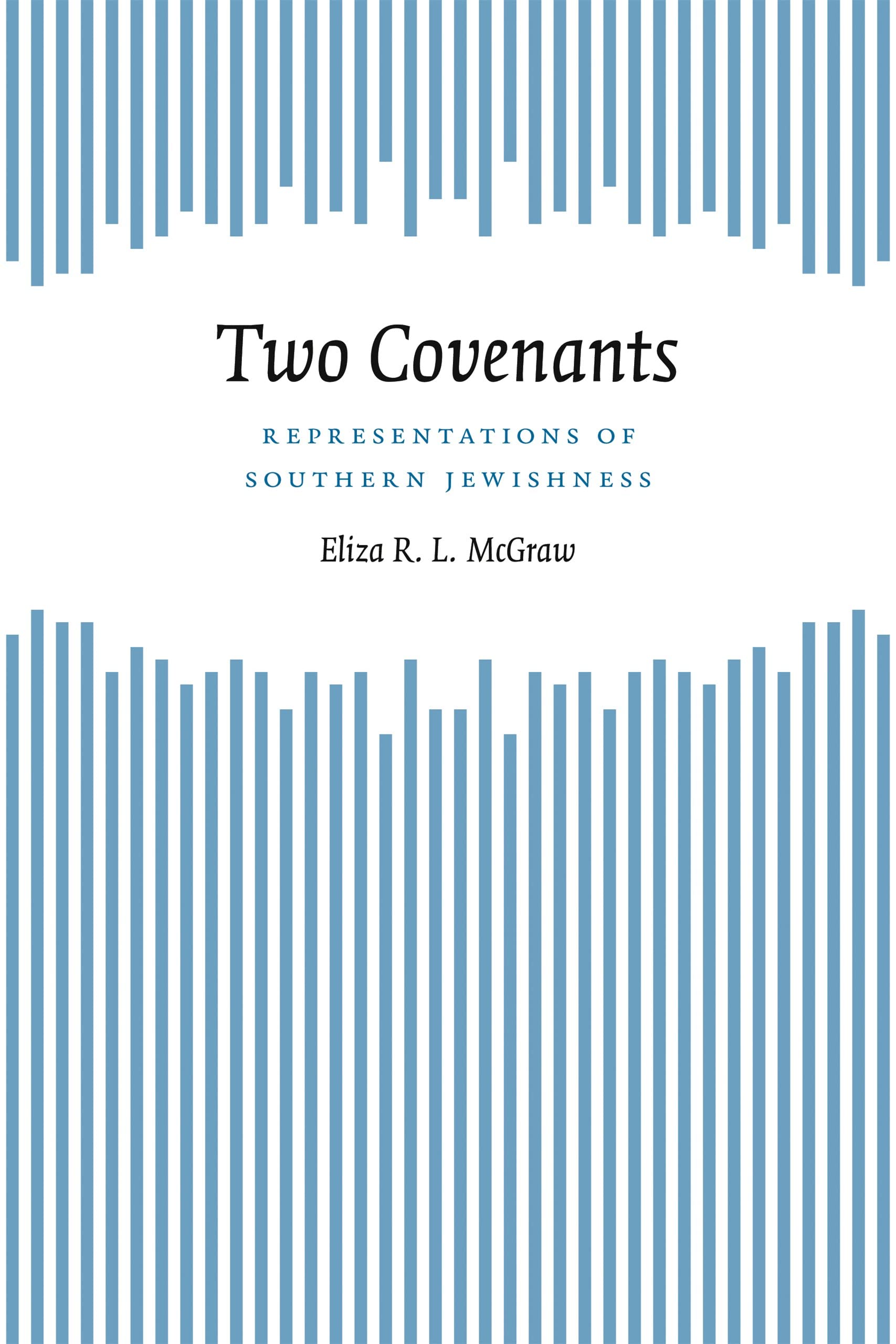
Two Covenants: Representations Of Southern Jewishness (Southern Literary Studies),Used
Sold by Ergodebooks, an authorized reseller.
Returns accepted within 30 days | support@ergodebooks.com
Shipping Information
- Free Standard Shipping — United States only
- Processing Time: 3–5 business days
- Estimated Delivery: 6–10 business days after dispatch
- Double-boxed, fully insured & discreetly packaged
- Tracking number sent via email once dispatched
Returns & Refund
Returns accepted within 30 days of delivery.
Damaged or Defective Item
Free return shipping + replacement or full refund
Wrong Item Received
Free return shipping + replacement or full refund
Change of Mind
Return shipping at customer's expense · 25% restocking fee applies
Payment Option

Jews have long occupied visible roles in the South. Jewish families have owned establishments ranging from drygoods stores to Thomas Jefferson's Monticello, and some of the region's most important writers and scholars have been Jewish. Yet surveys of southern culture rarely assess the contributions of Jews, while histories of Jews in America virtually exclude those living in the South. Eliza R. L. McGraw's multifaceted study fills both gaps and in doing so expands how we define the South.In Two Covenants, McGraw mines eclectic representations of Southern Jewishness as varied as the Carolina Israelite newspaper, the Mardi Gras Krewe du Jieux, southern Baptist conversioninstruction pamphlets, and the film Driving Miss Daisy. She also considers literary representations of southern Jews in the works of both Jewish and nonJewish writers, including Thomas Wolfe, Robert Penn Warren, Walker Percy, Lillian Hellman, David Cohn, Louis Rubin, Jr., Eli Evans, James Weldon Johnson, Jean Toomer, and Charles Chesnutt.While concerned with established concepts such as ethnicity and region, McGraw raises many questions that illustrate the complexity of southern Jewishness. Can one individual straddle two identities? How do race, class, and gender influence southern Jewishness? What are the differences between southern Jews and other southerners, or between southern Jews and other Jews? Does antiSemitism manifest itself differently or with unique effects in the South?In suggesting answers to these and other questions, McGraw ranges widely over the southern cultural landscape and reveals that although southern Jewishness remains a marginal identity due to the small size of its constituency it nevertheless inhabits and helps to form the South at large. The very presence and vitality of southern Jewishness demonstrate that southern identity, like national identity, is a fluid cultural experience.
⚠️ WARNING (California Proposition 65):
This product may contain chemicals known to the State of California to cause cancer, birth defects, or other reproductive harm.
For more information, please visit www.P65Warnings.ca.gov.