
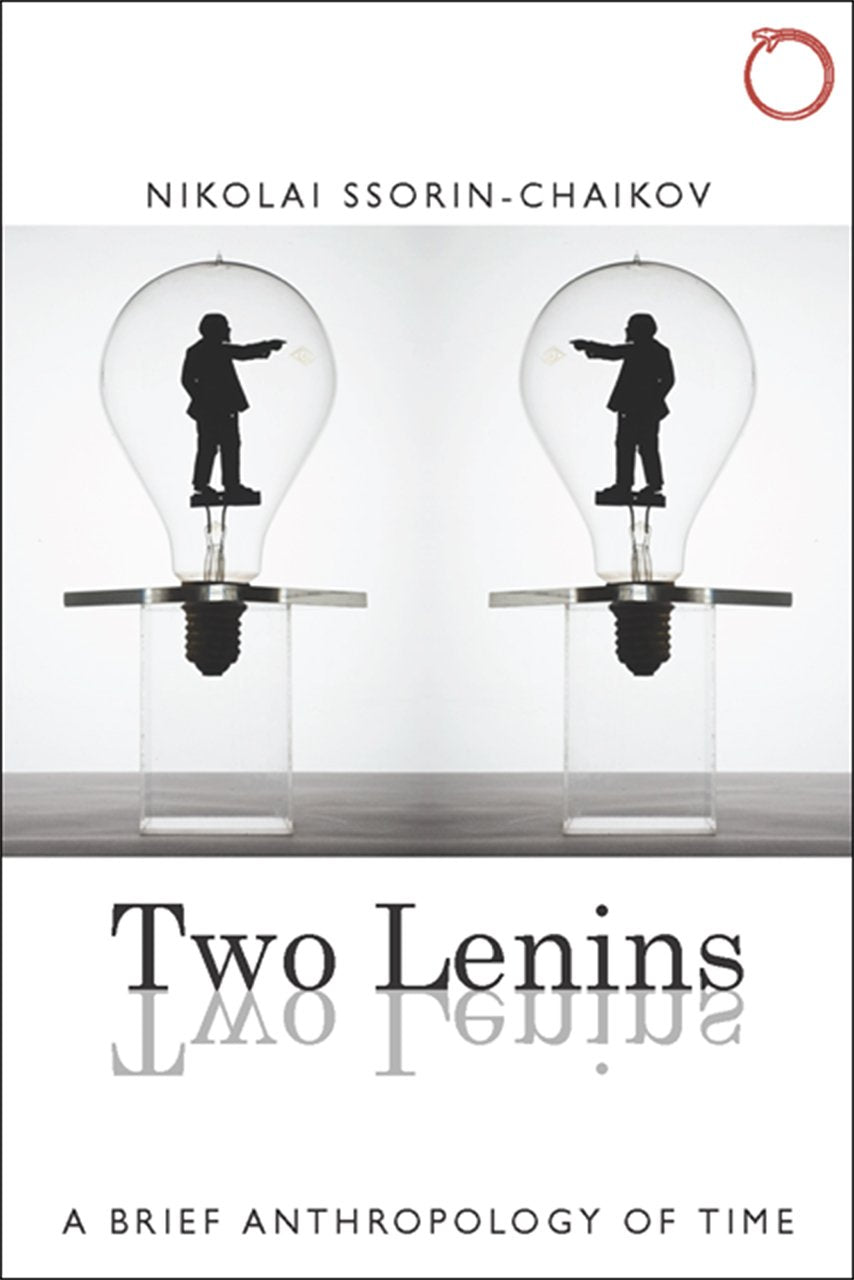
Title
Two Lenins: A Brief Anthropology of Time (Malinowski Monographs),Used
Sold by Ergodebooks, an authorized reseller.
Returns accepted within 30 days | support@ergodebooks.com
Shipping Information
- Free Standard Shipping — United States only
- Processing Time: 3–5 business days
- Estimated Delivery: 6–10 business days after dispatch
- Double-boxed, fully insured & discreetly packaged
- Tracking number sent via email once dispatched
Returns & Refund
Returns accepted within 30 days of delivery.
Damaged or Defective Item
Free return shipping + replacement or full refund
Wrong Item Received
Free return shipping + replacement or full refund
Change of Mind
Return shipping at customer's expense · 25% restocking fee applies
Payment Option

Highly innovative and theoretically incisive, Two Lenins is the first booklength anthropological examination of how social reality can be organized around different yet concurrent ideas of time.Nikolai SsorinChaikov grounds his theoretical exploration in fascinating ethnographic and historical material on two Lenins: the first is the famed Soviet leader of the early twentieth century, and the second is a Siberian Evenki hunternicknamed Leninwho experienced the collapse of the USSR during the 1990s. Through their intertwined stories, SsorinChaikov unveils new dimensions of ethnographic reality by multiplying our notions of time.SsorinChaikov examines Vladimir Lenin at the height of his reign in 1920s Soviet Russia, focusing especially on his relationship with American businessperson Armand Hammer. He casts this scene against the second Leninthe hunter on the far end of the country, in Siberia, at the far end of the century, the 1990s, who is tasked with improvising postsocialism in the economic and political uncertainties of postSoviet transition. Moving from Moscow to Siberia to New York, and traveling form the 1920s to the 1960s to the 1990s, SsorinChaikov takes readers beyond a simple global history or crosstemporal comparison, instead using these two figures to enact an ethnographic study of the very category of time that we use to bridge different historical contexts.
⚠️ WARNING (California Proposition 65):
This product may contain chemicals known to the State of California to cause cancer, birth defects, or other reproductive harm.
For more information, please visit www.P65Warnings.ca.gov.