
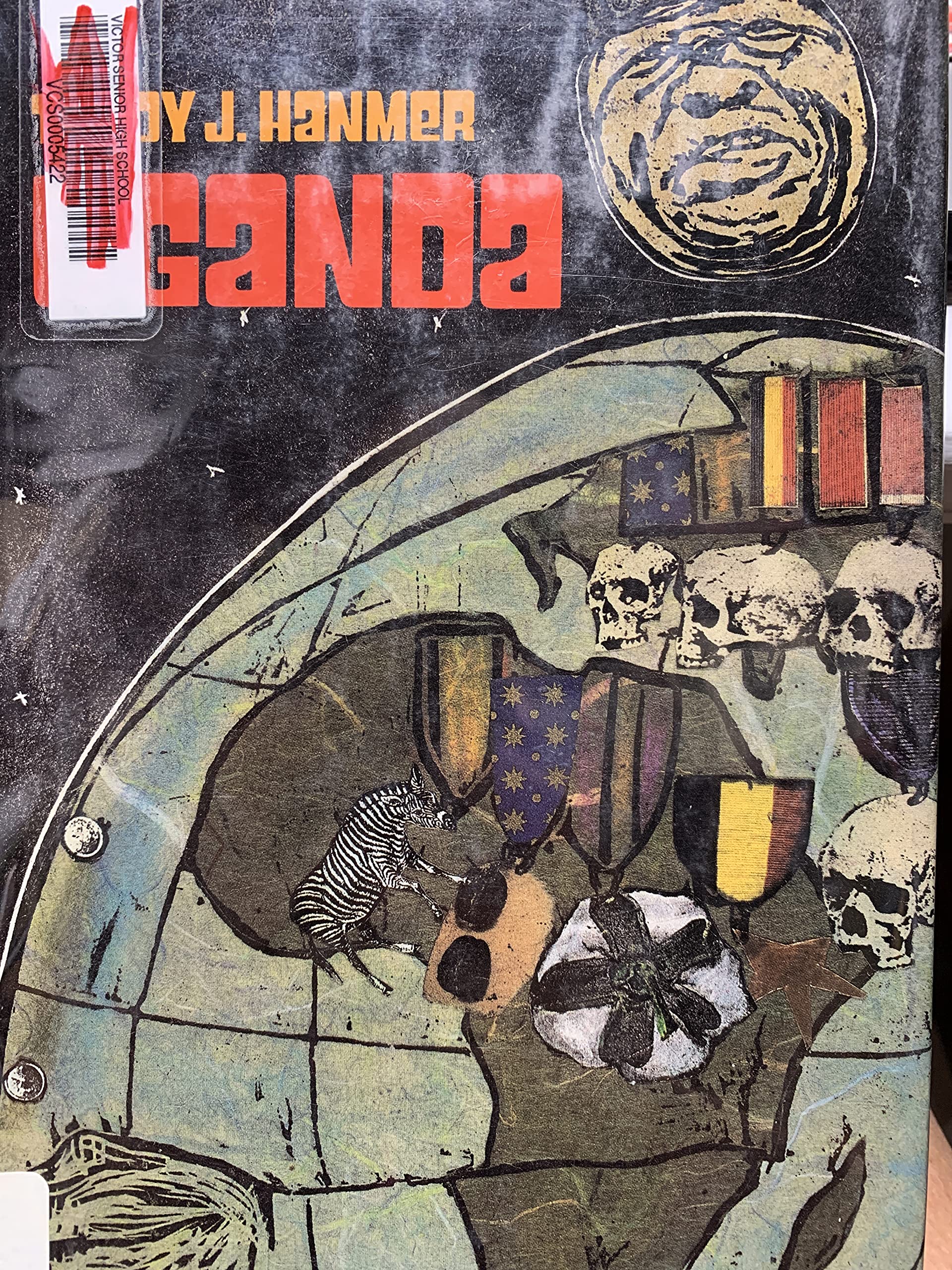
Title
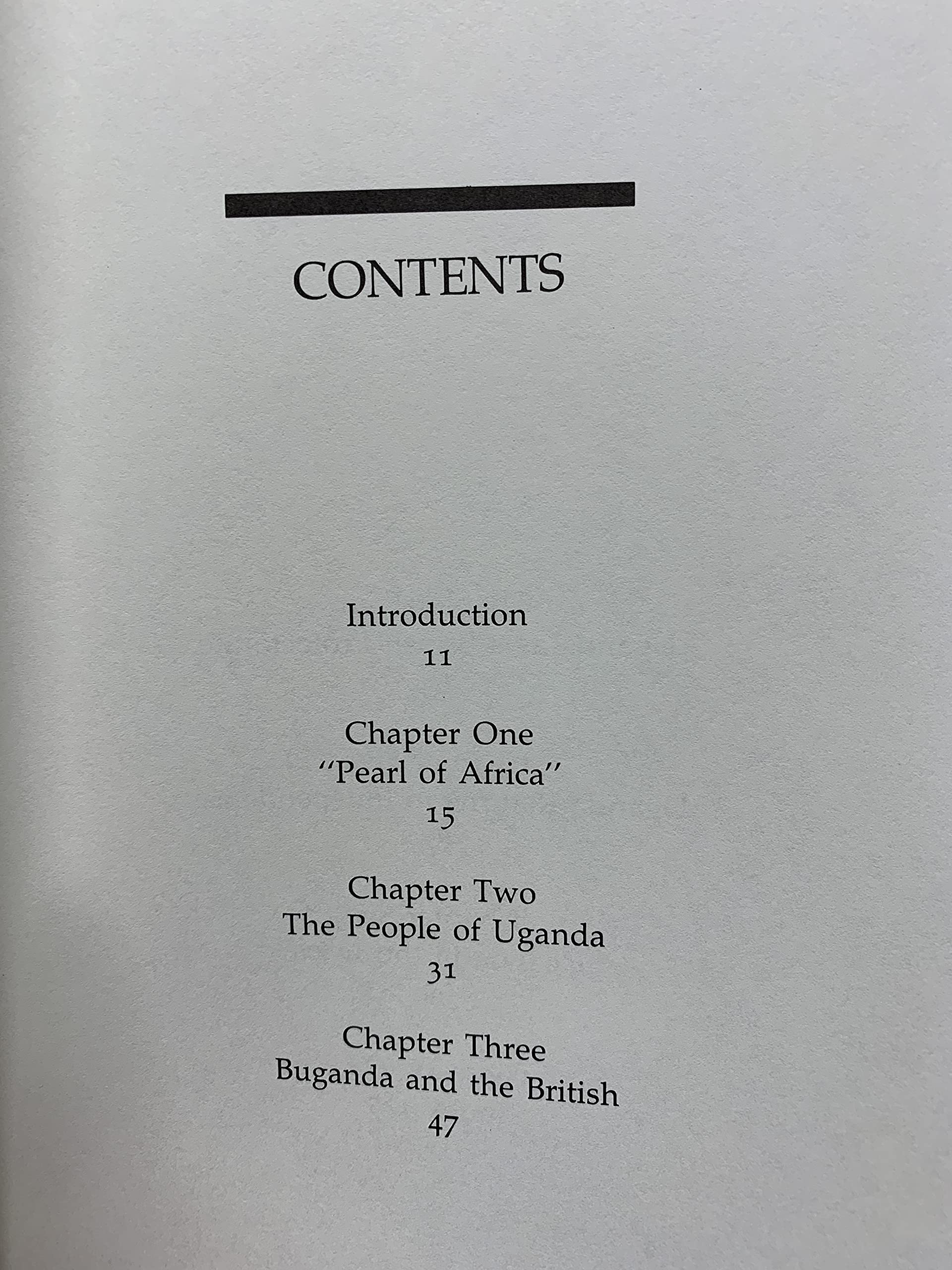

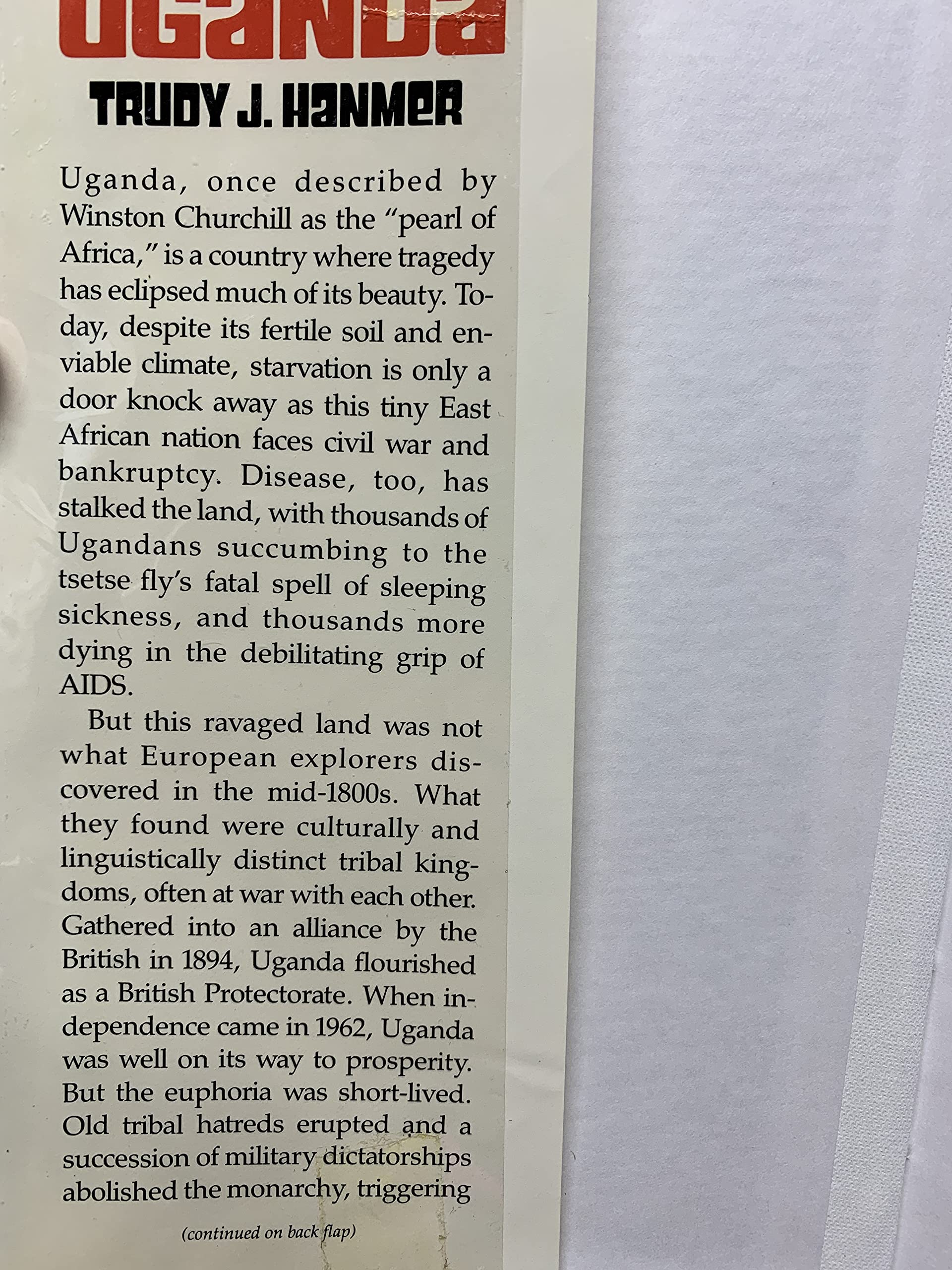
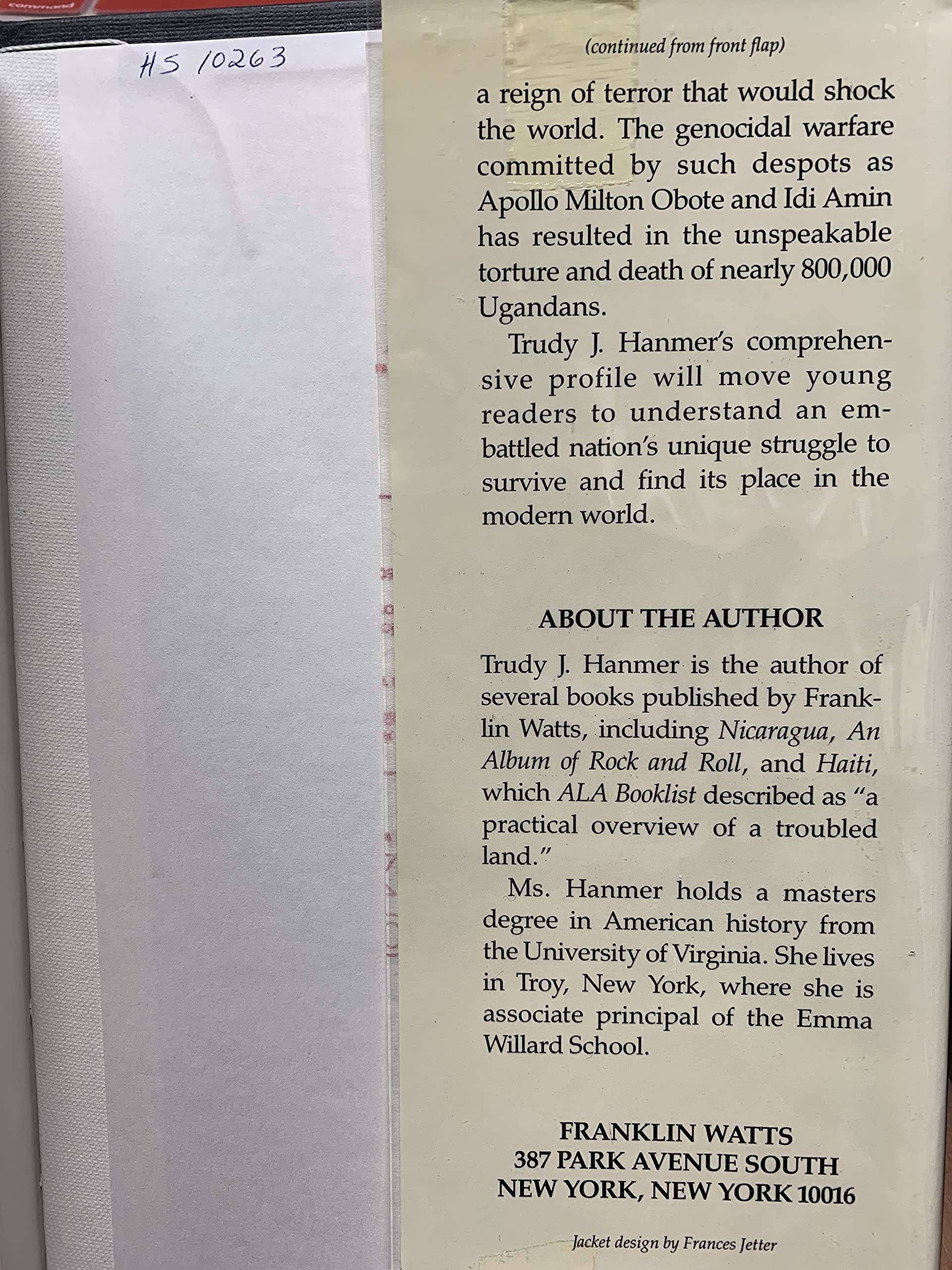
Uganda (Venture Books),Used
Sold by Ergodebooks, an authorized reseller.
Returns accepted within 30 days | support@ergodebooks.com
Shipping Information
- Free Standard Shipping — United States only
- Processing Time: 3–5 business days
- Estimated Delivery: 6–10 business days after dispatch
- Double-boxed, fully insured & discreetly packaged
- Tracking number sent via email once dispatched
Returns & Refund
Returns accepted within 30 days of delivery.
Damaged or Defective Item
Free return shipping + replacement or full refund
Wrong Item Received
Free return shipping + replacement or full refund
Change of Mind
Return shipping at customer's expense · 25% restocking fee applies
Payment Option

Product Description Discusses the history, culture, and people of Uganda, as well as the problems facing the country in the present and the future From School Library Journal Grade 6 Up A sympathetic yet unsparing history of a troubled land. The book opens on a somber note, explaining that despite a favorable climate and agricultural riches, disease and warfare have plagued Uganda from its earliest days. Chapter one describes the geographical characteristics that earned it the nickname "pearl of Africa." Next Hanmer looks at tribal and religious differences; deeply rooted in Uganda's past, these remain divisive even today. Successive chapters examine the colonial period, the years as a British protectorate, Uganda's emergence as a modern economy and independent nation, the brutal reign of Idi Amin, and the political instability since his exile in 1979. The book concludes in 1987 with Museveni in power. Hanmer maintains a balanced perspective. She suggests the complexity of Uganda's situation; its problems are long standing, resistant to easy answers. At times, however, her account contains too much specific detail for what remains an overview. The pages teem with proper names; the narrative crisscrosses and backtracks with such speed that readers are left breathless and sometimes confused. Also, one wonders about the audience for a history rather than the usual history plus social life and customs approach (see Creed's Uganda Chelsea House, 1988). The illustrations, which include blackandwhite photographs, period drawings, and newspaper cartoons, add considerably to the book's merit. Ellen D. Warwick, Robbins Library, Arlington, MACopyright 1989 Reed Business Information, Inc.
⚠️ WARNING (California Proposition 65):
This product may contain chemicals known to the State of California to cause cancer, birth defects, or other reproductive harm.
For more information, please visit www.P65Warnings.ca.gov.