
Title
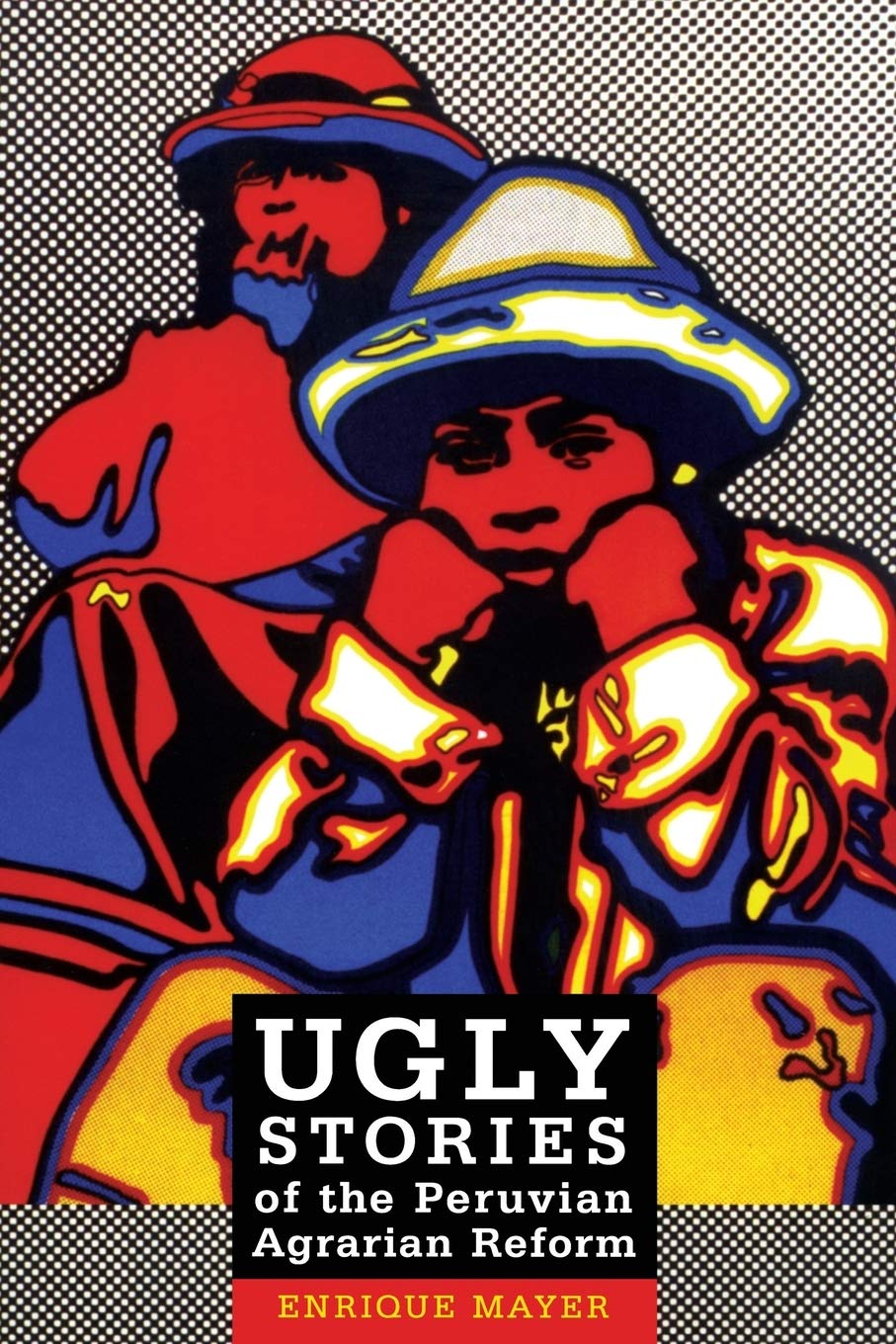
Ugly Stories of the Peruvian Agrarian Reform (Latin America Otherwise),Used
Sold by Ergodebooks, an authorized reseller.
Returns accepted within 30 days | support@ergodebooks.com
Shipping Information
- Free Standard Shipping — United States only
- Processing Time: 3–5 business days
- Estimated Delivery: 6–10 business days after dispatch
- Double-boxed, fully insured & discreetly packaged
- Tracking number sent via email once dispatched
Returns & Refund
Returns accepted within 30 days of delivery.
Damaged or Defective Item
Free return shipping + replacement or full refund
Wrong Item Received
Free return shipping + replacement or full refund
Change of Mind
Return shipping at customer's expense · 25% restocking fee applies
Payment Option

Ugly Stories of the Peruvian Agrarian Reform reveals the human drama behind the radical agrarian reform that unfolded in Peru during the final three decades of the twentieth century. That process began in 1969, when the leftleaning military government implemented a drastic program of land expropriation. Seized lands were turned into workermanaged cooperatives. After those cooperatives began to falter and the country returned to civilian rule in the 1980s, members distributed the land among themselves. In 199596, as the agrarian reform process was winding down and neoliberal policies were undoing leftist reforms, the Peruvian anthropologist Enrique Mayer traveled throughout the country, interviewing people who had lived through the most tumultuous years of agrarian reform, recording their memories and their stories. While agrarian reform caused enormous upheaval, controversy, and disappointment, it did succeed in breaking up the unjust and oppressive hacienda system. Mayer contends that the demise of that system is as important as the liberation of slaves in the Americas.Mayer interviewed exlandlords, land expropriators, politicians, government bureaucrats, intellectuals, peasant leaders, activists, ranchers, members of farming families, and others. Weaving their impassioned recollections with his own commentary, he offers a series of dramatic narratives, each one centered around a specific instance of land expropriation, collective enterprise, and disillusion. Although the reform began with high hopes, it was quickly complicated by difficulties including corruption, rural and urban unrest, fights over land, and delays in modernization. As he provides insight into how important historical events are remembered, Mayer reevaluates Perus military government (196979), its audacious agrarian reform program, and what that reform meant to Peruvians from all walks of life.
⚠️ WARNING (California Proposition 65):
This product may contain chemicals known to the State of California to cause cancer, birth defects, or other reproductive harm.
For more information, please visit www.P65Warnings.ca.gov.