
Title
Under the Sign of Hope: Feminist Methodology and Narrative Interpretation (Suny Series, Identities in the Classroom),Used
Sold by Ergodebooks, an authorized reseller.
Returns accepted within 30 days | support@ergodebooks.com
Shipping Information
- Free Standard Shipping — United States only
- Processing Time: 3–5 business days
- Estimated Delivery: 6–10 business days after dispatch
- Double-boxed, fully insured & discreetly packaged
- Tracking number sent via email once dispatched
Returns & Refund
Returns accepted within 30 days of delivery.
Damaged or Defective Item
Free return shipping + replacement or full refund
Wrong Item Received
Free return shipping + replacement or full refund
Change of Mind
Return shipping at customer's expense · 25% restocking fee applies
Payment Option

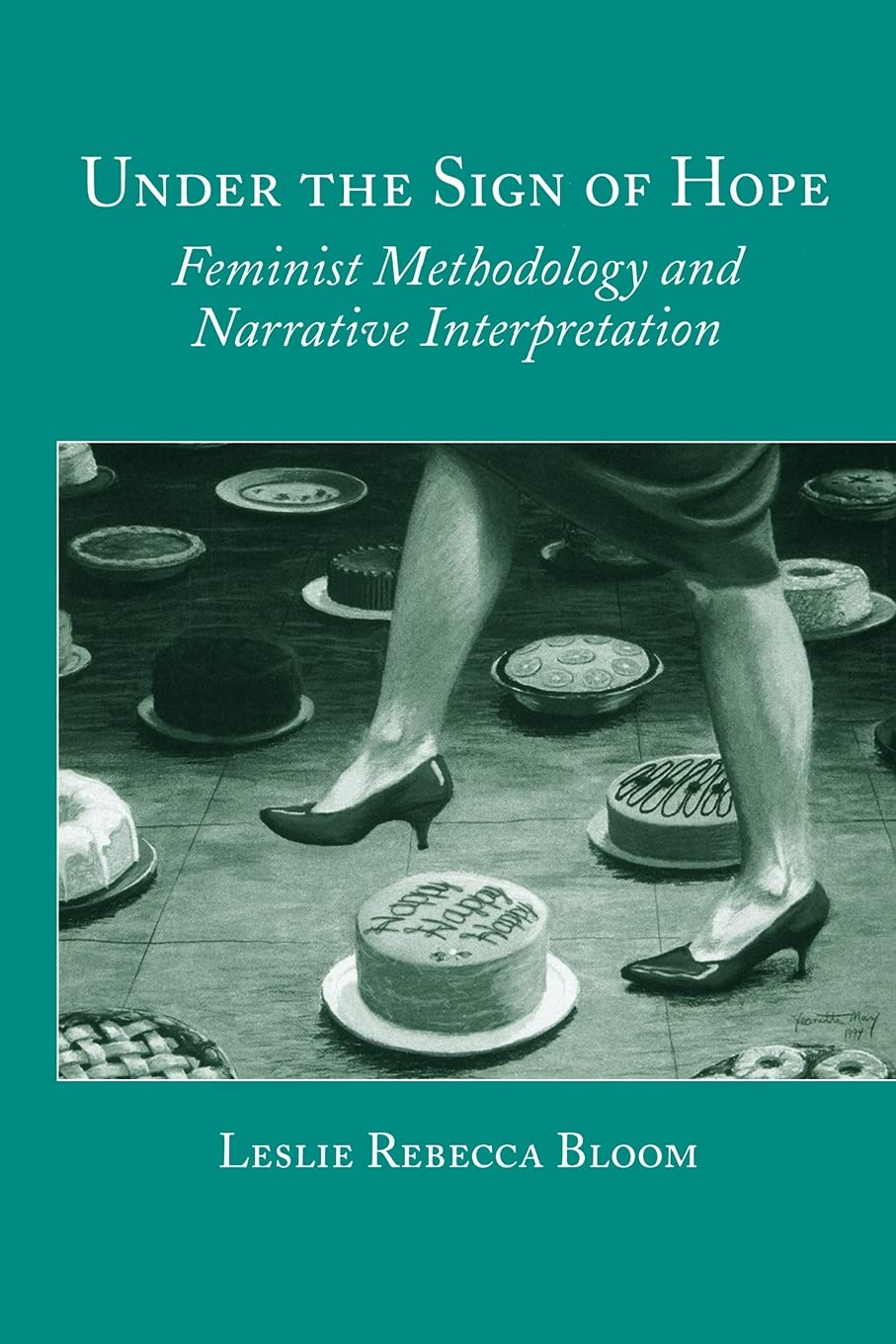
Examines the practices of life history, ethnographic fieldwork, and interpretation of women's narratives, ultimately asserting the importance of selfreflexivity for feminist methodology.'The strength of this book lies in its careful consideration of the tensions feminist methodologies open, the problem of intersubjectivity when subjects are themselves posed as nonunitary (or split between conscious and unconscious desires), and the juxtaposition of theories of methodology that grapple with language and cultural dynamics.' Deborah Britzman, author of Lost Subjects, Contested Objects: Toward a Psychoanalytic Inquiry of LearningUnder the Sign of Hope examines the practices of life history, ethnographic fieldwork, and interpretation of women's narratives, ultimately asserting the importance of selfreflexivity for feminist methodology. Bloom takes the stance that what is critical to research is an ability to analyze the complexities of researcherparticipant relationships and the limitations of narrative interpretation.'I like the ways in which Bloom problematizes popular notions of what constitutes a feminist methodology for narrative and interpretive research. In doing so she does not blithely dismiss such notions, but she exposes contradictions that are both potentially harmful and beneficial depending on context and use. From the workingthrough she develops her own eclectic blend of approaches (theories and methods), and implicitly encourages others to do the same. A theory, after all, is itself a kind of autobiography. I also especially appreciate her attention to women and (auto)biography. Her rereading of theories from ethnographic anthropology, literary criticism, and poststructural 'psychoanalytic' literature through the frames of her experiences interviewing two women has inspired me to explore the territory further myself, and to revisit works that I have ignored for too long. Indeed, I found myself wishing that I had read this book before having completed my own!' Susan Huddleston Edgerton, Western Michigan University
⚠️ WARNING (California Proposition 65):
This product may contain chemicals known to the State of California to cause cancer, birth defects, or other reproductive harm.
For more information, please visit www.P65Warnings.ca.gov.