If you have any questions, you are always welcome to contact us. We'll get back to you as soon as possible, withing 24 hours on weekdays.
Customer service
All questions about your order, return and delivery must be sent to our customer service team by e-mail at yourstore@yourdomain.com
Sale & Press
If you are interested in selling our products, need more information about our brand or wish to make a collaboration, please contact us at press@yourdomain.com
Help
If you have any questions, you are always welcome to contact us. We'll get back to you as soon as possible, withing 24 hours on weekdays.
Customer service
All questions about your order, return and delivery must be sent to our customer service team by e-mail at yourstore@yourdomain.com
Sale & Press
If you are interested in selling our products, need more information about our brand or wish to make a collaboration, please contact us at press@yourdomain.com
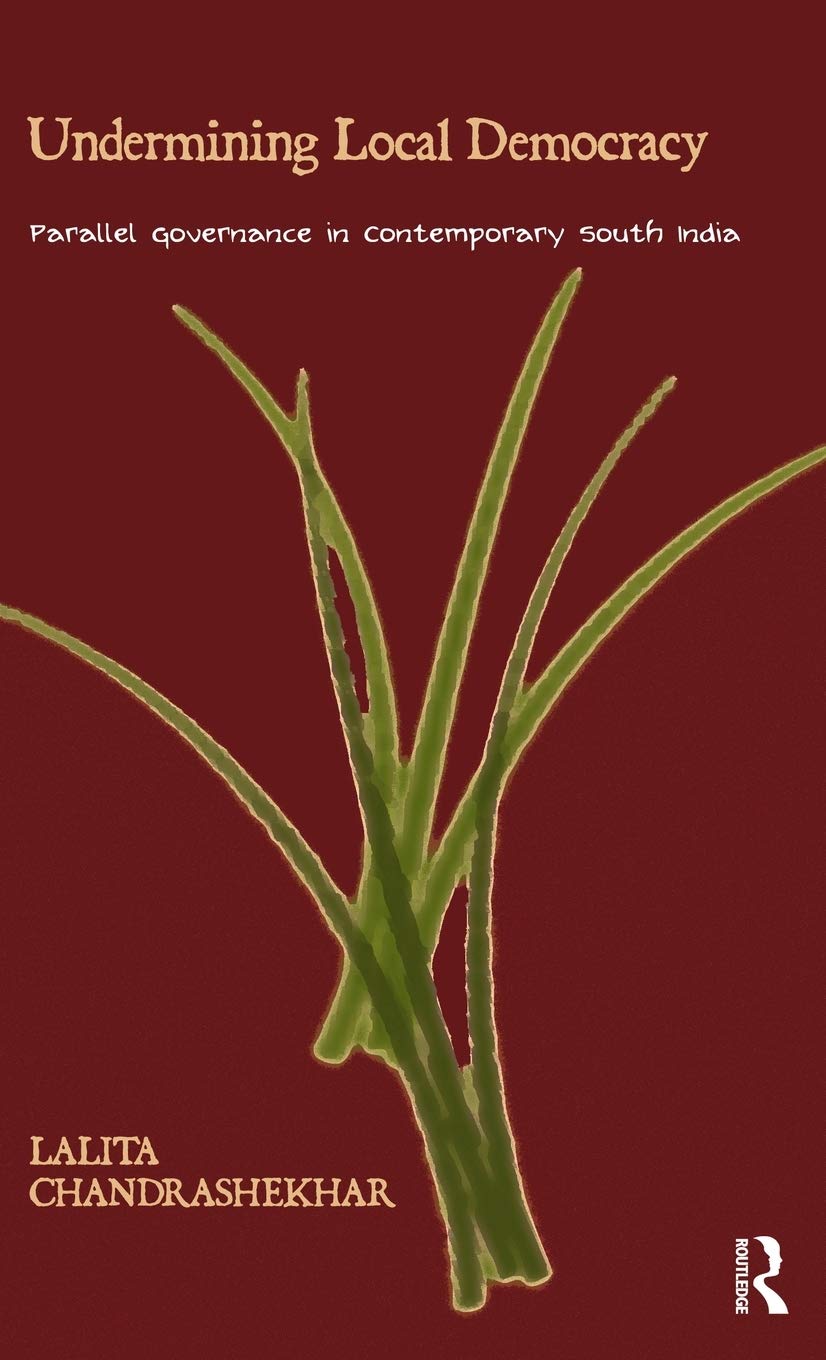
Focusing on Karnataka in India, this study examines the implications of the model of development sought to be introduced in the entire country through the governance reforms of the post1991 period a model that bypasses Panchayat Raj institutions (PRIs), resulting in a majority of the population being left outside the purview of development.These changes in governance resulted in, among other things, the prolific growth of NGOs in the country, particularly in Karnataka. Explaining how communitybased organizations (CBOs) set up by these NGOs have made their way into rural Karnataka, this book expresses concern over how they now perform functions that rightly belong to PRIs following the 73rd Amendment to the Constitution which devolves 29 functions to local selfgovernment, passing on the funds they receive from the centre to their district and village branches, though these should actually go to PRIs.The book argues that elected representatives have been put in place by the people at all levels, and it is they who should take decisions regarding the development of this country. In the postliberalisation period, governance through institutions that eschew political decentralisation is fraught with hazards. Not only will avenues for the expression of peoples wishes be lacking in such a scenario, but there will also be increasing inequality, resulting in a skewed development. The inclusiveness which the present government seeks will elude them unless they restore and strengthen Panchayat Raj institutions.
⚠️ WARNING (California Proposition 65):
This product may contain chemicals known to the State of California to cause cancer,
birth defects, or other reproductive harm.
For MAP (Minimum Advertised Price) violations and Intellectual Property (IP) or Trademark concerns, please contact:
support@ergodebooks.com
⚠️ California Proposition 65 Warning: Some products sold on this website may expose you to chemicals known to the State of California to cause cancer, birth defects, or other reproductive harm. For more information, visit www.P65Warnings.ca.gov.