
Title
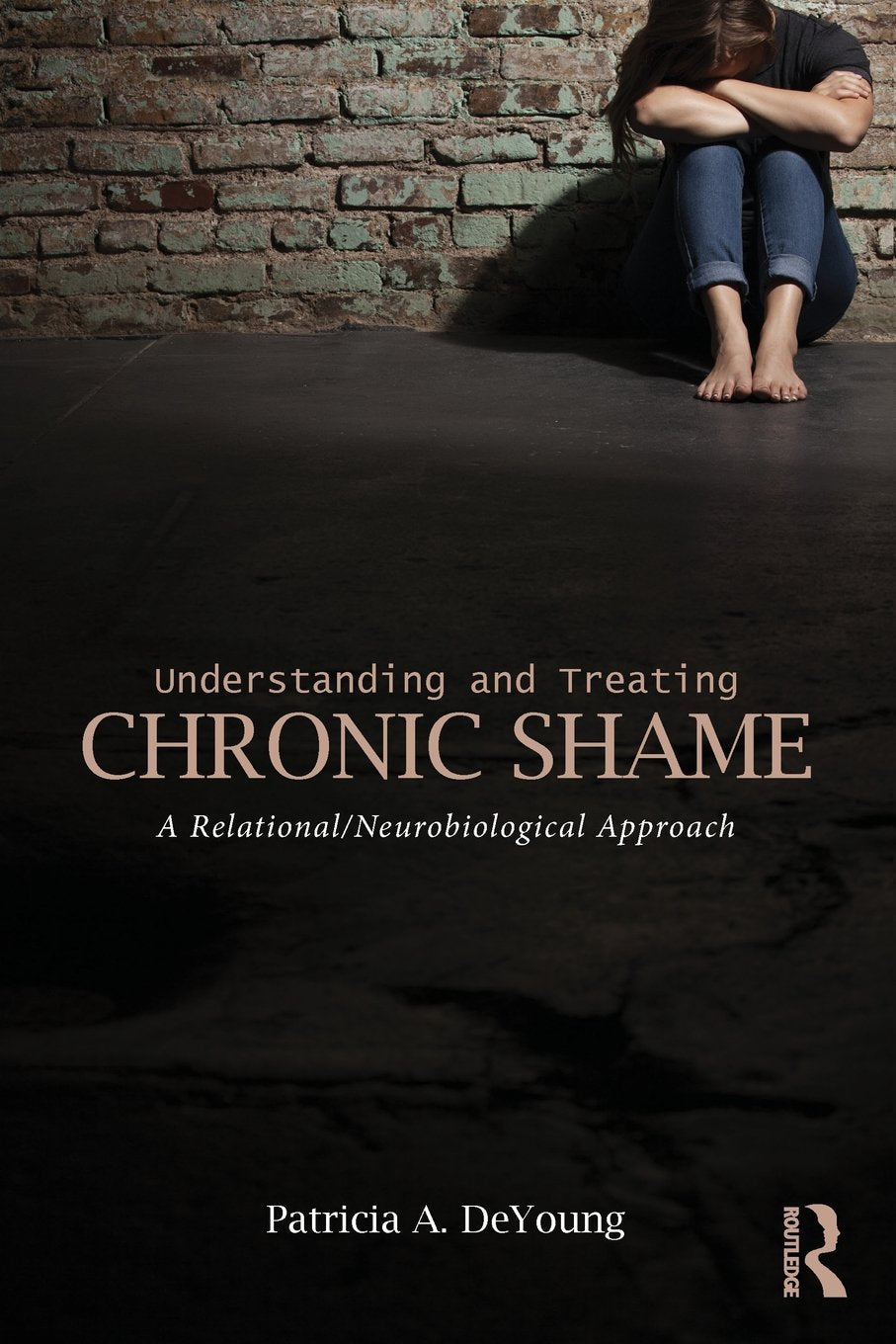
Understanding And Treating Chronic Shame: A Relational/Neurobiological Approach
Sold by Ergodebooks, an authorized reseller.
Returns accepted within 30 days | support@ergodebooks.com
Shipping Information
- Free Standard Shipping — United States only
- Processing Time: 3–5 business days
- Estimated Delivery: 6–10 business days after dispatch
- Double-boxed, fully insured & discreetly packaged
- Tracking number sent via email once dispatched
Returns & Refund
Returns accepted within 30 days of delivery.
Damaged or Defective Item
Free return shipping + replacement or full refund
Wrong Item Received
Free return shipping + replacement or full refund
Change of Mind
Return shipping at customer's expense · 25% restocking fee applies
Payment Option

Chronic Shame Is Painful, Corrosive, And Elusive. It Resists Selfhelp And Undermines Even Intensive Psychoanalysis. Patricia A. Deyoungs Cuttingedge Book Gives Chronic Shame The Serious Attention It Deserves, Integrating New Brain Science With An Inclusive Tradition Of Relational Psychotherapy. She Looks Behind The Myriad Symptoms Of Shame To Its Relational Essence. As Deyoung Describes How Chronic Shame Is Wired Into The Brain And Developed In Personality, She Clarifies Complex Concepts And Makes Them Available For Everyday Therapy Practice.Grounded In Clinical Experience And Alive With Case Examples, Understanding And Treating Chronic Shame Is Highly Readable And Immediately Helpful. Patricia A. Deyoungs Clear, Engaging Writing Helps Readers Recognize The Presence Of Shame In The Therapy Room, Think Through Its Origins And Effects In Their Clients Lives, And Decide How Best To Work With Those Clients. Therapists Will Find That Understanding And Treating Chronic Shame Enhances The Scope Of Their Practice And Efficacy With This Client Group, Which Comprises A Large Part Of Most Therapy Practices. Challenging, Enlightening, And Nourishing, This Book Belongs In The Library Of Every Shameaware Therapist.
⚠️ WARNING (California Proposition 65):
This product may contain chemicals known to the State of California to cause cancer, birth defects, or other reproductive harm.
For more information, please visit www.P65Warnings.ca.gov.
- Q: How many pages does this book have? A: This book has two hundred six pages. It provides an in-depth exploration of chronic shame and its treatment.
- Q: What is the binding type of this book? A: The binding type is paperback. This makes it lightweight and easy to handle for readers.
- Q: What are the dimensions of this book? A: The dimensions are six inches in length, zero point four seven inches in width, and nine point zero two inches in height.
- Q: What is the author’s background? A: The author is Patricia A. DeYoung. She integrates brain science with relational psychotherapy in her writing.
- Q: Is this book suitable for beginners? A: Yes, this book is suitable for beginners. Its clear writing style makes complex concepts accessible to all readers.
- Q: Can therapists use this book in their practice? A: Yes, therapists can effectively use this book in their practice. It enhances understanding and treatment of chronic shame among clients.
- Q: How should I store this book? A: Store this book in a cool, dry place away from direct sunlight. This will help preserve its quality over time.
- Q: Is this book appropriate for young readers? A: No, this book is not recommended for young readers. It addresses complex psychological concepts that are better suited for adults.
- Q: What if I receive a damaged copy? A: If you receive a damaged copy, you should contact customer support for a replacement. Most retailers have return policies for damaged items.
- Q: What is the main focus of this book? A: The main focus is on understanding and treating chronic shame. It combines relational psychotherapy with the latest brain science.
- Q: Are there any case examples in the book? A: Yes, the book includes numerous case examples. These examples illustrate the concepts discussed and enhance reader understanding.
- Q: How does this book help therapists? A: This book helps therapists recognize chronic shame in clients. It provides strategies to address and treat this pervasive issue.
- Q: Is there a glossary of terms in this book? A: No, there is no specific glossary of terms. However, the author explains complex concepts in accessible language throughout the text.
- Q: Does this book discuss brain science? A: Yes, the book discusses brain science. It highlights how chronic shame is wired into the brain and its implications for therapy.
- Q: What type of audience would benefit from this book? A: Mental health professionals and students would benefit from this book. It provides valuable insights into chronic shame and its treatment.
- Q: Is this book part of a series? A: No, this book is not part of a series. It stands alone as a comprehensive guide on chronic shame.