
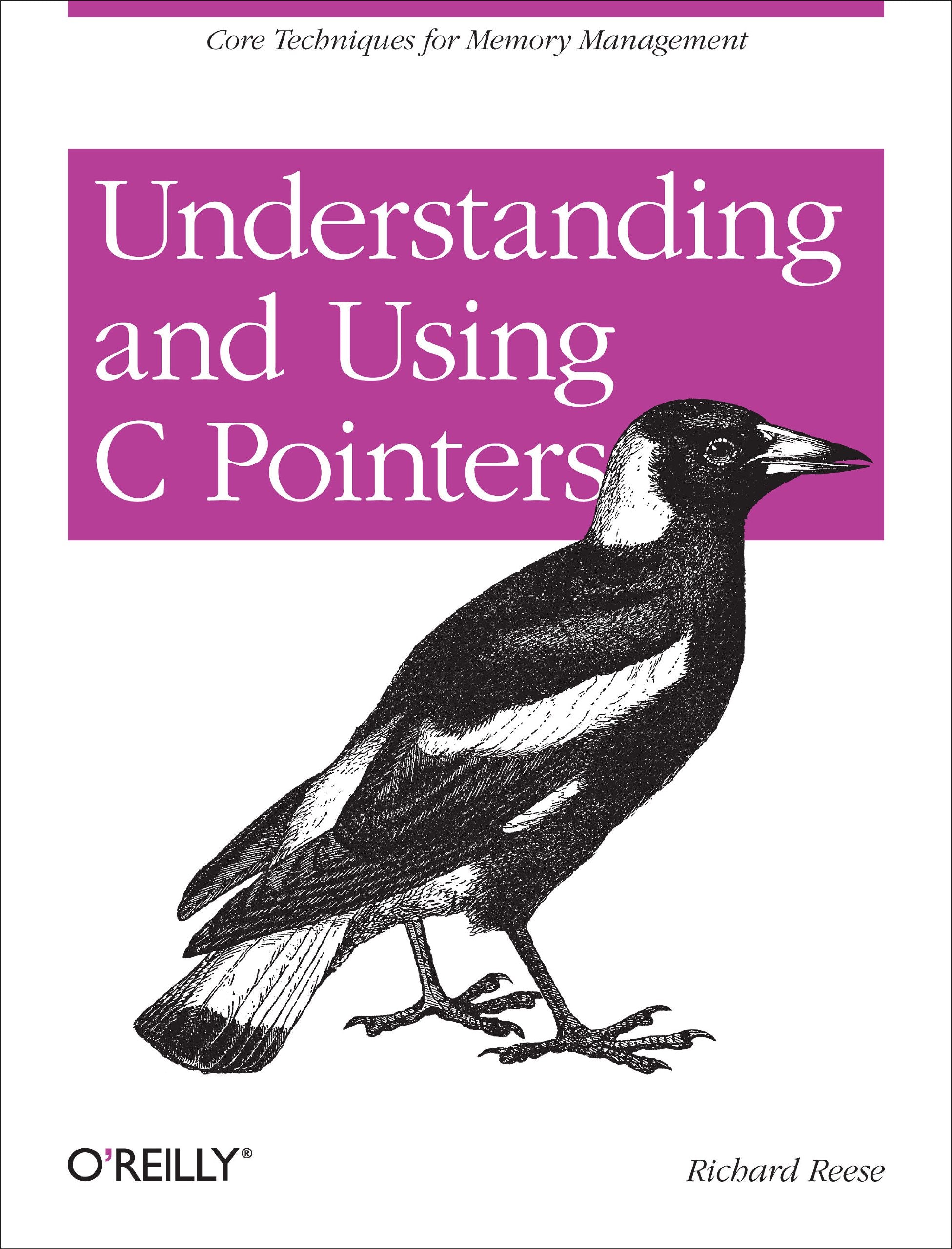
Title
Understanding And Using C Pointers: Core Techniques For Memory Management
Sold by Ergodebooks, an authorized reseller.
Returns accepted within 30 days | support@ergodebooks.com
Shipping Information
- Free Standard Shipping — United States only
- Processing Time: 3–5 business days
- Estimated Delivery: 6–10 business days after dispatch
- Double-boxed, fully insured & discreetly packaged
- Tracking number sent via email once dispatched
Returns & Refund
Returns accepted within 30 days of delivery.
Damaged or Defective Item
Free return shipping + replacement or full refund
Wrong Item Received
Free return shipping + replacement or full refund
Change of Mind
Return shipping at customer's expense · 25% restocking fee applies
Payment Option

Improve Your Programming Through A Solid Understanding Of C Pointers And Memory Management. With This Practical Book, Youll Learn How Pointers Provide The Mechanism To Dynamically Manipulate Memory, Enhance Support For Data Structures, And Enable Access To Hardware. Author Richard Reese Shows You How To Use Pointers With Arrays, Strings, Structures, And Functions, Using Memory Models Throughout The Book.Difficult To Master, Pointers Provide C With Much Flexibility And Poweryet Few Resources Are Dedicated To This Data Type. This Comprehensive Book Has The Information You Need, Whether Youre A Beginner Or An Experienced C Or C++ Programmer Or Developer. Get An Introduction To Pointers, Including The Declaration Of Different Pointer Types Learn About Dynamic Memory Allocation, Deallocation, And Alternative Memory Management Techniques Use Techniques For Passing Or Returning Data To And From Functions Understand The Fundamental Aspects Of Arrays As They Relate To Pointers Explore The Basics Of Strings And How Pointers Are Used To Support Them Examine Why Pointers Can Be The Source Of Security Problems, Such As Buffer Overflow Learn Several Pointer Techniques, Such As The Use Of Opaque Pointers, Bounded Pointers And, The Restrict Keyword
⚠️ WARNING (California Proposition 65):
This product may contain chemicals known to the State of California to cause cancer, birth defects, or other reproductive harm.
For more information, please visit www.P65Warnings.ca.gov.
- Q: What is the total number of pages in this book? A: This book has two hundred twenty-three pages. It covers various aspects of C pointers and memory management.
- Q: What type of binding does this book have? A: This book is a paperback edition. Paperback bindings are flexible and lightweight, making it easy to handle.
- Q: What are the dimensions of this book? A: The book measures seven point zero one inches in length, zero point four eight inches in width, and nine point one nine inches in height.
- Q: Who is the author of this book? A: The author of this book is Richard M. Reese. He is known for his expertise in programming and memory management.
- Q: What topics are covered in this book? A: The book covers topics including pointers, dynamic memory management, and data structures in C. It also explores security issues related to pointers.
- Q: How can I use the concepts from this book? A: You can apply the concepts by implementing memory management techniques in your C programming projects. The book provides practical examples and techniques.
- Q: Is this book suitable for beginners? A: Yes, this book is suitable for beginners as well as experienced programmers. It offers clear explanations and practical examples for all skill levels.
- Q: Can this book help with understanding dynamic memory allocation? A: Yes, it provides in-depth explanations of dynamic memory allocation and de-allocation. Techniques for managing memory effectively are discussed.
- Q: How should I care for this book? A: To keep this book in good condition, store it in a dry place and avoid exposure to direct sunlight. Handle it gently to prevent wear.
- Q: Is this book safe to read for teenagers? A: Yes, the content is appropriate for teenagers interested in programming. It focuses on technical subjects without mature themes.
- Q: What if I receive a damaged copy of this book? A: If you receive a damaged copy, you should contact the seller for a return or exchange. Most sellers have policies for damaged items.
- Q: Does this book provide examples of security issues with pointers? A: Yes, it discusses security issues like buffer overflow related to pointers. Understanding these issues is crucial for safe programming.
- Q: Are there specific techniques for using pointers in this book? A: Yes, the book describes several pointer techniques, including opaque pointers and the use of the restrict keyword. These techniques enhance programming safety.
- Q: What programming languages does this book focus on? A: This book focuses primarily on the C programming language. It is also relevant for C++ programmers due to similarities in pointer usage.
- Q: Can I find advanced topics in this book? A: Yes, it includes advanced topics on memory management techniques suitable for experienced developers. It challenges readers to deepen their understanding.
- Q: Is this book a good resource for software developers? A: Yes, it is an excellent resource for software developers. The insights on memory management are vital for efficient programming practices.