
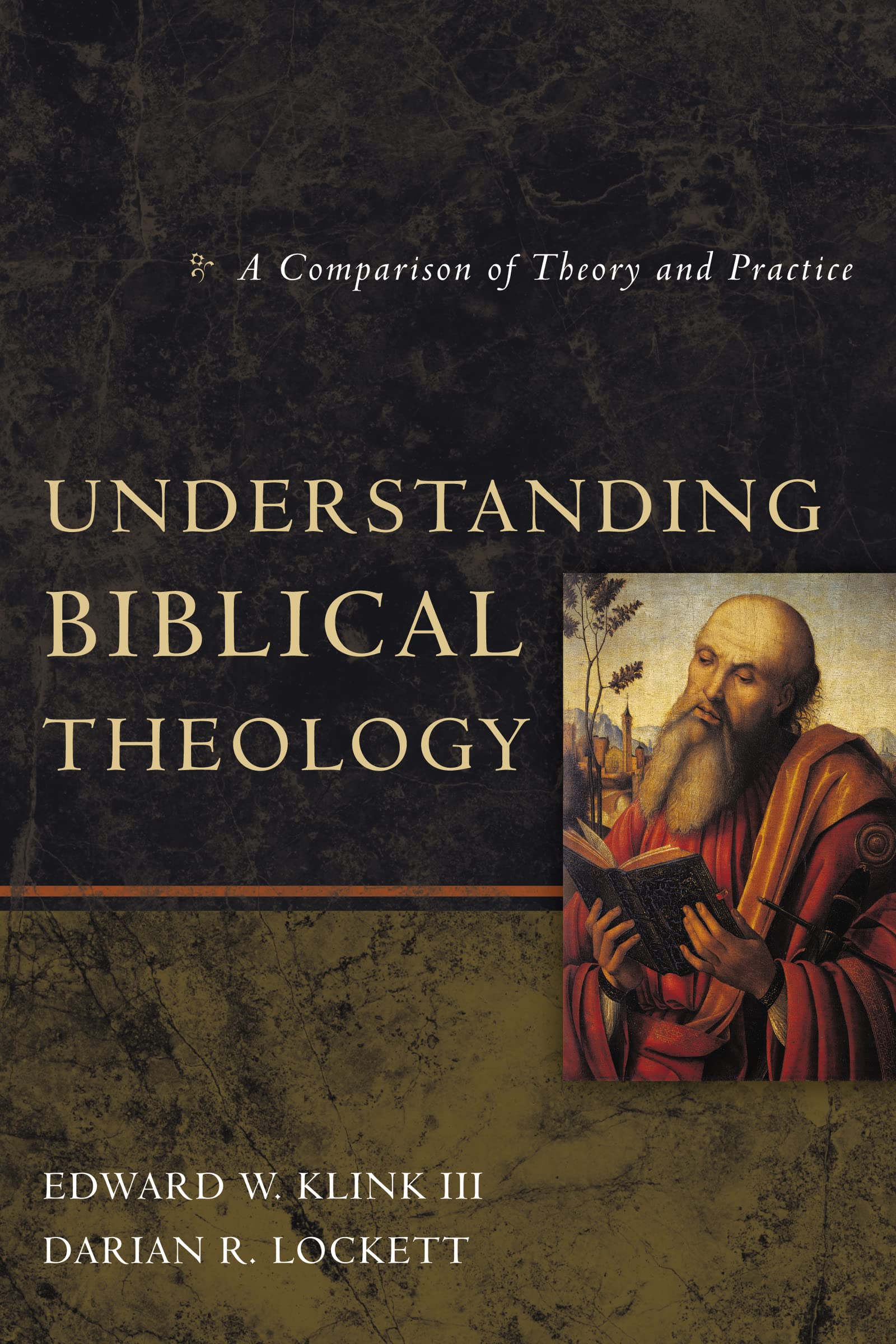
Title
Zondervan Understanding Biblical Theology Book: Theory and Practice Comparison
Sold by Ergodebooks, an authorized reseller.
Returns accepted within 30 days | support@ergodebooks.com
Shipping Information
- Free Standard Shipping — United States only
- Processing Time: 3–5 business days
- Estimated Delivery: 6–10 business days after dispatch
- Double-boxed, fully insured & discreetly packaged
- Tracking number sent via email once dispatched
Returns & Refund
Returns accepted within 30 days of delivery.
Damaged or Defective Item
Free return shipping + replacement or full refund
Wrong Item Received
Free return shipping + replacement or full refund
Change of Mind
Return shipping at customer's expense · 25% restocking fee applies
Payment Option

Understanding Biblical Theology is an essential resource for students, scholars, and anyone interested in the study of biblical theology. This book examines and compares the five major schools of thought regarding biblical theology, bridging the gap between academic pursuits and church studies.
This text provides a comprehensive look at the term "biblical theology," exploring its implications in both historical and theological contexts. Each of the five distinct types of biblical theology is identified, ranging from more theological to more historical approaches. The book delves into the developmental history of each type, offering insights through the perspectives of contemporary scholars who advocate for them. Key scholars featured include James Barr, D. A. Carson, N. T. Wright, Brevard Childs, and Francis Watson.
Key Features:- In-depth Analysis: Thorough examination of five major schools of thought in biblical theology.
- Historical and Theological Perspectives: Balances the dichotomy between church studies and academic pursuits.
- Scholarly Insights: Features contributions from renowned biblical scholars, enhancing understanding.
- Comparative Framework: Provides a continuum from more theological to more historical approaches.
- Developmental Histories: Offers a brief history of each type of biblical theology for context.
- Practical Applications: Helps students and readers apply these theological concepts in real-world contexts.
- Accessible Language: Written in a clear, engaging style suitable for both novices and experts.
Understanding Biblical Theology is ideal for students of theology, clergy, and anyone seeking to deepen their understanding of biblical studies. This book not only clarifies complex theological concepts but also equips readers with the tools needed to appreciate diverse perspectives within biblical theology. Whether for academic use or personal enrichment, this text serves as a valuable guide in navigating the rich landscape of biblical theology.
⚠️ WARNING (California Proposition 65):
This product may contain chemicals known to the State of California to cause cancer, birth defects, or other reproductive harm.
For more information, please visit www.P65Warnings.ca.gov.
- Q: What is the page count of the book? A: The book has one hundred ninety-two pages. This length offers a comprehensive exploration of biblical theology without being overwhelming.
- Q: What are the dimensions of the book? A: The book measures six point zero two inches in length, zero point five three inches in width, and eight point nine eight inches in height. These dimensions make it a convenient size for reading and storage.
- Q: What type of binding does this book have? A: This book is paperback bound. This binding style is lightweight and flexible, making it easy to handle and read.
- Q: Who is the author of the book? A: The author is Edward W. Klink III. He provides a scholarly perspective on biblical theology through this work.
- Q: What is the main focus of this book? A: The book focuses on comparing five major schools of thought in biblical theology. It aims to bridge the gap between academic and church-based studies.
- Q: Is this book suitable for beginners in biblical studies? A: Yes, this book is suitable for beginners. It presents complex ideas in an accessible manner, making it ideal for new students of biblical theology.
- Q: How can I apply the concepts learned from this book? A: You can apply the concepts by understanding different theological approaches when studying the Bible. Each chapter provides insights that can enhance your personal or academic study.
- Q: Is this book appropriate for academic use? A: Yes, this book is appropriate for academic use. It critically examines various methodologies and offers detailed explanations of each school of thought.
- Q: What is the best way to read this book? A: The best way to read this book is to take notes on each school of thought as you progress. Engaging with the text through reflection will deepen your understanding.
- Q: How do I keep this book in good condition? A: To keep the book in good condition, store it upright in a cool, dry place and avoid exposing it to direct sunlight. Regularly check for any signs of wear.
- Q: Is this book safe for children? A: Yes, this book is suitable for older children and teenagers interested in biblical studies. However, it is recommended for those with some prior knowledge of the subject.
- Q: What if the book arrives damaged? A: If the book arrives damaged, you should contact customer support for a replacement or refund. Ensure to provide details and photos of the damage.
- Q: Can this book be used for group studies? A: Yes, this book can be effectively used for group studies. Its structured approach facilitates discussions on various theological perspectives.
- Q: Is there a warranty for this book? A: No, there is typically no warranty for books. However, you may be eligible for returns based on the seller's policy.
- Q: What makes this book unique in its field? A: This book is unique because it contrasts multiple schools of thought and provides historical context for each approach. This comparative analysis is rare in biblical studies.
- Q: Are there any recommended reading lists related to this book? A: Yes, readers may benefit from exploring works by the contemporary scholars mentioned in the book, such as James Barr and D. A. Carson, for deeper insights.