
Title
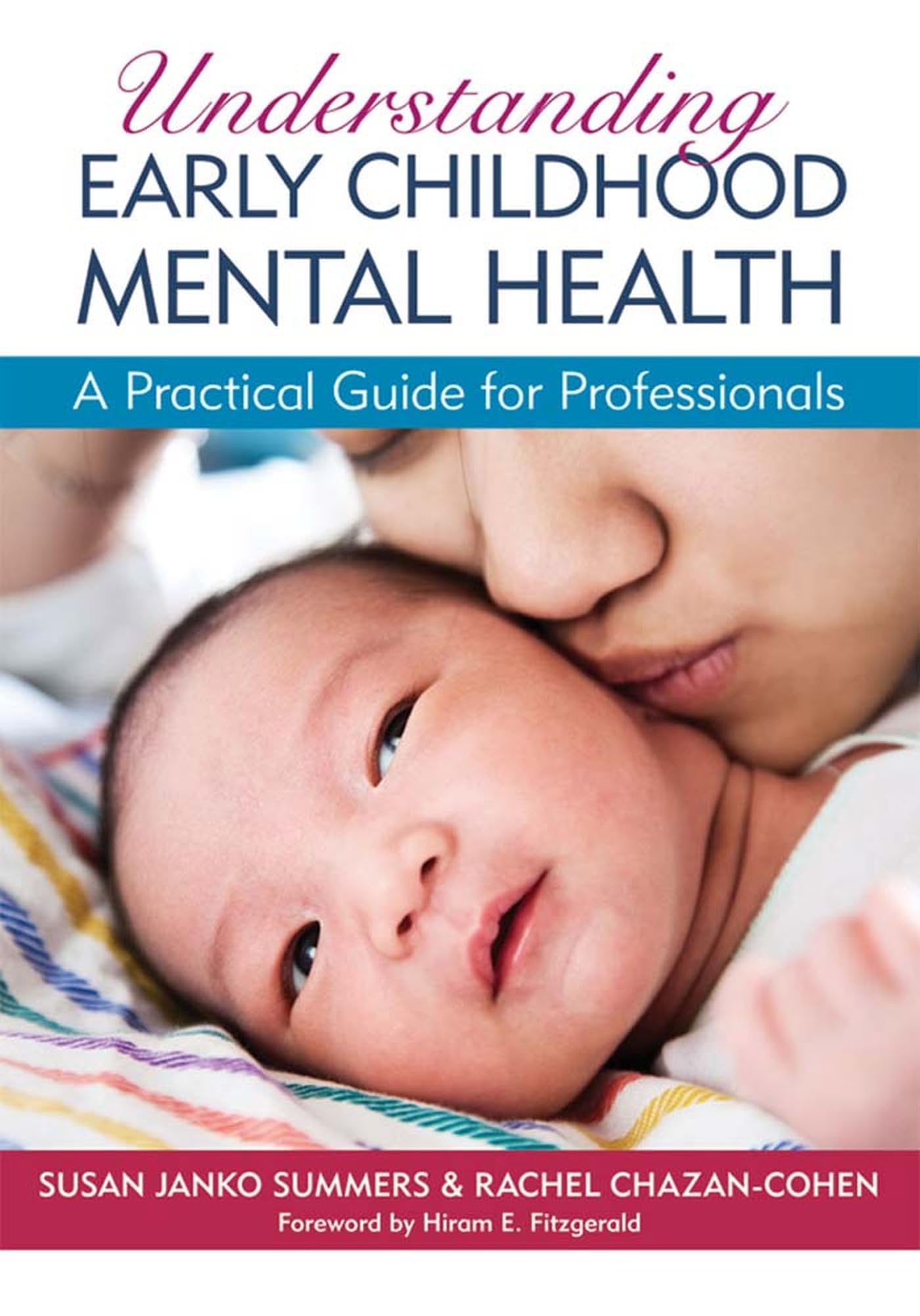
Understanding Early Childhood Mental Health: A Practical Guide For Professionals
Processing time: 1-3 days
US Orders Ships in: 3-5 days
International Orders Ships in: 8-12 days
Return Policy: 15-days return on defective items
Payment Option

Integrating Infant Mental Health Services Into Early Education Programs Leads To Better Child Outcomes And Stronger Parentchild Relationshipsthe Big Question Is How To Do It Appropriately And Effectively. Clear Answers Are In This Accessible Textbook, Created To Prepare Early Childhood Professionals And Programs To Weave Best Practices In Mental Health Into Their Everyday Work.Ideal For Preservice University Courses, Inservice Professional Development, And Program Administrators, This Introductory Text Combines The Authoritative Guidance Of More Than A Dozen Respected Mental Health And Early Childhood Experts. Professionals Will Get A Primer On Infant Mental Health, Strengthening Their Knowledge Of Key Issues Such As Screening And Assessment, Attachment, Emotional Dysregulation And Aggression, Risk And Resilience, Maternal Depression, And Children'S Exposure To Trauma. Then They'Ll Get Practical, Researchbased Guidance They Can Use Torecognize Indicators Of Mental Health Problems In Very Young Children, Including Emotional Dysregulation And Behavioral And Developmental Changes Promote Parents' And Caregivers' Mental Health Through Direct And Indirect Supports, Including Regular Mental Health Screening, Community Partnerships With Mental Health Providers, And Parent Education Build On Child And Family Strengths And Mitigate Risk Factors Such As Poverty And Violence Strengthen Parentchild Relationships And Interactions Through Play And Effective Caregiving Routines Maintain Their Own Mental Health, Building Positive Relationships With Coworkers And Reducing The Effects Of Compassion Fatigue And Secondary Stress Participate In Reflective Supervision To Sharpen Their Ability To Think Critically And Solve Problems Conduct Sound Program Evaluation That Includes The Input Of Families, Staff, And The Surrounding Culture And Community Work Effectively With Outside Mental Health Consultants When Child And Family Needs Extend Beyond The Program'S Scopewith This Highly Readable Introduction To Key Mental Health Principles, The Next Generation Of Early Childhood Professionals Will Fully Understand The Latest Research And Best Practiceso They Can Support Optimal Caregiverchild Relationships, Enhance Professional Collaboration, And Strengthen Child Development.
⚠️ WARNING (California Proposition 65):
This product may contain chemicals known to the State of California to cause cancer, birth defects, or other reproductive harm.
For more information, please visit www.P65Warnings.ca.gov.
- Q: What is the primary focus of 'Understanding Early Childhood Mental Health'? A: The book primarily focuses on integrating infant mental health services into early education programs to enhance child outcomes and strengthen parent-child relationships.
- Q: Who is the author of this book? A: The book is authored by Susan Janko Summers, Ph.D.
- Q: What are some key topics covered in this book? A: Key topics include screening and assessment, attachment, emotional dysregulation, maternal depression, children's exposure to trauma, and strategies for supporting parents and caregivers.
- Q: Is this book suitable for professionals in early childhood education? A: Yes, it is ideal for preservice university courses, in-service professional development, and program administrators in early childhood education.
- Q: How many pages does the book contain? A: The book contains 296 pages.
- Q: What is the publication date of this book? A: The book was published on November 19, 2011.
- Q: What type of binding does this book have? A: The book is available in paperback binding.
- Q: Can this book help in recognizing mental health issues in young children? A: Yes, it provides research-based guidance to help professionals recognize indicators of mental health problems in very young children.
- Q: Does the book offer strategies for improving parent-child relationships? A: Yes, it includes strategies for strengthening parent-child relationships through play and effective caregiving routines.
- Q: Is this book a good resource for understanding trauma in children? A: Yes, it discusses children's exposure to trauma and offers insights into addressing these challenges in early childhood settings.