
Title
Understanding Growth And Poverty (Wbi Development Studies),Used
Sold by Ergodebooks, an authorized reseller.
Returns accepted within 30 days | support@ergodebooks.com
Shipping Information
- Free Standard Shipping — United States only
- Processing Time: 3–5 business days
- Estimated Delivery: 6–10 business days after dispatch
- Double-boxed, fully insured & discreetly packaged
- Tracking number sent via email once dispatched
Returns & Refund
Returns accepted within 30 days of delivery.
Damaged or Defective Item
Free return shipping + replacement or full refund
Wrong Item Received
Free return shipping + replacement or full refund
Change of Mind
Return shipping at customer's expense · 25% restocking fee applies
Payment Option

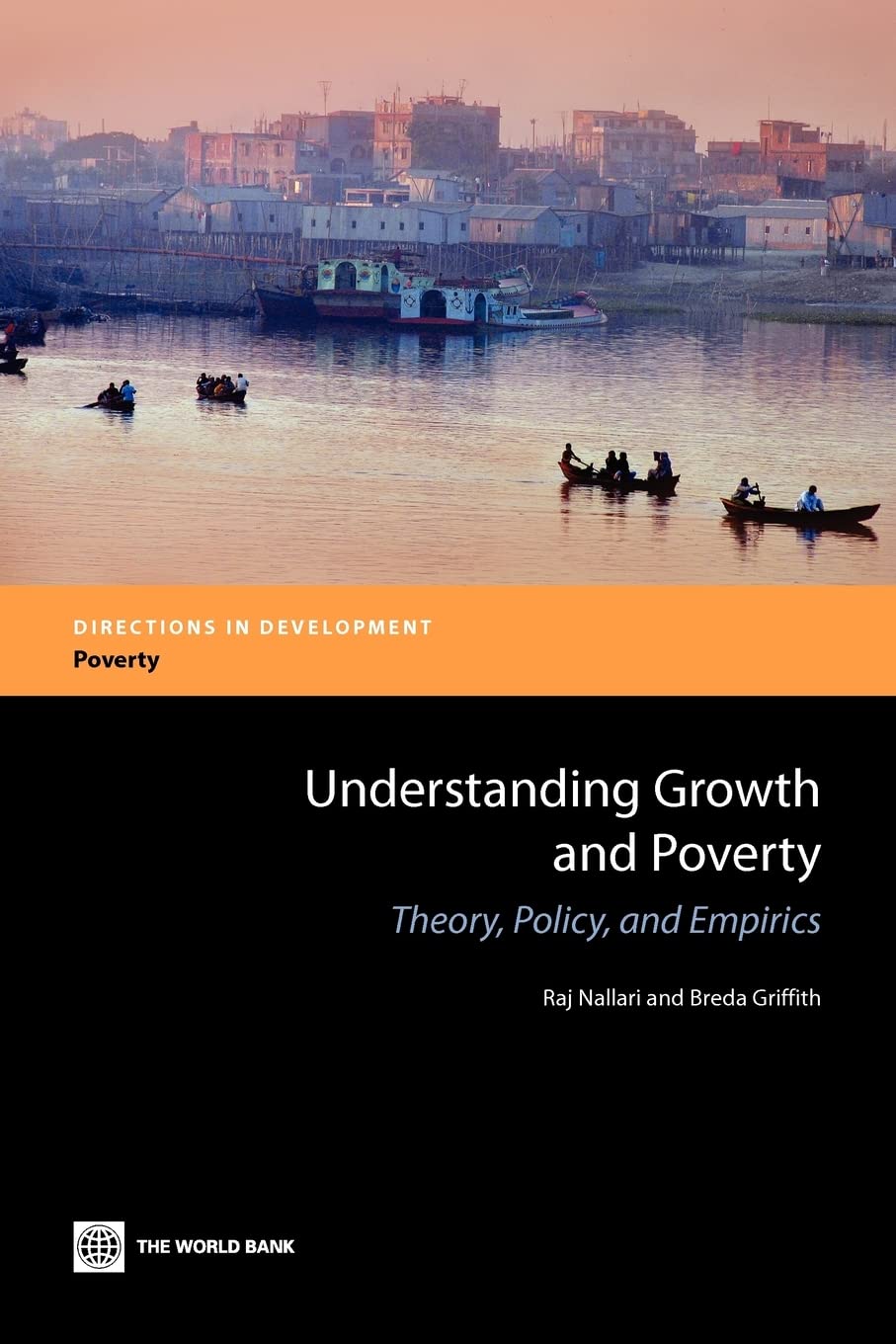
The literature on growth and poverty is voluminous and still evolving. This title distills the most important lessons from developing countries' experience with growth and poverty. It provides a broad understanding of the impact of economic policies on growth and poverty reduction in developing countries. After describing basic economic relationships that summarize the workings and the measurement of the macroeconomyand after confirming that growth is the most critical factor in alleviating povertythe book turns to individual policy areas. These include the various roles of government, among them setting fiscal policy and maintaining an environment conducive to the effective operation of a market economy. Policies governing money supply, exchange rates, and the financial sector are also covered. After assessing several decades of experience with development assistance, the aim of which has been to place poor countries on a path of sustainable longrun growth, the study turns to a discussion of external debt. In the 1980s and 1990s, debt contracted by lowincome countries from commercial and official sources became unsustainable, crippling their growth, keeping millions in poverty, and forcing an international reappraisal of lending policies, the centerpiece of which was a set of debtforgiveness policies that was put forward with the launch of the Jubilee 2000 debt relief campaign. The remainder of the volume examines problems that can keep the poor from moving out of poverty. Trade, institutional development, regulation, education, health, labor markets, land and agriculture, natural resources, urbanization, technology, and politicsall are core components of public policy and need to be handled right if poverty is to be addressed effectively. Because many developing countries lack the capacity to mobilize resourcesadministrative and financialto move the poor out of poverty, the international community must be actively involved. Looking ahead, rates of growth and poverty will be determined by how nations use knowledge, technology, and energy in firms and households, and by the effects of the warming climate on economic activities. Above all, the distribution of political and economic power within and among countries will determine the direction and dynamics of growth and development.
⚠️ WARNING (California Proposition 65):
This product may contain chemicals known to the State of California to cause cancer, birth defects, or other reproductive harm.
For more information, please visit www.P65Warnings.ca.gov.