If you have any questions, you are always welcome to contact us. We'll get back to you as soon as possible, withing 24 hours on weekdays.
Customer service
All questions about your order, return and delivery must be sent to our customer service team by e-mail at yourstore@yourdomain.com
Sale & Press
If you are interested in selling our products, need more information about our brand or wish to make a collaboration, please contact us at press@yourdomain.com
Help
If you have any questions, you are always welcome to contact us. We'll get back to you as soon as possible, withing 24 hours on weekdays.
Customer service
All questions about your order, return and delivery must be sent to our customer service team by e-mail at yourstore@yourdomain.com
Sale & Press
If you are interested in selling our products, need more information about our brand or wish to make a collaboration, please contact us at press@yourdomain.com
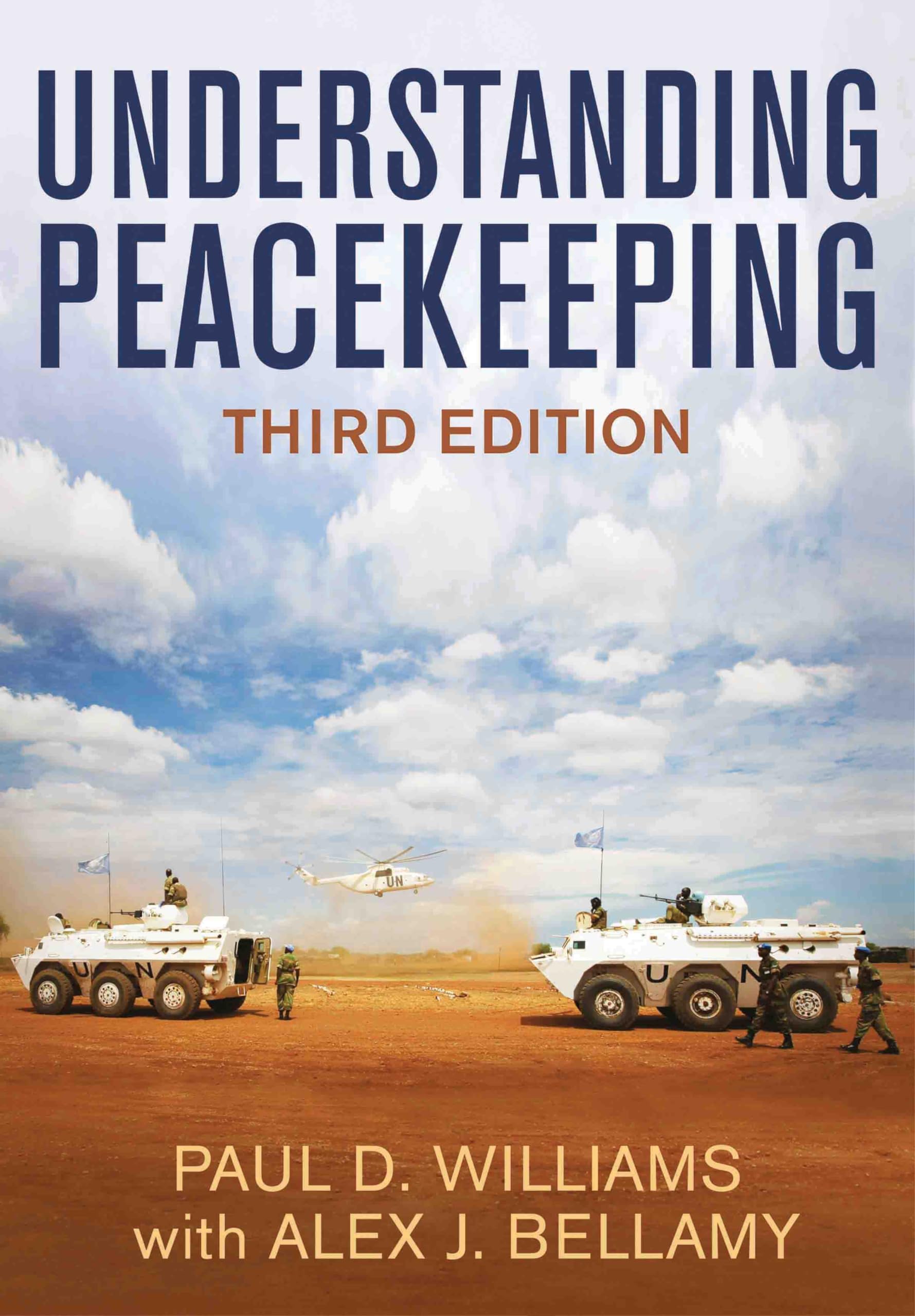
Peace operations remain a principal tool for managing armed conflict and protecting civilians. The fully revised, expanded and updated third edition of Understanding Peacekeeping provides a comprehensive and uptodate introduction to the theory, history, and politics of peace operations.Drawing on a dataset of nearly two hundred historical and contemporary missions, this book evaluates the changing characteristics of the contemporary international environment in which peace operations are deployed, the strategic purposes peace operations are intended to achieve, and the major challenges facing todays peacekeepers. All the chapters have been revised and updated, and five new chapters have been added on stabilization, organized crime, exit strategies, force generation, and the use of force.Part 1 summarizes the central concepts and issues related to peace operations. Part 2 charts the historical development of peacekeeping, from 1945 through to 2020. Part 3 analyses the strategic purposes that United Nations and other peace operations are intended to achieve namely, prevention, observation, assistance, enforcement, stabilization, and administration. Part 4 looks forward and examines the central challenges facing todays peacekeepers: force generation, the regionalization and privatization of peace operations, the use of force, civilian protection, gender issues, policing and organized crime, and exit strategies.
⚠️ WARNING (California Proposition 65):
This product may contain chemicals known to the State of California to cause cancer,
birth defects, or other reproductive harm.
For MAP (Minimum Advertised Price) violations and Intellectual Property (IP) or Trademark concerns, please contact:
support@ergodebooks.com
⚠️ California Proposition 65 Warning: Some products sold on this website may expose you to chemicals known to the State of California to cause cancer, birth defects, or other reproductive harm. For more information, visit www.P65Warnings.ca.gov.