
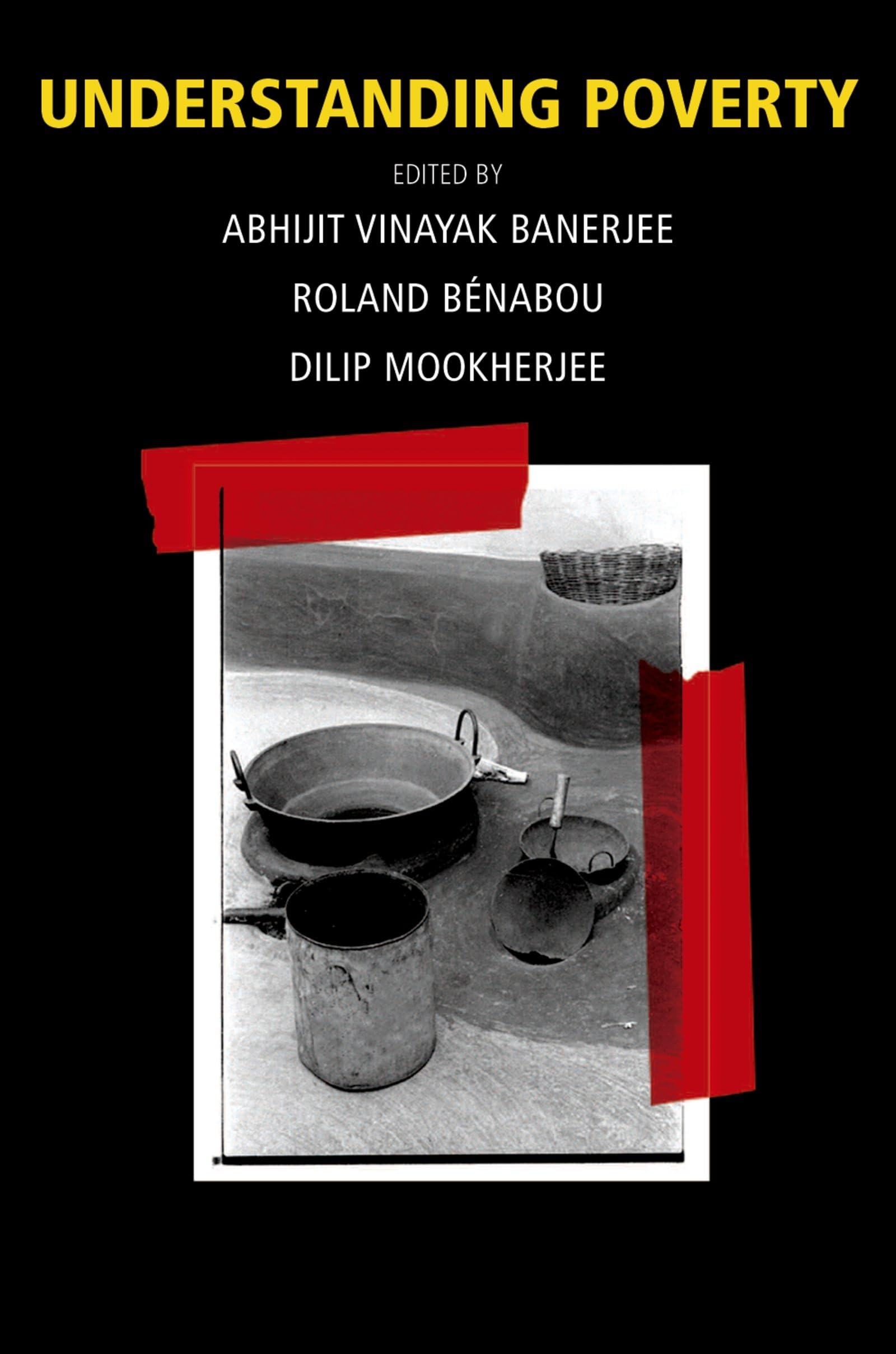
Title
Understanding Poverty,Used
Sold by Ergodebooks, an authorized reseller.
Returns accepted within 30 days | support@ergodebooks.com
Shipping Information
- Free Standard Shipping — United States only
- Processing Time: 3–5 business days
- Estimated Delivery: 6–10 business days after dispatch
- Double-boxed, fully insured & discreetly packaged
- Tracking number sent via email once dispatched
Returns & Refund
Returns accepted within 30 days of delivery.
Damaged or Defective Item
Free return shipping + replacement or full refund
Wrong Item Received
Free return shipping + replacement or full refund
Change of Mind
Return shipping at customer's expense · 25% restocking fee applies
Payment Option

Understanding poverty and what to do about it, is perhaps the central concern of all of economics. Yet the lay public almost never gets to hear what leading professional economists have to say about it. This volume brings together twentyeight essays by some of the world leaders in the field, who were invited to tell the lay reader about the most important things they have learnt from their research that relate to poverty. The essays cover a wide array of topics: the first essay is about how poverty gets measured. The next section is about the causes of poverty and its persistence, and the ideas range from the impact of colonialism and globalization to the problems of 'excessive' population growth, corruption and ethnic conflict. The next section is about policy: how should we fight poverty? The essays discuss how to get drug companies to produce more vaccines for the diseases of the poor, what we should and should not expect from microcredit, what we should do about child labor, how to design welfare policies that work better and a host of other topics. The final section is about where the puzzles lie: what are the most important anomalies, the big gaps in the way economists think about poverty? The essays talk about the puzzling reluctance of Kenyan farmers to fertilizers, the enduring power of social relationships in economic transactions in developing countries and the need to understand where aspirations come from, and much else. Every essay is written with the aim of presenting the latest and the most sophisticated in economics without any recourse to jargon or technical language.
⚠️ WARNING (California Proposition 65):
This product may contain chemicals known to the State of California to cause cancer, birth defects, or other reproductive harm.
For more information, please visit www.P65Warnings.ca.gov.
- Q: How many pages does 'Understanding Poverty' have? A: This book has four hundred ninety-six pages. It provides in-depth essays from leading economists on poverty.
- Q: What are the dimensions of this book? A: The book measures six point fourteen inches in length, six point fourteen inches in width, and nine point twenty-one inches in height.
- Q: What type of binding does 'Understanding Poverty' have? A: This book is available in paperback binding. It makes it sturdy yet flexible for easy reading.
- Q: Who is the author of 'Understanding Poverty'? A: The author is Roland Benabou. He is known for his contributions to the field of economics.
- Q: What is the main topic of 'Understanding Poverty'? A: The book focuses on understanding poverty and its implications in economics. It brings together essays from influential economists.
- Q: Is 'Understanding Poverty' suitable for beginners in economics? A: Yes, the book is written for lay readers. It avoids jargon and presents complex ideas in an accessible manner.
- Q: Can I use this book for academic research? A: Yes, the essays provide valuable insights and research findings on poverty. It is suitable for both academic and general audiences.
- Q: How do I approach reading the essays in this book? A: You can read the essays in any order, as they cover various aspects of poverty. Each essay stands alone with its own insights.
- Q: Is there a specific age group for this book? A: This book is suitable for adults and older teens. It discusses complex economic concepts that may require prior knowledge.
- Q: How should I store 'Understanding Poverty' to keep it in good condition? A: Store the book in a cool, dry place away from direct sunlight. This prevents fading and damage to the paperback cover.
- Q: Does this book require special care or handling? A: No, there are no special care instructions. Just handle the book gently to avoid bending pages or damaging the binding.
- Q: What if I receive a damaged copy of 'Understanding Poverty'? A: You should contact the seller for return or exchange options. Most sellers offer policies for damaged items.
- Q: Can I return 'Understanding Poverty' if I don't like it? A: Yes, return policies typically allow for returns within a specific timeframe. Check with your seller for their exact policy.
- Q: What if I have trouble understanding the content? A: Consider discussing the essays with a study group or looking for supplementary materials. This can enhance comprehension of complex topics.
- Q: Is 'Understanding Poverty' a good choice for a book club? A: Yes, this book is an excellent choice for book clubs. It raises important discussions about poverty and economic policy.