
Title
Understanding Psychological Testing in Children: A Guide for Health Professionals,New
Sold by Ergodebooks, an authorized reseller.
Returns accepted within 30 days | support@ergodebooks.com
Shipping Information
- Free Standard Shipping — United States only
- Processing Time: 3–5 business days
- Estimated Delivery: 6–10 business days after dispatch
- Double-boxed, fully insured & discreetly packaged
- Tracking number sent via email once dispatched
Returns & Refund
Returns accepted within 30 days of delivery.
Damaged or Defective Item
Free return shipping + replacement or full refund
Wrong Item Received
Free return shipping + replacement or full refund
Change of Mind
Return shipping at customer's expense · 25% restocking fee applies
Payment Option

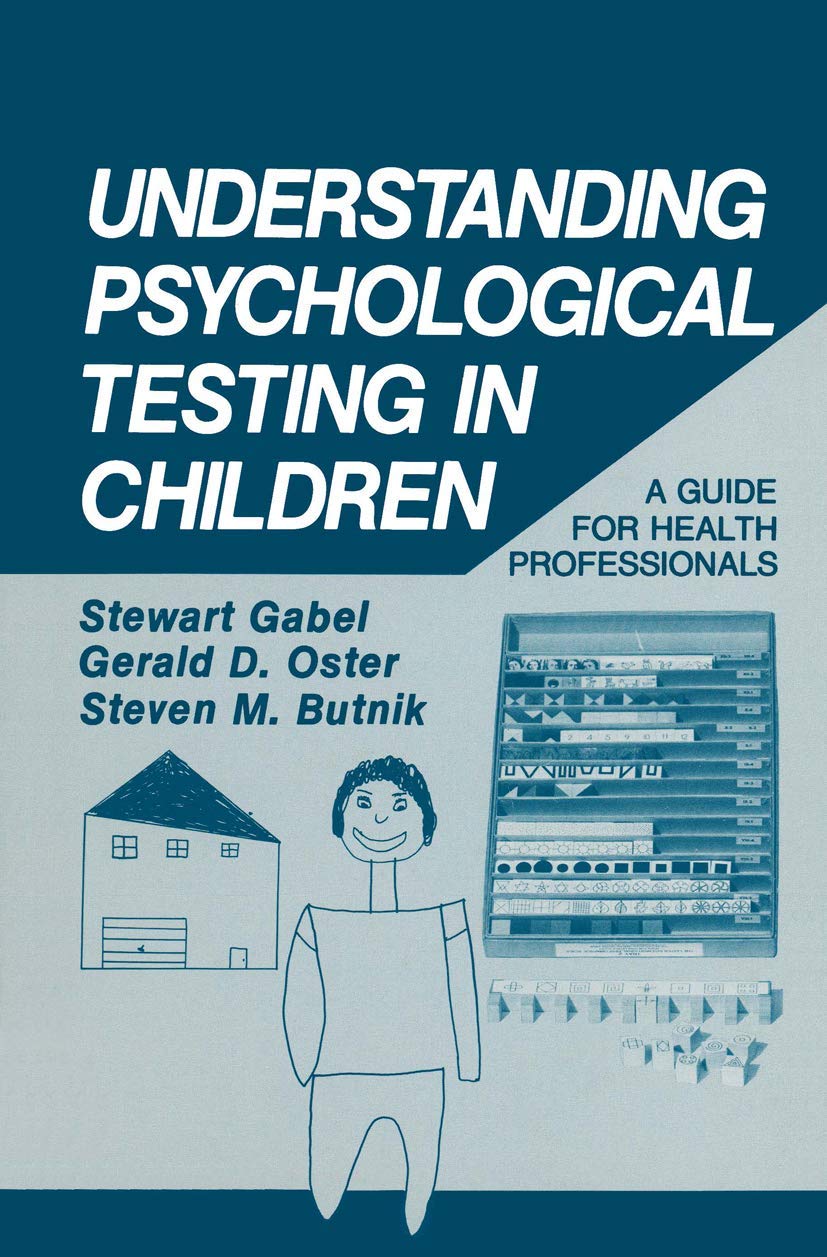
There is a considerable amount of interest within pediatrics and pri mary health care that is currently being directed toward the behavioral and emotional problems of childhood. Traditionally, these areas have been emphasized by child psychiatrists, child psychologists, and psy chiatric social workers. Now, however, the detection and, in some cases, the assessment and treatment of children with these types of disturb ances fall within the province of primary child health care profession als. Even when the child psychiatrist or child psychologist provides the primary mental health treatment for the child, specialists such as pediatricians, family physicians, pediatric nurses, pediatric nurse prac titioners, and speech therapists remain instrumental in support of the ongoing psychotherapeutic process as providers of some other aspect of total health care to the child and family. For these pediatricians, family physicians, and other nonpsychol ogist primary health care providers, it is essential to acquire an under standing and effective working knowledge of important psychological information and concepts to utilize within their own framework and professional responsibilities. In order that this may be accomplished, these professionals with limited backgrounds in psychology must better understand how psychologists themselves assess children and how they derive the conclusions reflected in the statements and reports that are shared with members of their own and other disciplines. In short, nonpsychologists must become substantially more familiar with psy chological assessment, particularly with psychological testing and the subsequent reporting of results.
⚠️ WARNING (California Proposition 65):
This product may contain chemicals known to the State of California to cause cancer, birth defects, or other reproductive harm.
For more information, please visit www.P65Warnings.ca.gov.