If you have any questions, you are always welcome to contact us. We'll get back to you as soon as possible, withing 24 hours on weekdays.
Customer service
All questions about your order, return and delivery must be sent to our customer service team by e-mail at yourstore@yourdomain.com
Sale & Press
If you are interested in selling our products, need more information about our brand or wish to make a collaboration, please contact us at press@yourdomain.com
Help
If you have any questions, you are always welcome to contact us. We'll get back to you as soon as possible, withing 24 hours on weekdays.
Customer service
All questions about your order, return and delivery must be sent to our customer service team by e-mail at yourstore@yourdomain.com
Sale & Press
If you are interested in selling our products, need more information about our brand or wish to make a collaboration, please contact us at press@yourdomain.com
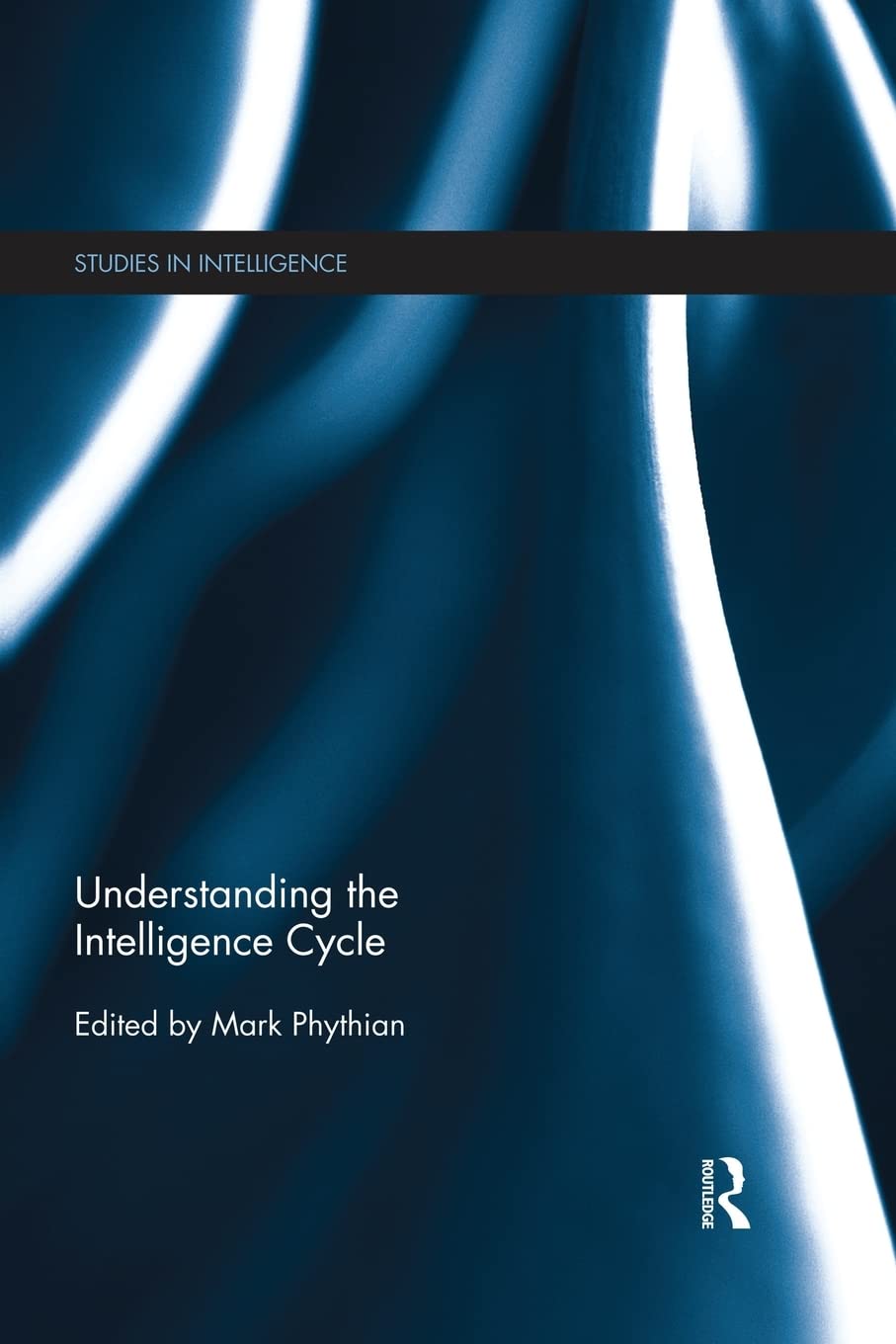
This book critically analyses the concept of the intelligence cycle, highlighting the nature and extent of its limitations and proposing alternative ways of conceptualising the intelligence process.The concept of the intelligence cycle has been central to the study of intelligence. As Intelligence Studies has established itself as a distinctive branch of Political Science, it has generated its own foundational literature, within which the intelligence cycle has constituted a vital thread one running through all socialscience approaches to the study of intelligence and constituting a staple of professional training courses. However, there is a growing acceptance that the concept neither accurately reflects the intelligence process nor accommodates important elements of it, such as covert action, counterintelligence and oversight.Bringing together key authors in the field, the book considers these questions across a number of contexts: in relation to intelligence as a general concept, military intelligence, corporate/private sector intelligence and policing and criminal intelligence. A number of the contributions also go beyond discussion of the limitations of the cycle concept to propose alternative conceptualisations of the intelligence process. What emerges is a plurality of approaches that seek to advance the debate and, as a consequence, Intelligence Studies itself.This book will be of great interest to students of intelligence studies, strategic studies, criminology and policing, security studies and IR in general, as well as to practitioners in the field.
⚠️ WARNING (California Proposition 65):
This product may contain chemicals known to the State of California to cause cancer,
birth defects, or other reproductive harm.
For MAP (Minimum Advertised Price) violations and Intellectual Property (IP) or Trademark concerns, please contact:
support@ergodebooks.com
⚠️ California Proposition 65 Warning: Some products sold on this website may expose you to chemicals known to the State of California to cause cancer, birth defects, or other reproductive harm. For more information, visit www.P65Warnings.ca.gov.