
Title
Uneven Innovation: The Work of Smart Cities,New
Sold by Ergodebooks, an authorized reseller.
Returns accepted within 30 days | support@ergodebooks.com
Shipping Information
- Free Standard Shipping — United States only
- Processing Time: 3–5 business days
- Estimated Delivery: 6–10 business days after dispatch
- Double-boxed, fully insured & discreetly packaged
- Tracking number sent via email once dispatched
Returns & Refund
Returns accepted within 30 days of delivery.
Damaged or Defective Item
Free return shipping + replacement or full refund
Wrong Item Received
Free return shipping + replacement or full refund
Change of Mind
Return shipping at customer's expense · 25% restocking fee applies
Payment Option

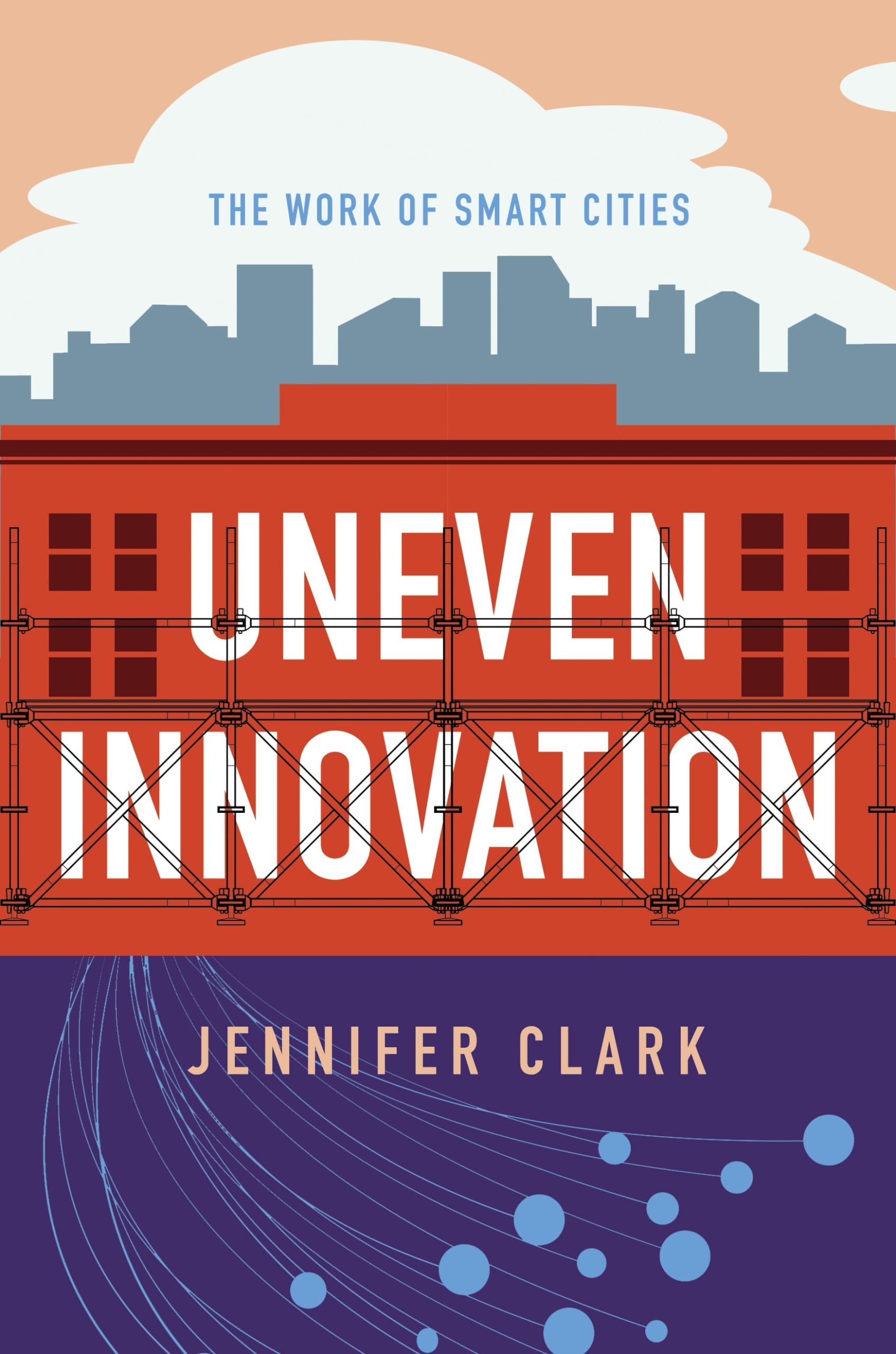
The city of the future, we are told, is the smart city. By seamlessly integrating information and communication technologies into the provision and management of public services, such cities will enhance opportunity and bolster civic engagement. Smarter cities will bring in new revenue while saving money. They will be more of everything that a twentyfirst century urban planner, citizen, and elected official wants: more efficient, more sustainable, and more inclusive. Is this true?In Uneven Innovation, Jennifer Clark considers the potential of these emerging technologies as well as their capacity to exacerbate existing inequalities and even produce new ones. She reframes the smart city concept within the trajectory of uneven development of cities and regions, as well as the long history of technocratic solutions to urban policy challenges. Clark argues that urban change driven by the technology sector is following the patterns that have previously led to imbalanced access, opportunities, and outcomes. The tech sector needs the city, yet it exploits and maintains unequal arrangements, embedding labor flexibility and precarity in the built environment. Technology development, Uneven Innovation contends, is the easy part; understanding the city and its governance, regulation, access, participation, and representationall of which are complex and highly localizedis the real challenge. Clarks critique leads to policy prescriptions that present a path toward an alternative future in which smart cities result in more equitable communities.
⚠️ WARNING (California Proposition 65):
This product may contain chemicals known to the State of California to cause cancer, birth defects, or other reproductive harm.
For more information, please visit www.P65Warnings.ca.gov.