
Title
Untying the Knot: Making Peace in the Taiwan Strait,Used
Sold by Ergodebooks, an authorized reseller.
Returns accepted within 30 days | support@ergodebooks.com
Shipping Information
- Free Standard Shipping — United States only
- Processing Time: 3–5 business days
- Estimated Delivery: 6–10 business days after dispatch
- Double-boxed, fully insured & discreetly packaged
- Tracking number sent via email once dispatched
Returns & Refund
Returns accepted within 30 days of delivery.
Damaged or Defective Item
Free return shipping + replacement or full refund
Wrong Item Received
Free return shipping + replacement or full refund
Change of Mind
Return shipping at customer's expense · 25% restocking fee applies
Payment Option

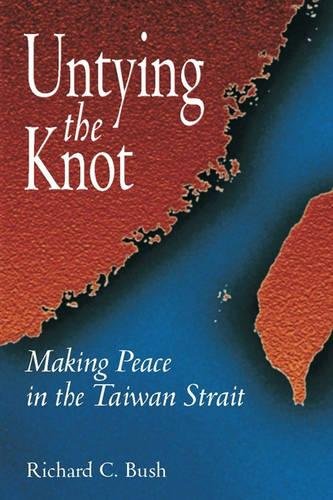
The relationship between Taiwan and China is a paradox. On the one hand, the two economies are becoming increasingly integrated, as Taiwanese companies have come to regard the mainland as the best place to manufacture their products and maintain global competitiveness. On the other hand, the longrunning and changing political dispute between the two governments remains unresolved. Each side fears the intentions of the other and is acquiring military capabilities to deter disaster. In its pursuit of peace in the Taiwan Strait, the United States could get drawn into a war between the two rivals. Richard C. Bush, whose career has been dedicated to TaiwanChina issues, explores the conflicts between these nations and the difficulties that must be resolved. Disagreements over sovereignty and security form the core of the dispute. What would be the legal status and international role of the Taiwan government in a future unified China? Given China's growing military power, how could Taiwan feel secure? Complicating these issues are domestic politics and international competition, as well as misperceptions on both sides. Thus multiple obstacles prevent the two sides from even getting to the negotiating table, much less reaching a mutually acceptable resolution. For reasons of policy and politics, the United States is constrained from a central role. To begin with, it must provide China with some reassurance about its policy in order to secure cooperation on foreign policy issues. At the same time, it must bolster Taiwan's political confidence and military deterrence while discouraging provocative actions. The arcane nature of this dispute severely restricts the role of the United States as conflict mediator. But if there is to be any solution to this conflict, the comprehensive analysis that this book provides will be required reading for effective policy.'
⚠️ WARNING (California Proposition 65):
This product may contain chemicals known to the State of California to cause cancer, birth defects, or other reproductive harm.
For more information, please visit www.P65Warnings.ca.gov.