
Title
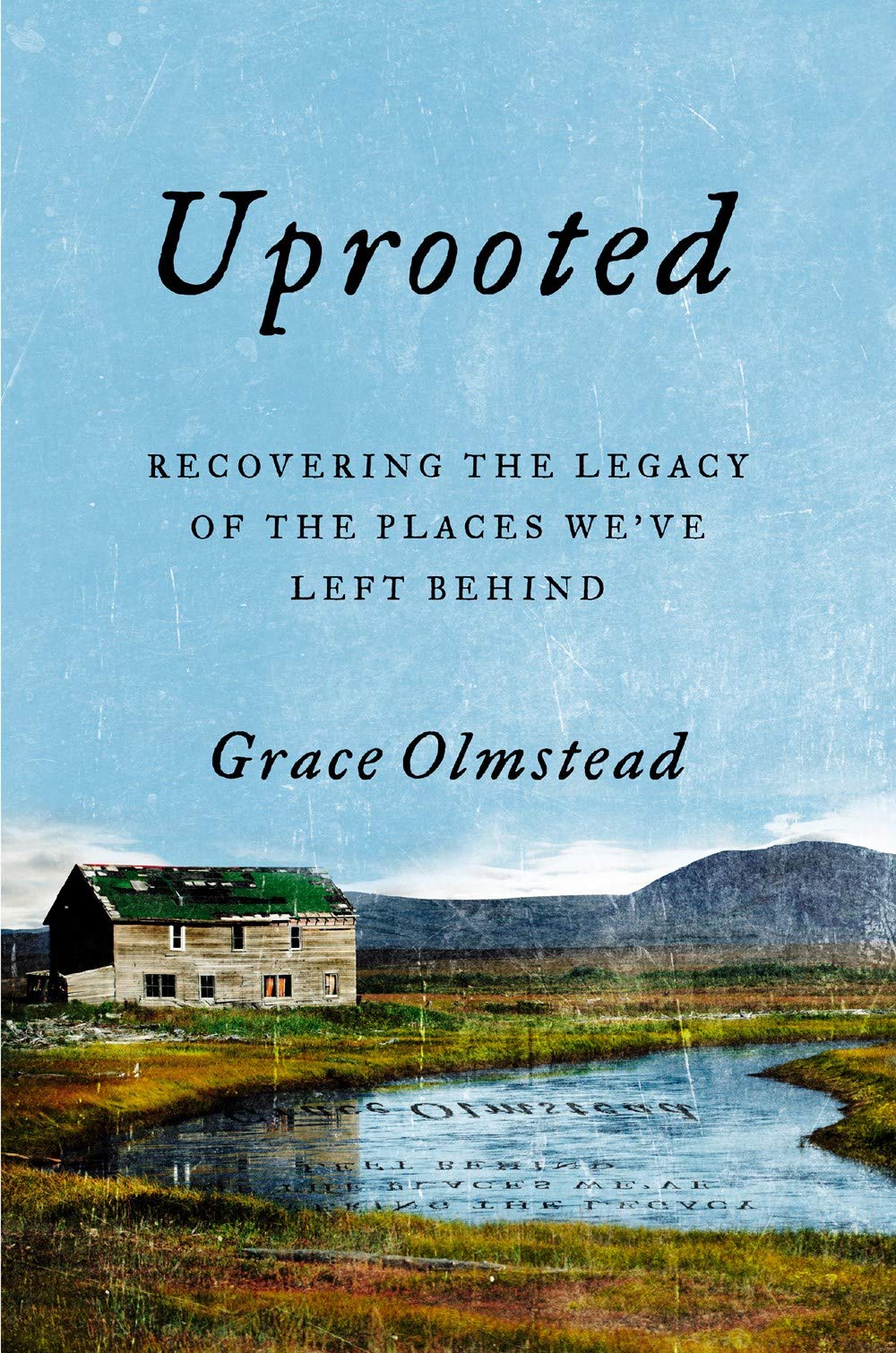
Uprooted: Recovering The Legacy Of The Places We'Ve Left Behind
Sold by Ergodebooks, an authorized reseller.
Returns accepted within 30 days | support@ergodebooks.com
Shipping Information
- Free Standard Shipping — United States only
- Processing Time: 3–5 business days
- Estimated Delivery: 6–10 business days after dispatch
- Double-boxed, fully insured & discreetly packaged
- Tracking number sent via email once dispatched
Returns & Refund
Returns accepted within 30 days of delivery.
Damaged or Defective Item
Free return shipping + replacement or full refund
Wrong Item Received
Free return shipping + replacement or full refund
Change of Mind
Return shipping at customer's expense · 25% restocking fee applies
Payment Option

A Superior Exploration Of The Consequences Of The Hollowing Out Of Our Agricultural Heartlands.Kirkus Reviewsin The Tradition Of Wendell Berry, A Young Writer Wrestles With What We Owe The Places Weve Left Behind.In The Tiny Farm Town Of Emmett, Idaho, There Are Two Kinds Of People: Those Who Leave And Those Who Stay. Those Who Leave Go In Search Of Greener Pastures, Better Jobs, And College. Those Who Stay Are Left To Contend With Thinning Communities, Punishing Government Farm Policy, And Environmental Decay.Grace Olmstead, Now A Journalist In Washington, Dc, Is One Who Left, And In Uprooted, She Examines The Heartbreaking Consequences Of Uprootingfor Emmett, And For The Greater Heartland America. Part Memoir, Part Journalistic Investigation, Uprooted Wrestles With The Questions Of What We Owe The Places We Come From And What We Are Willing To Sacrifice For Profit And Progress.As Part Of Her Own Quest To Decide Whether Or Not To Return To Her Roots, Olmstead Revisits The Stories Of Those Who, Like Her Greatgrandparents And Grandparents, Made Emmett A Strong Community And Her Childhood Idyllic. She Looks At The Stark Realities Of Farming Life Today, Identifying The Government Policies And Big Agriculture Practices That Make It Almost Impossible For Such Towns To Survive. And She Explores The Ranks Of Emmetts Newcomers And What Growth Means For The Areas Farming Tradition.Avoiding Both Sentimental Devotion To The Past And Blind Faith In Progress, Olmstead Uncovers Ways Modern Life Attacks All Of Our Roots, Both Metaphorical And Literal. She Brings Readers Face To Face With The Damage And Brain Drain Left In The Wake Of Our Pursuit Of Selfimprovement, Economic Opportunity, And Socalled Growth. Ultimately, She Comes To An Uneasy Conclusion For Herself: One Can Cultivate Habits And Practices That Promote Rootedness Wherever One May Be, But: Some Things, Once Lost, Cannot Be Recovered.
⚠️ WARNING (California Proposition 65):
This product may contain chemicals known to the State of California to cause cancer, birth defects, or other reproductive harm.
For more information, please visit www.P65Warnings.ca.gov.
- Q: What is the page count of this book? A: This book has two hundred seventy-two pages. It offers a deep exploration of themes related to leaving and returning to one's roots.
- Q: What are the dimensions of the book? A: The book measures six point three inches in length, zero point ninety-two inches in width, and nine point thirty-three inches in height. These dimensions make it a standard hardcover size.
- Q: What type of binding does this book have? A: This book features a hardcover binding. This provides durability and a quality feel, suitable for frequent reading.
- Q: Who is the author of this book? A: The author is Grace Olmstead. She is a journalist who reflects on her experiences and the impact of leaving her hometown.
- Q: What genre does this book belong to? A: This book belongs to the memoir genre. It combines personal narrative with journalistic investigation.
- Q: How do I read this book? A: You can read this book by simply opening it and following the text from front to back. It's suitable for anyone interested in personal stories and community issues.
- Q: Is this book suitable for young readers? A: This book is not specifically targeted at young readers. It deals with complex themes that may be more suitable for adults or older teens.
- Q: What themes are explored in this book? A: The book explores themes of community, loss, and the impact of modern life on agricultural traditions. It invites readers to reflect on their own roots.
- Q: Can I use this book for a book club discussion? A: Yes, this book is an excellent choice for book club discussions. Its themes encourage deep conversation about community and personal history.
- Q: How should I care for this hardcover book? A: To care for this hardcover book, keep it in a dry place away from direct sunlight. Avoid bending the cover and store it upright on a shelf.
- Q: Is this book safe to lend to friends? A: Yes, this book is safe to lend to friends. Just be mindful of its condition and ensure it is returned in good shape.
- Q: What if the book arrives damaged? A: If the book arrives damaged, please contact the seller for a return or exchange. Most retailers have policies to handle such issues.
- Q: What is the recommended storage for this book? A: The recommended storage is on a bookshelf or in a cool, dry place. Keeping it upright helps maintain its shape and condition.
- Q: Is this book part of a series? A: No, this book is not part of a series. It stands alone as a unique exploration of personal and communal themes.
- Q: What is the main message of this book? A: The main message of this book is about understanding the consequences of leaving one's roots and the importance of community. It encourages reflection on what we value.
- Q: Can I find this book in digital format? A: Yes, this book is available in digital format. Check various online retailers for e-book options to read on your device.