If you have any questions, you are always welcome to contact us. We'll get back to you as soon as possible, withing 24 hours on weekdays.
Customer service
All questions about your order, return and delivery must be sent to our customer service team by e-mail at yourstore@yourdomain.com
Sale & Press
If you are interested in selling our products, need more information about our brand or wish to make a collaboration, please contact us at press@yourdomain.com
Help
If you have any questions, you are always welcome to contact us. We'll get back to you as soon as possible, withing 24 hours on weekdays.
Customer service
All questions about your order, return and delivery must be sent to our customer service team by e-mail at yourstore@yourdomain.com
Sale & Press
If you are interested in selling our products, need more information about our brand or wish to make a collaboration, please contact us at press@yourdomain.com
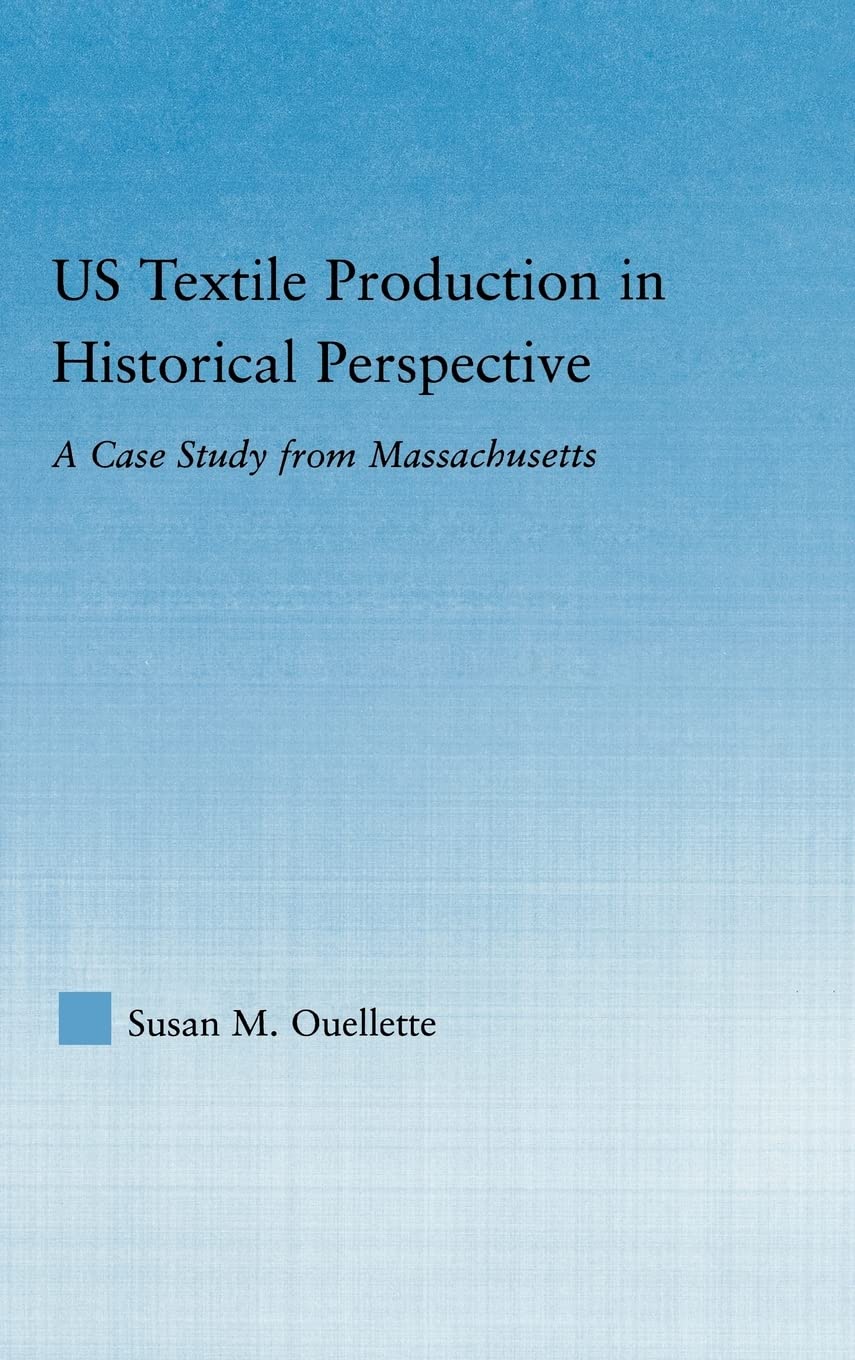
This book explores the development of a provincial textile industry in colonial America. Immediately after the end of the Great Migration into the Massachusetts Bay colony, settlers found themselves in a textile crisis. They were not able to generate the kind of export commodities that would enable them to import English textiles in the quantities they required. This study examines the promotion of domestic textile manufacture from the level of the Massachusetts legislature down to the way in which individual communities organized individual productive efforts. Although other historians have examined early cloth production in colonial homes, they have tended to dismiss domestic clothmaking as a casual activity among family members rather than a concerted community effort at economic development. This study looks closely at the networks of production and examines the methods that households and communities organized themselves to meet a very critical need for cloth of all kinds. It is a social history of clothmaking that also employs the economic and political elements of Massachusetts Bay to tell their story.
⚠️ WARNING (California Proposition 65):
This product may contain chemicals known to the State of California to cause cancer,
birth defects, or other reproductive harm.
For MAP (Minimum Advertised Price) violations and Intellectual Property (IP) or Trademark concerns, please contact:
support@ergodebooks.com
⚠️ California Proposition 65 Warning: Some products sold on this website may expose you to chemicals known to the State of California to cause cancer, birth defects, or other reproductive harm. For more information, visit www.P65Warnings.ca.gov.