
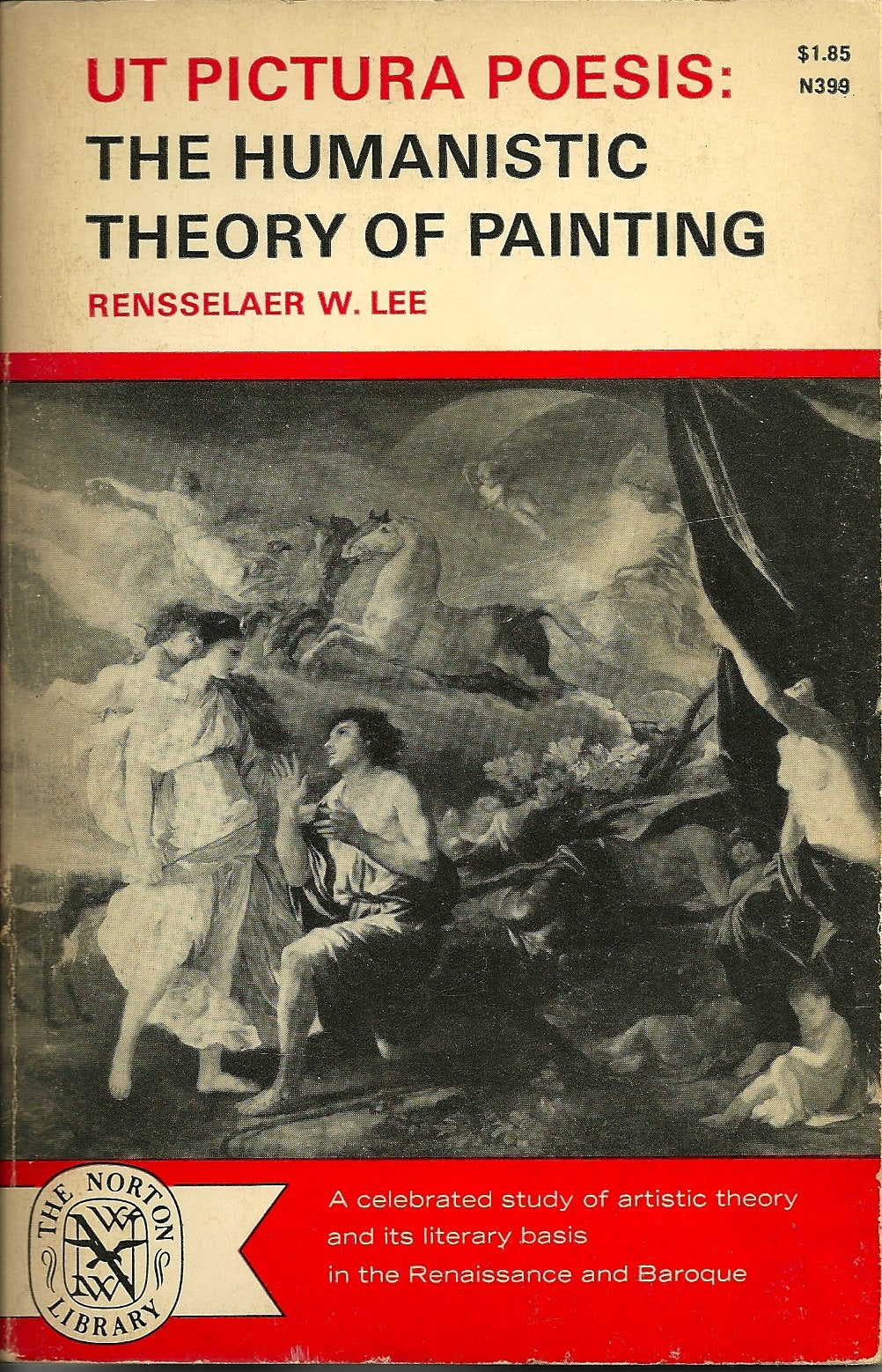
Title
Ut Pictura Poesis The Humanistic Theory Of Painting,Used
Sold by Ergodebooks, an authorized reseller.
Returns accepted within 30 days | support@ergodebooks.com
Shipping Information
- Free Standard Shipping — United States only
- Processing Time: 3–5 business days
- Estimated Delivery: 6–10 business days after dispatch
- Double-boxed, fully insured & discreetly packaged
- Tracking number sent via email once dispatched
Returns & Refund
Returns accepted within 30 days of delivery.
Damaged or Defective Item
Free return shipping + replacement or full refund
Wrong Item Received
Free return shipping + replacement or full refund
Change of Mind
Return shipping at customer's expense · 25% restocking fee applies
Payment Option

Questo Saggio Va Inteso Come Un Tentativo Di Definire La Teoria Umanistica Della Pittura E Di Tracciarne A Grandi Linee Lo Sviluppo Dagli Inizi Nel Xv Secolo Al Settecento, Quando I Nuovi Orientamenti Del Pensiero Critico E Delle Arti Figurative Cominciarono A Determinarne Il Declino. Sempre Presente In Questa Teoria L'Assunto Fondamentale Oggi Peraltro Non Pi Accettato Che La Buona Pittura, Come La Buona Poesia, Sia L'Imitazione Ideale Della Natura Umana In Azione. Ne Consegue Che I Pittori, Come I Poeti, Devono Esprimere Verit Generali Rifuggendo Dal Particolare, Facendo Uso Di Soggetti Universalmente Conosciuti E Apprezzati, Tramandati Attraverso La Narrazione Biblica E La Lettura Dei Classici Grecoromani; Inoltre Devono Rappresentare Una Multiforme Variet Di Emozioni E Tendere Non Soltanto A Dilettare Ma Anche A Istruire L'Umanit. Questa Teoria, Come In Larga Misura Anche L'Arte Di Quel Periodo, Aveva Le Sue Radici Nell'Antichit. Le Famose Analogie Tra Pittura E Poesia Di Aristotele E Di Orazio Avevano Indotto I Critici, Che Non Trovavano Negli Antichi Una Vera E Propria Teoria Della Pittura, A Trasferire L'Antica Teoria Letteraria A Un'Arte Per La Quale Non Era Stata Concepita.' (Dalla Prefazione Dell'Autore All'Edizione Italiana). Con Uno Scritto Di Marco Maggi.
⚠️ WARNING (California Proposition 65):
This product may contain chemicals known to the State of California to cause cancer, birth defects, or other reproductive harm.
For more information, please visit www.P65Warnings.ca.gov.
- Q: What is the binding type of this book? A: This book has a paperback binding. Paperback editions are flexible and lightweight, making them easy to carry.
- Q: How many pages does the book have? A: The book contains two hundred forty-four pages. This length is typical for academic and theoretical works.
- Q: What are the dimensions of the book? A: The book measures five inches in length, zero point ninety-eight inches in width, and seven point ninety-nine inches in height. These dimensions make it a compact and portable read.
- Q: Is this book suitable for beginners? A: Yes, this book is suitable for readers who have a basic understanding of art theory. It provides insights into the humanistic theory of painting.
- Q: What themes does this book cover? A: The book discusses the relationship between painting and poetry, exploring themes of imitation and the representation of human emotion. It focuses on the evolution of art from the fifteenth century to the eighteenth century.
- Q: Who is the author of the book? A: The author of this book is Rensselaer Lee. He is known for his scholarly contributions to art theory.
- Q: How should I store this book to keep it in good condition? A: Store the book in a cool, dry place away from direct sunlight. This will help preserve the binding and pages.
- Q: Can I clean the book if it gets dirty? A: Yes, you can gently wipe the cover with a soft, dry cloth. Avoid using water or cleaning solutions to prevent damage.
- Q: Is this book appropriate for children? A: No, this book is not specifically targeted at children. Its themes and language may be more suitable for adult readers.
- Q: How does this book compare to other art theory books? A: This book offers a unique perspective on the humanistic theory of painting, making it distinct from other art theory texts that may focus solely on techniques or specific artists.
- Q: What if my book arrives damaged? A: If your book arrives damaged, you should contact the seller for a return or exchange. Most sellers offer policies to address such issues.
- Q: Is there a warranty for this book? A: No, books typically do not come with warranties. However, you can check the seller's return policy for any guarantees.
- Q: Who is the publisher of this book? A: The book is published by W. W. Norton & Company. They are known for their academic and literary publications.
- Q: Are there any illustrations in the book? A: No, the book does not mention any illustrations. It primarily focuses on text to convey its theories.
- Q: What era does this book primarily discuss? A: The book discusses the evolution of painting from the fifteenth century to the eighteenth century, highlighting significant changes in artistic thought.