
Title
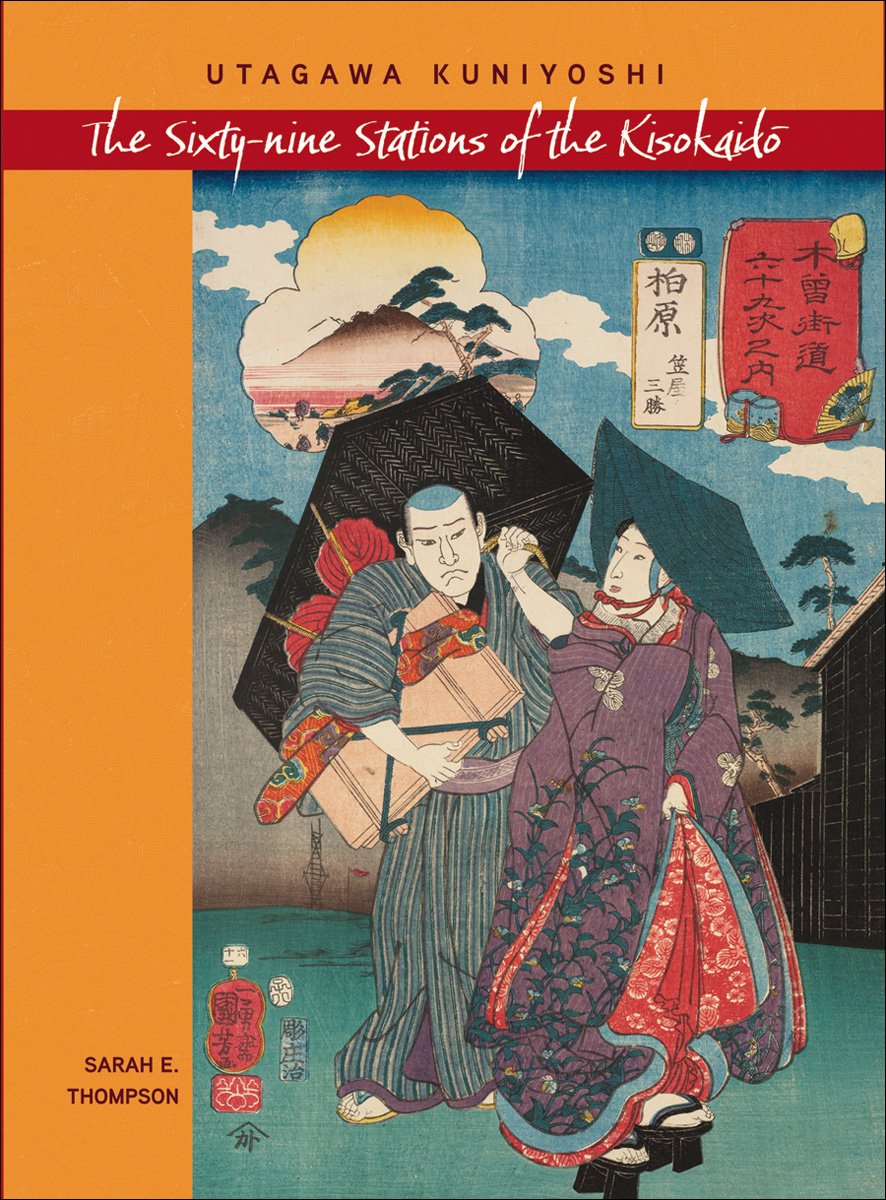
Utagawa Kuniyoshi: The Sixtynine Stations Of The Kisokaido
Sold by Ergodebooks, an authorized reseller.
Returns accepted within 30 days | support@ergodebooks.com
Shipping Information
- Free Standard Shipping — United States only
- Processing Time: 3–5 business days
- Estimated Delivery: 6–10 business days after dispatch
- Double-boxed, fully insured & discreetly packaged
- Tracking number sent via email once dispatched
Returns & Refund
Returns accepted within 30 days of delivery.
Damaged or Defective Item
Free return shipping + replacement or full refund
Wrong Item Received
Free return shipping + replacement or full refund
Change of Mind
Return shipping at customer's expense · 25% restocking fee applies
Payment Option

Originally Published In 1852 And 1853, The Sixtynine Stations Of The Kisokaido Is A Richly Entertaining Series Of Woodblock Prints Created By Master Artist Utagawa Kuniyoshi (Japanese, 17971861). The Seventytwo Finely Executed Prints Include One For Each Resting Point Along The Welltraveled Kisokaido (Kiso Road)A Historic Route Stretching From Edo (Modern Tokyo) To Kyotoplus Views Of The Two Endpoint Cities And An Additional Series Title Page. Kuniyoshi Never Traveled The Mountainous Kisokaido, But He Drew From Historic Events, Kabuki Plays, Popular Legends, And Classical Literature To Illustrate His Vision Of The Towns And Stations Along The Road.This Stunning Collection Of Colorful Ukiyoe Prints Exhibits Kuniyoshi'S Artistic Mastery And Clever Sense Of Humor. Each Work Incorporates Three Elements: The Main Picture, An Inset Landscape Depicting The Particular Station, And A Title Block. Using Parody And Pun (Both For Humor And To Avoid Government Censorship), Kuniyoshi Associated Each Point On The Route With One Of The Most Beloved Stories Of His Dayfrom A Reimagined Odyssey To The Japanese Fairy Tale Of Urashima To Popular Kabuki Scenes With Courtesans And Other Floating World Characters. He Made That Story The Subject Of The Main Picture And Put Clues To Its Identity In The Title Block. Kuniyoshi Delighted In These Hidden Messages And Used Every Inch Of The Paper To Tell His Story.Utagawa Kuniyoshi: The Sixtynine Stations Of The Kisokaido Celebrates The Beauty, Charm, And Ingenuity Of Kuniyoshi'S Work With More Than Seventyfive Fullcolor Illustrations, Including Reproductions Of All The Prints In The Treasured Series. Sarah E. Thompson Provides An Introductory Essay On The History Of Ukiyoe And A Description Of Each Print.
⚠️ WARNING (California Proposition 65):
This product may contain chemicals known to the State of California to cause cancer, birth defects, or other reproductive harm.
For more information, please visit www.P65Warnings.ca.gov.
- Q: How many pages does this book have? A: This book has one hundred sixty-four pages. It features a detailed exploration of Utagawa Kuniyoshi's woodblock prints.
- Q: What is the binding type of this book? A: This book is bound in hardcover. The durable binding helps protect the beautiful illustrations and text.
- Q: What are the dimensions of 'Utagawa Kuniyoshi: The Sixty-nine Stations of the Kisokaido'? A: The dimensions of this book are seven point twenty-five inches in length, one inch in width, and nine point seventy-six inches in height.
- Q: Who is the author of this book? A: The author of this book is Sarah E. Thompson. She provides insightful commentary on the history of ukiyo-e.
- Q: What category does this book belong to? A: This book belongs to the Criticism category. It critically examines the art and stories of Utagawa Kuniyoshi.
- Q: How do I read this book? A: You can read this book like any other, starting from the first page and progressing to the last. It offers a blend of art and narrative.
- Q: Is this book suitable for children? A: Yes, this book is appropriate for older children and adults interested in art and Japanese culture. It features engaging stories and illustrations.
- Q: What themes are explored in this book? A: This book explores themes of Japanese folklore, kabuki plays, and the artistry of ukiyo-e prints. It highlights Kuniyoshi's creativity and humor.
- Q: How should I store this book? A: To store this book, keep it upright in a cool, dry place away from direct sunlight. This will help preserve the binding and illustrations.
- Q: Can I clean the book's cover? A: Yes, you can gently wipe the book's cover with a soft, dry cloth. Avoid using water or cleaning solutions to prevent damage.
- Q: What if my book arrives damaged? A: If your book arrives damaged, you should contact the seller for a return or replacement. Ensure to keep the original packaging for reference.
- Q: Is there a warranty on this book? A: No, there is typically no warranty on books. However, most sellers offer a return policy for damaged items.
- Q: What distinguishes this book from other art books? A: This book uniquely combines art and storytelling, featuring detailed explanations of each print alongside vibrant illustrations of Kuniyoshi's work.
- Q: Is this book a good gift for art lovers? A: Yes, this book makes an excellent gift for art lovers and those interested in Japanese history and culture. Its rich illustrations and context add value.
- Q: What is the condition of the book? A: The book is classified as used but in good condition. It should have minimal wear and be suitable for reading and display.