
Title
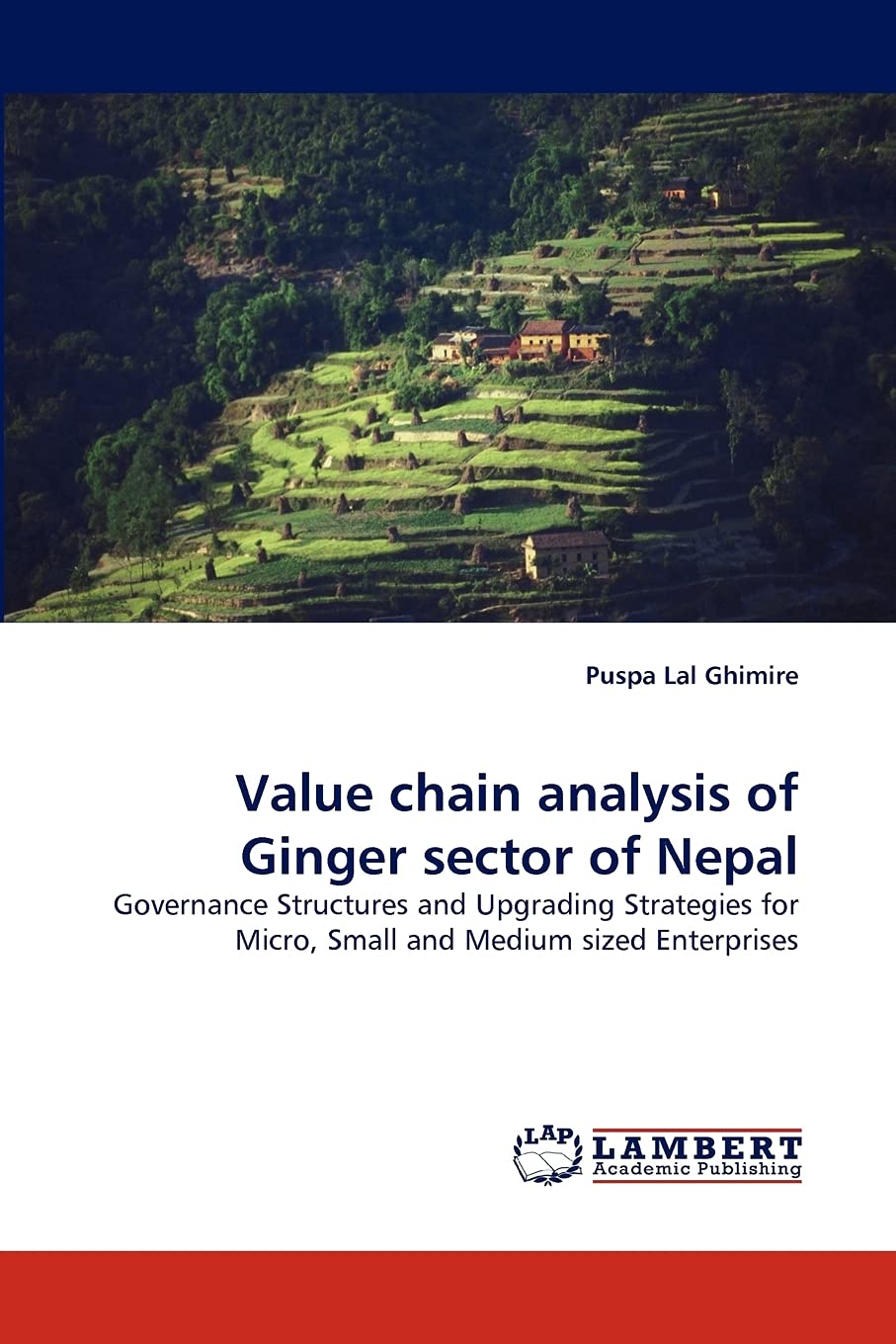
Value chain analysis of Ginger sector of Nepal: Governance Structures and Upgrading Strategies for Micro, Small and Medium sized,Used
Sold by Ergodebooks, an authorized reseller.
Returns accepted within 30 days | support@ergodebooks.com
Shipping Information
- Free Standard Shipping — United States only
- Processing Time: 3–5 business days
- Estimated Delivery: 6–10 business days after dispatch
- Double-boxed, fully insured & discreetly packaged
- Tracking number sent via email once dispatched
Returns & Refund
Returns accepted within 30 days of delivery.
Damaged or Defective Item
Free return shipping + replacement or full refund
Wrong Item Received
Free return shipping + replacement or full refund
Change of Mind
Return shipping at customer's expense · 25% restocking fee applies
Payment Option

The paradigm shift in marketing from mass production to product customization targeting to satisfy the consumers' interest along with fair and equitable benefit distribution among the actors emerged the value chain approach. This approach is not only limited as a marketing tool but also as a reliable tool for poverty alleviation. In developing countries, agriculture value chain is less competitive because the producer are mostly small, upgrading activities at local level are minimum and there is lack of good governance practices among the chain actors. This manuscript provides greater insights into upgrading and governance structure of agriculture value chain with special focus on MSMEs. It takes the case of Ginger one of the important spice crops in Nepal and provides the ways forward to improve the situation of agriculture value chain in developing countries. The author targets this manuscript for the practitioners of value chain development,development agencies, donor communities, professionals of marketing and SME development, researchers and the policy makers.
⚠️ WARNING (California Proposition 65):
This product may contain chemicals known to the State of California to cause cancer, birth defects, or other reproductive harm.
For more information, please visit www.P65Warnings.ca.gov.