
Title

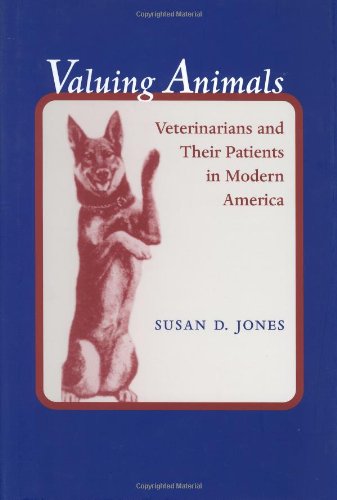
Valuing Animals: Veterinarians and Their Patients in Modern America (Animals, History, Culture),Used
Sold by Ergodebooks, an authorized reseller.
Returns accepted within 30 days | support@ergodebooks.com
Shipping Information
- Free Standard Shipping — United States only
- Processing Time: 3–5 business days
- Estimated Delivery: 6–10 business days after dispatch
- Double-boxed, fully insured & discreetly packaged
- Tracking number sent via email once dispatched
Returns & Refund
Returns accepted within 30 days of delivery.
Damaged or Defective Item
Free return shipping + replacement or full refund
Wrong Item Received
Free return shipping + replacement or full refund
Change of Mind
Return shipping at customer's expense · 25% restocking fee applies
Payment Option

Over the course of the twentieth century, the relationship between Americans and their domestic animals has changed dramatically. In the 1890s, pets were a luxury, horses were the primary mode of transport, and nearly half of all Americans lived or worked on farms. Today, the pet industry is a multibilliondollarayear business, keeping horses has become an expensive hobby, and consumers buy milk and meat in pristine supermarkets. Veterinarians have been very much a part of these changes in humananimal relationships. Indeed, the development of their professionfrom horse doctor to medical scientistprovides an important perspective on these significant transformations in America's social, cultural, and economic history.In Valuing Animals, Susan D. Jones, trained as both veterinarian and historian, traces the rise of veterinary medicine and its impact on the often conflicting ways in which Americans have assessed the utility and worth of domesticated creatures. She first looks at how the eclipse of the horse by motorized vehicles in the early years of the century created a crisis for veterinary education, practice, and research. In response, veterinarians intensified their activities in making the livestock industry more sanitary and profitable. Beginning in the 1930s, veterinarians turned to the burgeoning number of house pets whose sentimental value to their owners translated into new market opportunities. Jones describes how vets overcame their initial doubts about the significance of this market and began devising new treatments and establishing appropriate standards of care, helping to create modern pet culture.Americans today value domestic animals for reasons that typically combine exploitation and companionship. Both controversial and compelling, Valuing Animals uncovers the extent to which veterinary medicine has shapedand been shaped bythis contradictory attitude.
⚠️ WARNING (California Proposition 65):
This product may contain chemicals known to the State of California to cause cancer, birth defects, or other reproductive harm.
For more information, please visit www.P65Warnings.ca.gov.