
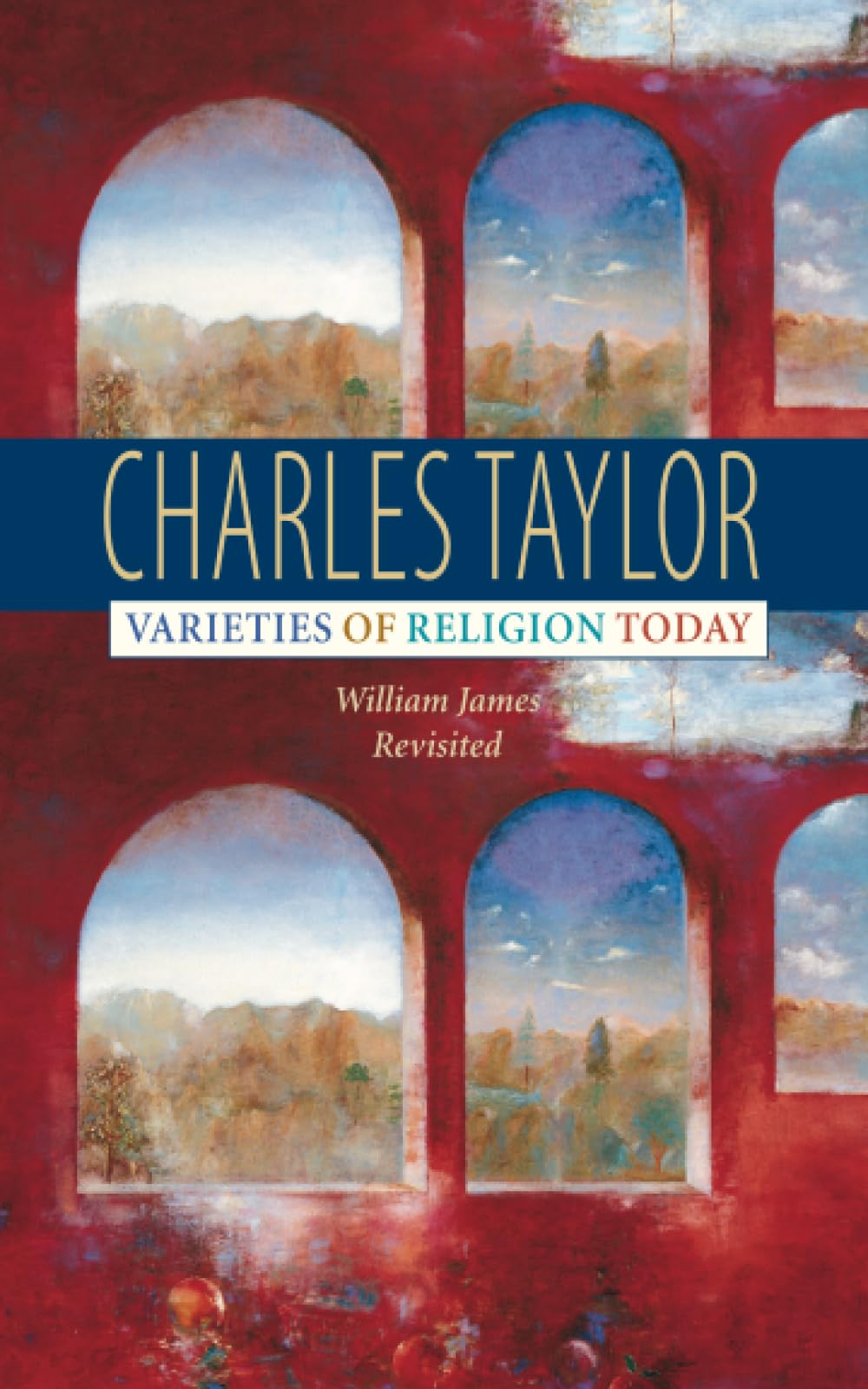
Title


Varieties of Religion Today: William James Revisited (Institute for Human Sciences Vienna Lecture Series),Used
Sold by Ergodebooks, an authorized reseller.
Returns accepted within 30 days | support@ergodebooks.com
Shipping Information
- Free Standard Shipping — United States only
- Processing Time: 3–5 business days
- Estimated Delivery: 6–10 business days after dispatch
- Double-boxed, fully insured & discreetly packaged
- Tracking number sent via email once dispatched
Returns & Refund
Returns accepted within 30 days of delivery.
Damaged or Defective Item
Free return shipping + replacement or full refund
Wrong Item Received
Free return shipping + replacement or full refund
Change of Mind
Return shipping at customer's expense · 25% restocking fee applies
Payment Option

Varieties of Religion Today is a provocative, witty, and worthy conversation with Jamess timeless work. Publishers WeeklyA hundred years after William James delivered the celebrated lectures that became The Varieties of Religious Experience, one of the foremost thinkers in the Englishspeaking world returns to the questions posed in Jamess masterpiece to clarify the circumstances and conditions of religion in our day. An elegant mix of the philosophy and sociology of religion, Charles Taylors powerful book maintains a clear perspective on Jamess work in its historical and cultural contexts, while casting a new and revealing light upon the present.Lucid, readable, and dense with ideas that promise to transform current debates about religion and secularism, Varieties of Religion Today is much more than a revisiting of Jamess classic. Rather, it places Jamess analysis of religious experience and the dilemmas of doubt and belief in an unfamiliar but illuminating context, namely the social horizon in which questions of religion come to be presented to individuals in the first place.Taylor begins with questions about the way in which James conceives his subject, and shows how these questions arise out of different ways of understanding religion that confronted one another in Jamess time and continue to do so today. Evaluating Jamess treatment of the ethics of belief, he goes on to develop an innovative and provocative reading of the public and cultural conditions in which questions of belief or unbelief are perceived to be individual questions. What emerges is a remarkable and penetrating view of the relation between religion and social order and, ultimately, of what religion means.
⚠️ WARNING (California Proposition 65):
This product may contain chemicals known to the State of California to cause cancer, birth defects, or other reproductive harm.
For more information, please visit www.P65Warnings.ca.gov.