
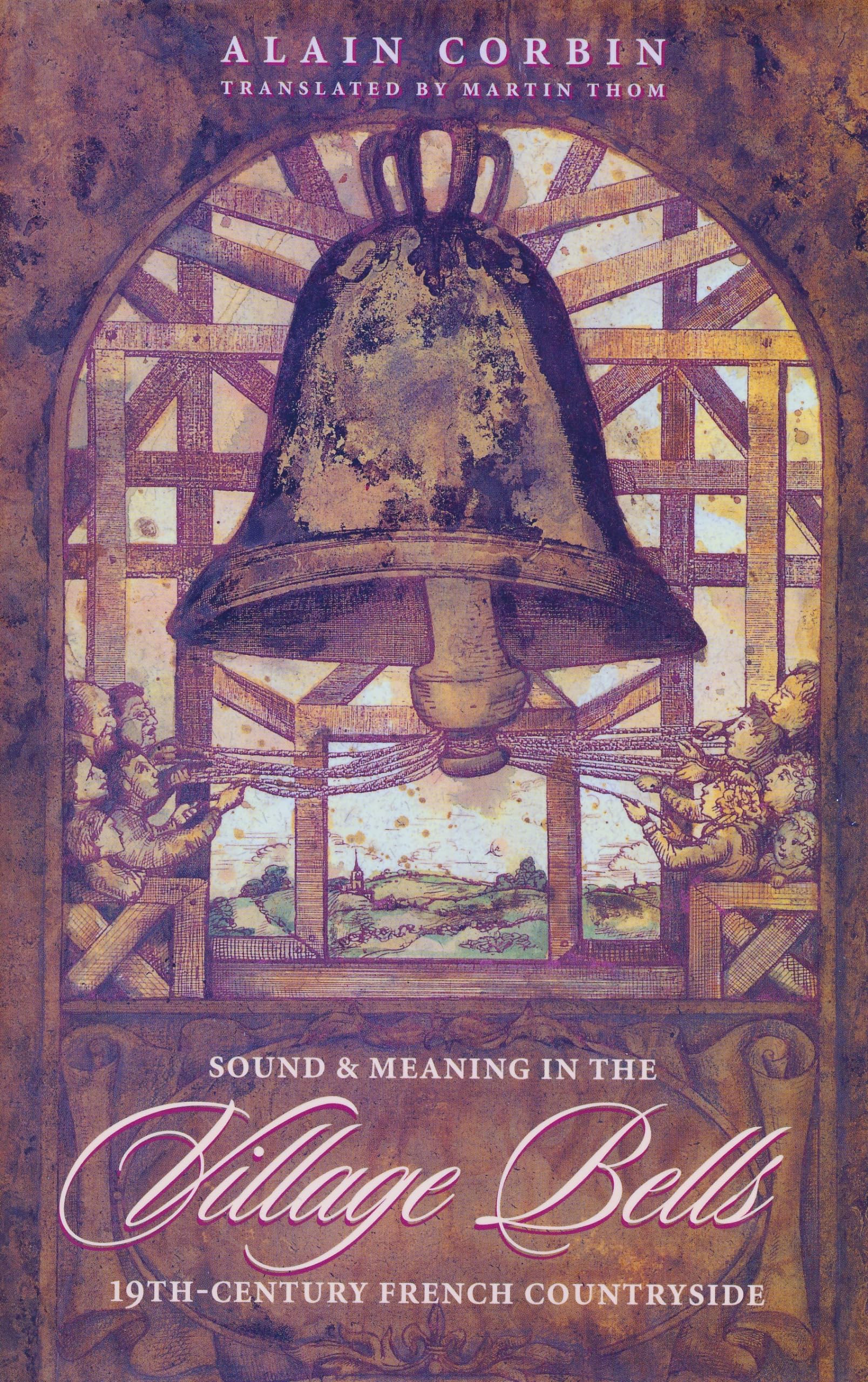
Title
Village Bells,Used
Sold by Ergodebooks, an authorized reseller.
Returns accepted within 30 days | support@ergodebooks.com
Shipping Information
- Free Standard Shipping — United States only
- Processing Time: 3–5 business days
- Estimated Delivery: 6–10 business days after dispatch
- Double-boxed, fully insured & discreetly packaged
- Tracking number sent via email once dispatched
Returns & Refund
Returns accepted within 30 days of delivery.
Damaged or Defective Item
Free return shipping + replacement or full refund
Wrong Item Received
Free return shipping + replacement or full refund
Change of Mind
Return shipping at customer's expense · 25% restocking fee applies
Payment Option

In the French canton of Brienne in November 1799, local authorities were scandalized when a crowd of girls broke through the doors of the church and rang the bells in order to mark the festival of St. Catherine. Religious use of the bells was forbidden by law, but the villagers boldly insisted on their right to celebrate with peals the feast of a beloved saint. So begins Village Bells, Alain Corbin's exploration of the 'auditory landscape' of nineteenthcentury France, a story of lost sensory experiences and forgotten passions. In the nineteenth century, these instruments were symbols of their towns and objects of both ecclesiastic and civic pride. Bellringing served practical purposes of communication, marking both religious and secular time, as well as calling citizens to pray, assemble, take arms, or beware of danger. As Corbin shows, the bells also reflected the social, political, and religious struggles of the time. To control the bells was to control the symbolic order, rhythm, and loyalties of French village and country life.Using church archives and local documents, Corbin forges a unique history of the role of bells from the aftermath of the Revolution to the dawn of the twentieth century. He charts how the First Republic (17921804) moved toward a more secular society, turning many bells into coins and cannonballs and seizing others as property of the state. A gradual return to the religious use of bells occurred in the nineteenth century, even as their new secular roles were maintained. Corbin describes the battles over the marking of religious versus secular time, as calls to prayer, the celebration of religious feasts, and the marking of rites of passagebaptism, marriage, and deathcompeted with tolls indicating the passing hours or marking assemblies, elections, or republican holidays.Thoroughly documented and recounted with intriguing narratives, Village Bells provides an original approach to nineteenthcentury French cultural, social, and political history. As Corbin notes, the bells are no longer essential to our livestheir qualitative, sacred time and space replaced by the quantitative, secular measures of the clockbut by understanding their lost symbolic and practical importance we open a window onto the age in which they rang.
⚠️ WARNING (California Proposition 65):
This product may contain chemicals known to the State of California to cause cancer, birth defects, or other reproductive harm.
For more information, please visit www.P65Warnings.ca.gov.