
Title
Violence: A Microsociological Theory,Used
Sold by Ergodebooks, an authorized reseller.
Returns accepted within 30 days | support@ergodebooks.com
Shipping Information
- Free Standard Shipping — United States only
- Processing Time: 3–5 business days
- Estimated Delivery: 6–10 business days after dispatch
- Double-boxed, fully insured & discreetly packaged
- Tracking number sent via email once dispatched
Returns & Refund
Returns accepted within 30 days of delivery.
Damaged or Defective Item
Free return shipping + replacement or full refund
Wrong Item Received
Free return shipping + replacement or full refund
Change of Mind
Return shipping at customer's expense · 25% restocking fee applies
Payment Option

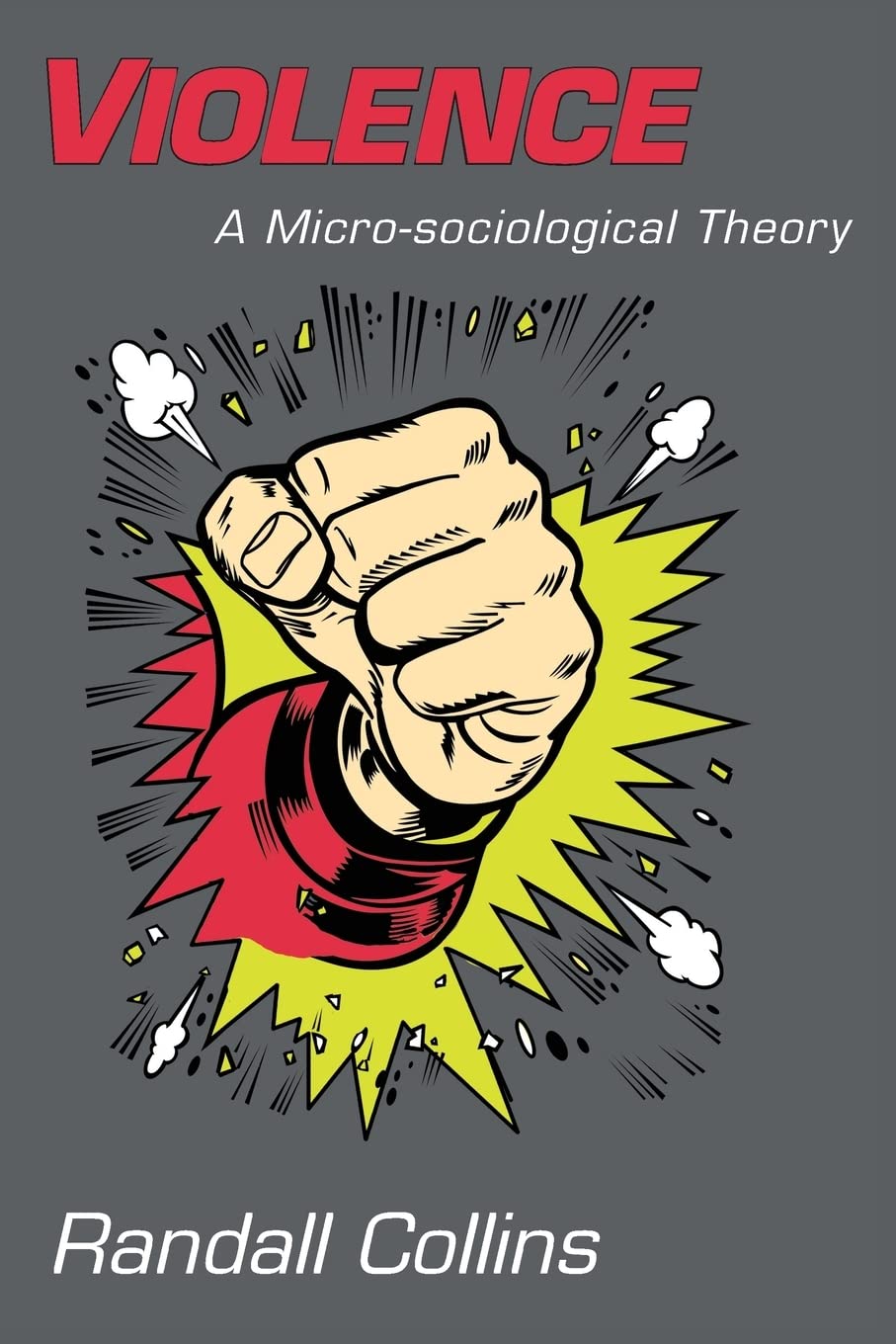
In the popular misconception fostered by blockbuster action movies and bestselling thrillersnot to mention conventional explanations by social scientistsviolence is easy under certain conditions, like poverty, racial or ideological hatreds, or family pathologies. Randall Collins challenges this view in Violence, arguing that violent confrontation goes against human physiological hardwiring. It is the exception, not the ruleregardless of the underlying conditions or motivations.Collins gives a comprehensive explanation of violence and its dynamics, drawing upon video footage, cuttingedge forensics, and ethnography to examine violent situations up close as they actually happenand his conclusions will surprise you. Violence comes neither easily nor automatically. Antagonists are by nature tense and fearful, and their confrontational anxieties put up a powerful emotional barrier against violence. Collins guides readers into the very real and disturbing worlds of human discordfrom domestic abuse and schoolyard bullying to muggings, violent sports, and armed conflicts. He reveals how the fog of war pervades all violent encounters, limiting people mostly to bluster and bluff, and making violence, when it does occur, largely incompetent, often injuring someone other than its intended target. Collins shows how violence can be triggered only when pathways around this emotional barrier are presented. He explains why violence typically comes in the form of atrocities against the weak, ritualized exhibitions before audiences, or clandestine acts of terrorism and murderand why a small number of individuals are competent at violence.Violence overturns standard views about the root causes of violence and offers solutions for confronting it in the future.
⚠️ WARNING (California Proposition 65):
This product may contain chemicals known to the State of California to cause cancer, birth defects, or other reproductive harm.
For more information, please visit www.P65Warnings.ca.gov.