
Title
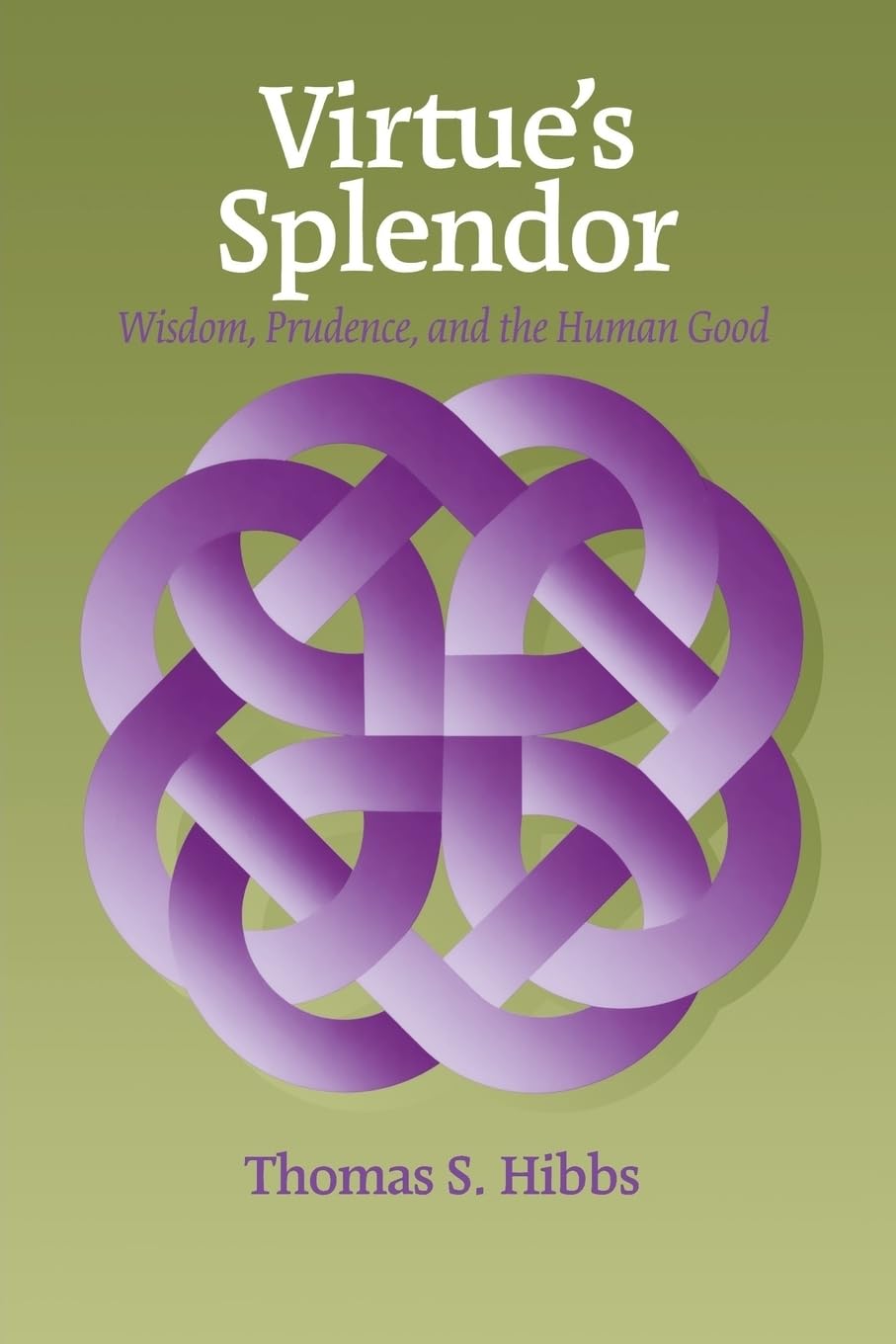
Virtue'S Splendor: Wisdom, Prudence, And The Human Good (Moral Philosophy And Moral Theology)
Sold by Ergodebooks, an authorized reseller.
Returns accepted within 30 days | support@ergodebooks.com
Shipping Information
- Free Standard Shipping — United States only
- Processing Time: 3–5 business days
- Estimated Delivery: 6–10 business days after dispatch
- Double-boxed, fully insured & discreetly packaged
- Tracking number sent via email once dispatched
Returns & Refund
Returns accepted within 30 days of delivery.
Damaged or Defective Item
Free return shipping + replacement or full refund
Wrong Item Received
Free return shipping + replacement or full refund
Change of Mind
Return shipping at customer's expense · 25% restocking fee applies
Payment Option

In Recent Years, There Has Been A Remarkable Resurgence Of Interest In Classical Conceptions Of What It Means For Human Beings To Lead A Good Life. Although The Primary Focus Of The Return To Classical Thought Has Been Aristotles Account Of Virtue, The Ethics Of Aquinas Has Also Received Much Attention. Our Understanding Of The Integrity Of Aquinass Thought Has Clearly Benefited From The Recovery Of The Ethics Of Virtue.Understood From Either A Natural Or A Supernatural Perspective, The Good Life According To Aquinas Involves The Exercise Not Just Of The Moral Virtues, But Also Of The Intellectual Virtues. Following Aristotle, Aquinas Divides The Intellectual Virtues Into The Practical, Which Have Either Doing (Prudence) Or Making (Art) As An End, And The Theoretical Or Speculative, Which Are Ordered To Knowing For Its Own Sake (Understanding, Knowledge, And Wisdom). One Of The Intellectual Virtues, Namely, Prudence Has Received Much Recent Attention. With Few Exceptions, However, Contemporary Discussions Of Aquinas Ignore The Complex And Nuanced Relationships Among, And Comparisons Between, The Different Sorts Of Intellectual Virtue. Even More Striking Is The General Neglect Of The Speculative, Intellectual Virtues And The Role Of Contemplation In The Good Life.In Virtues Splendor Professor Hibbs Seeks To Overcome This Neglect, Approaching The Ethical Thought Of Thomas Aquinas In Terms Of The Great Debate Of Antiquity And The Middle Ages Concerning The Rivalry Between The Active And The Contemplative Lives, Between Prudence And Wisdom As Virtues Perfective Of Human Nature. In Doing So, He Puts Before The Reader The Breadth Of Aquinass Vision Of The Good Life.
⚠️ WARNING (California Proposition 65):
This product may contain chemicals known to the State of California to cause cancer, birth defects, or other reproductive harm.
For more information, please visit www.P65Warnings.ca.gov.
- Q: How many pages does this book have? A: This book has two hundred forty-six pages. It provides an in-depth exploration of Aquinas's ethical thought.
- Q: What are the dimensions of this book? A: The book measures eight point nine inches in length, five point eight inches in height, and zero point five one inches in width.
- Q: What type of binding does this book have? A: This book is available in paperback binding. This makes it lightweight and easy to handle.
- Q: Who is the author of this book? A: The author of this book is Thomas Hibbs. He explores the concepts of virtue and morality in depth.
- Q: What is the genre of this book? A: This book falls under the category of Ethics and Morality. It delves into philosophical discussions on the good life.
- Q: Is this book suitable for beginners in philosophy? A: Yes, this book is suitable for beginners. It provides clear explanations of complex ethical concepts.
- Q: What themes are covered in this book? A: The book covers themes such as virtue, prudence, and the human good. It also discusses the relationship between active and contemplative lives.
- Q: How does this book approach Aquinas's ethics? A: The book approaches Aquinas's ethics by examining the rivalry between prudence and wisdom. It highlights the significance of both in achieving the good life.
- Q: Can this book be used for academic studies? A: Yes, this book is suitable for academic studies. It provides insights that are beneficial for students of moral philosophy.
- Q: How should I store this book? A: Store this book in a cool, dry place, away from direct sunlight. This will help preserve its condition.
- Q: Is there any special care needed for this book? A: No special care is required for this book. Just handle it gently to avoid wear and tear.
- Q: What if my book arrives damaged? A: If your book arrives damaged, you can request a return or exchange. Contact customer support for assistance.
- Q: Are there any common issues with this book? A: Common issues may include printing errors or binding defects. Check the book upon arrival and report any issues.
- Q: Can I find this book in libraries? A: Yes, this book is likely available in academic libraries. Check your local library's catalog for availability.
- Q: Is this book recommended for philosophy enthusiasts? A: Yes, this book is highly recommended for philosophy enthusiasts. It offers a rich analysis of Aquinas's ethical framework.
- Q: Does this book include any references or citations? A: Yes, the book includes references and citations for further reading. This enhances its credibility and scholarly value.