
Title
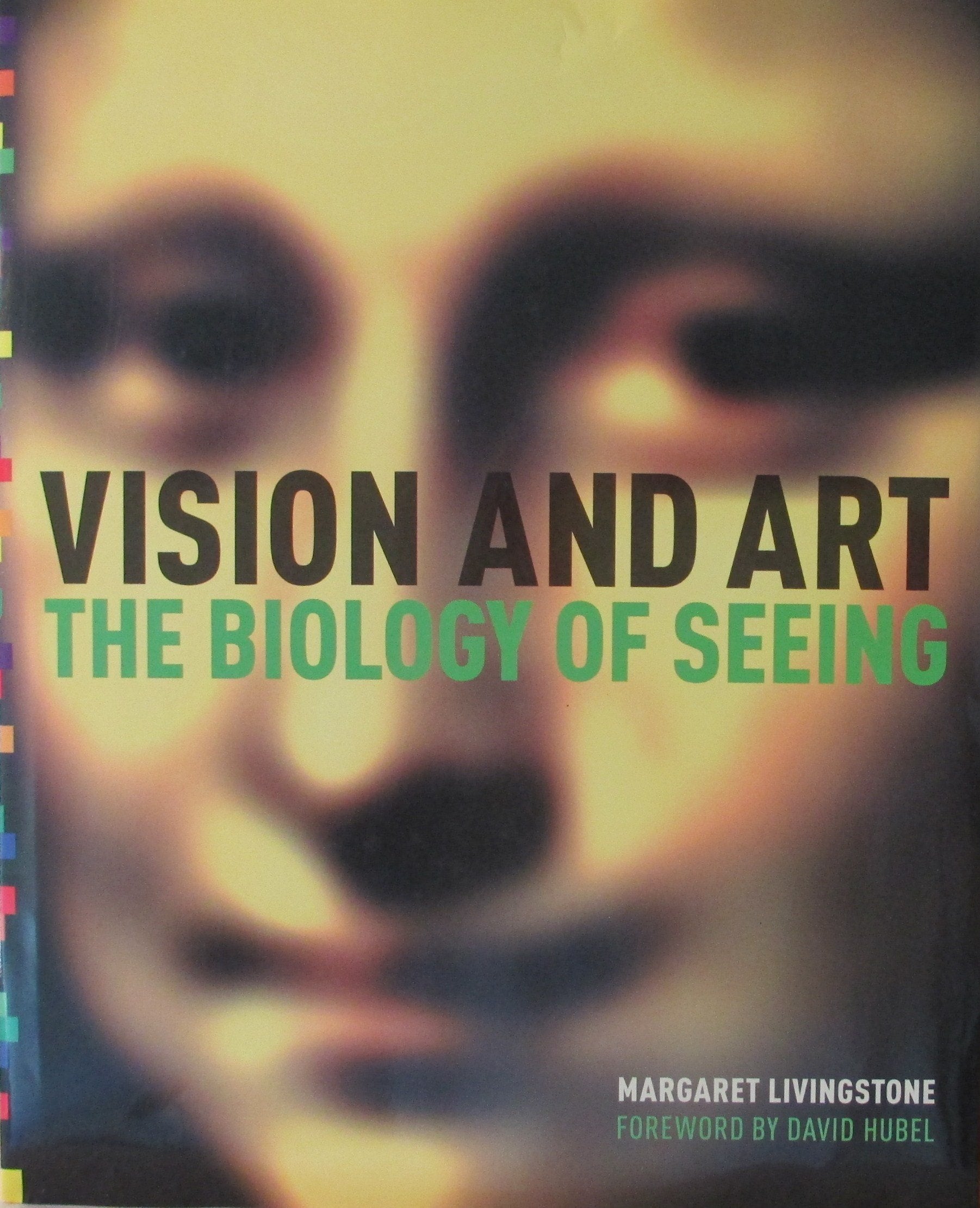
Vision And Art: The Biology Of Seeing
Sold by Ergodebooks, an authorized reseller.
Returns accepted within 30 days | support@ergodebooks.com
Shipping Information
- Free Standard Shipping — United States only
- Processing Time: 3–5 business days
- Estimated Delivery: 6–10 business days after dispatch
- Double-boxed, fully insured & discreetly packaged
- Tracking number sent via email once dispatched
Returns & Refund
Returns accepted within 30 days of delivery.
Damaged or Defective Item
Free return shipping + replacement or full refund
Wrong Item Received
Free return shipping + replacement or full refund
Change of Mind
Return shipping at customer's expense · 25% restocking fee applies
Payment Option

A Harvard Neurobiologist Explains How Vision Works, Citing The Scientific Origins Of Artistic Genius And Providing Coverage Of Such Topics As Optical Illusions And The Correlation Between Learning Disabilities And Artistic Skill.
⚠️ WARNING (California Proposition 65):
This product may contain chemicals known to the State of California to cause cancer, birth defects, or other reproductive harm.
For more information, please visit www.P65Warnings.ca.gov.
- Q: How many pages are in 'Vision and Art: The Biology of Seeing'? A: This book contains two hundred eight pages. It offers a comprehensive look at how vision influences artistic skills.
- Q: What is the binding type of this book? A: The binding type is hardcover. This ensures durability and a quality reading experience.
- Q: What are the dimensions of 'Vision and Art: The Biology of Seeing'? A: The dimensions are nine and a half inches by eleven and thirty-eight inches by zero point eighty-eight inches. These dimensions make it a substantial and visually engaging book.
- Q: Who is the author of this book? A: The author is Margaret Livingstone. She is a Harvard neurobiologist known for her work in vision science.
- Q: What genre does 'Vision and Art: The Biology of Seeing' belong to? A: This book belongs to the Criticism genre. It explores the intersection of neuroscience and art.
- Q: How should I read 'Vision and Art: The Biology of Seeing'? A: You can read it as a casual exploration or for academic purposes. It's suitable for anyone interested in art and science.
- Q: Is 'Vision and Art: The Biology of Seeing' suitable for children? A: Yes, but it is recommended for older children and teenagers. The scientific concepts may be complex for younger readers.
- Q: Can this book be used for a research project? A: Yes, it is an excellent resource for research. It provides scientific insights into vision and artistic talent.
- Q: How should I care for this hardcover book? A: Keep it in a dry, cool place away from direct sunlight. Use a book cover to protect it from wear.
- Q: Is 'Vision and Art: The Biology of Seeing' in good condition? A: Yes, it is a used book in good condition. It has been well-maintained despite being pre-owned.
- Q: What should I do if the book arrives damaged? A: Contact the seller for a return or exchange. Most sellers have policies to handle damaged items.
- Q: Is there a warranty for this book? A: No, books typically do not come with a warranty. However, check the seller's return policy.
- Q: How do I store 'Vision and Art: The Biology of Seeing'? A: Store it upright on a shelf or in a bookcase. Avoid stacking heavy items on top of it to prevent damage.
- Q: What themes are covered in this book? A: The book covers themes like optical illusions, artistic genius, and the correlation between learning disabilities and artistic skill.
- Q: Is this book a good choice for art students? A: Yes, it is highly beneficial for art students. It connects biological understanding with artistic practice.
- Q: Can I buy 'Vision and Art: The Biology of Seeing' online? A: Yes, it is available for purchase online at various retailers. Check for the best price and condition options.