
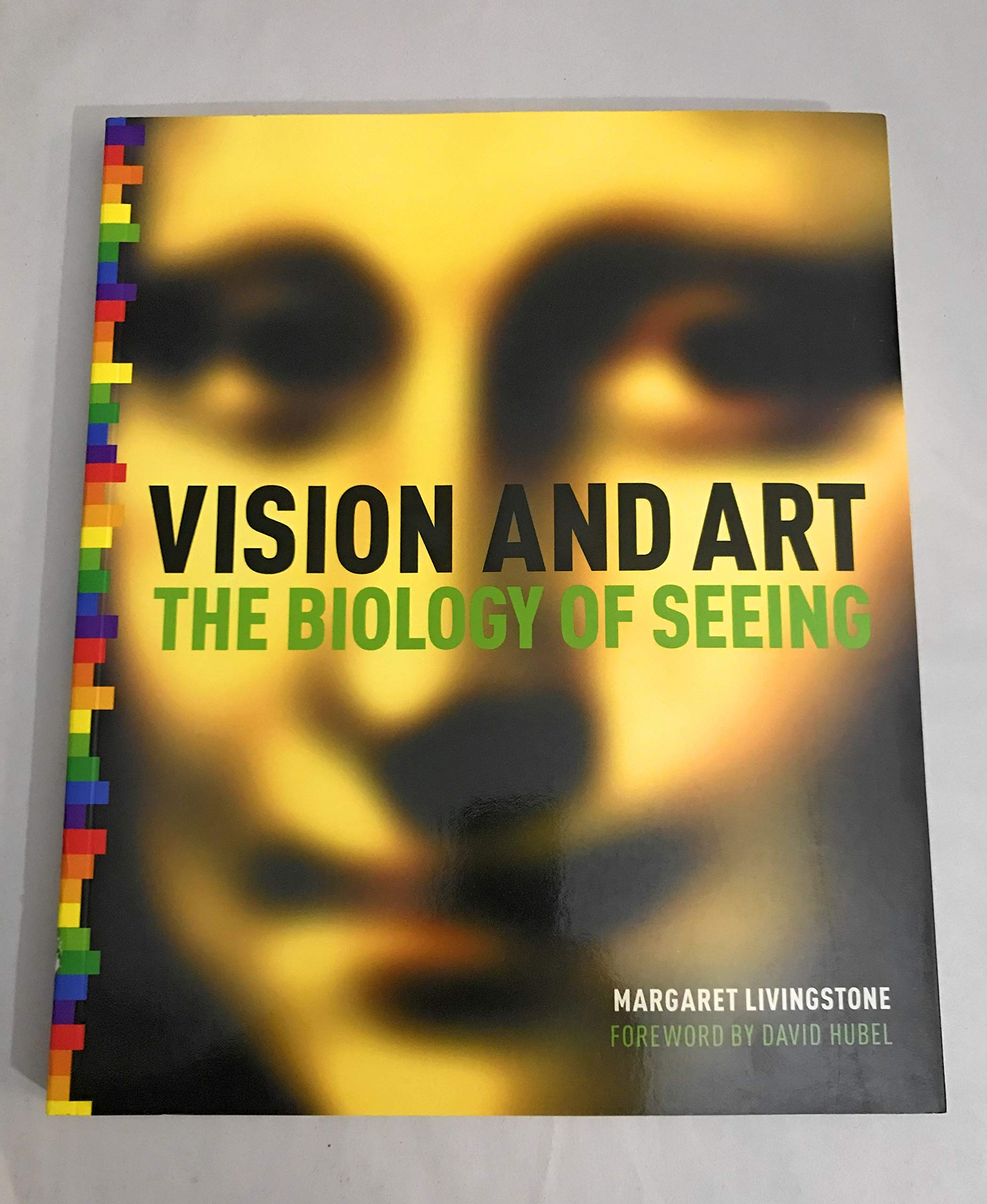
Title
Vision And Art: The Biology Of Seeing,Used
Sold by Ergodebooks, an authorized reseller.
Returns accepted within 30 days | support@ergodebooks.com
Shipping Information
- Free Standard Shipping — United States only
- Processing Time: 3–5 business days
- Estimated Delivery: 6–10 business days after dispatch
- Double-boxed, fully insured & discreetly packaged
- Tracking number sent via email once dispatched
Returns & Refund
Returns accepted within 30 days of delivery.
Damaged or Defective Item
Free return shipping + replacement or full refund
Wrong Item Received
Free return shipping + replacement or full refund
Change of Mind
Return shipping at customer's expense · 25% restocking fee applies
Payment Option

Now In Paperback, This Groundbreaking Study By Harvard Neurobiologist Margaret Livingstone Explores The Inner Workings Of Vision, Demonstrating That How We See Art Depends Ultimately On The Cells In Our Eyes And Our Brains.In Vision And Art, Livingstone Explains How Great Painters Fool The Brain: Why Mona Lisas Smile Seems So Mysterious, Monets Poppy Field Appears To Sway In The Breeze, Mondrians Broadway Boogie Woogie Blinks Like The Lights Of Times Square, And Warhols Electric Chair Pulses With Current.Drawing On History And Her Own Cutting Edge Discoveries, Livingstone Offers Intriguing Insights, From Explanations Of Common Optical Illusions, To Speculations On The Correlation Of Learning Disabilities With Artistic Skill. By Skillfully Bridging The Space Between Science And Art, Vision And Art Will Both Arm Artists And Designers With New Techniques That They Can Use In Their Own Craft, And Thrill Any Reader With An Interest In The Biology Of Human Vision.
⚠️ WARNING (California Proposition 65):
This product may contain chemicals known to the State of California to cause cancer, birth defects, or other reproductive harm.
For more information, please visit www.P65Warnings.ca.gov.
- Q: How many pages are in the book Vision and Art? A: There are two hundred eight pages in Vision and Art. This length allows for an in-depth exploration of the biology of seeing.
- Q: What are the dimensions of Vision and Art? A: The book measures nine point zero two inches in length, zero point six three inches in width, and eleven inches in height. These dimensions make it a standard-sized paperback.
- Q: What type of binding does Vision and Art have? A: Vision and Art has a paperback binding. This makes it lightweight and easy to handle, perfect for reading or display.
- Q: Who is the author of Vision and Art? A: The author of Vision and Art is Margaret S. Livingstone. She is a Harvard neurobiologist known for her research on vision and art.
- Q: What genre does Vision and Art belong to? A: Vision and Art falls under the Criticism genre. It bridges the fields of art and science through the lens of biology.
- Q: What is the main focus of Vision and Art? A: The main focus of Vision and Art is to explore the biology of seeing and how it influences our perception of art. It discusses how the brain interprets visual stimuli.
- Q: How can I use the insights from Vision and Art? A: Readers can apply insights from Vision and Art to enhance their artistic techniques. The book offers new approaches for artists and designers based on scientific findings.
- Q: Is Vision and Art suitable for all ages? A: Yes, Vision and Art is suitable for a general audience, including students and art enthusiasts. It does not contain adult content and is educational.
- Q: How does Vision and Art explain optical illusions? A: Vision and Art explains optical illusions by detailing the brain's interpretation of visual information. It provides examples from famous artworks to illustrate these concepts.
- Q: Can beginners understand Vision and Art? A: Yes, beginners can understand Vision and Art. The author presents complex ideas in a clear and engaging manner, making it accessible to a wide audience.
- Q: What should I do if my copy of Vision and Art arrives damaged? A: If your copy of Vision and Art arrives damaged, you should contact the retailer for a return or exchange. Most retailers have customer service policies in place for such issues.
- Q: Is there a warranty for Vision and Art? A: No, Vision and Art does not come with a warranty. However, it is typically covered by the retailer's return policy.
- Q: How should I store my copy of Vision and Art? A: You should store your copy of Vision and Art in a cool, dry place away from direct sunlight. This helps preserve the paperback binding and prevent damage.
- Q: Are there any care instructions for Vision and Art? A: There are no specific care instructions for Vision and Art. However, keeping it clean and dry will help maintain its condition.
- Q: What makes Vision and Art different from other art criticism books? A: Vision and Art is unique because it combines scientific research on vision with art criticism. This interdisciplinary approach offers fresh insights into both fields.
- Q: Does Vision and Art discuss learning disabilities? A: Yes, Vision and Art discusses speculations on the correlation of learning disabilities with artistic skill. It provides a unique perspective on how these elements interact.