
Title
Visions of Paradise: Glimpses of Our Landscape's Legacy,New
Sold by Ergodebooks, an authorized reseller.
Returns accepted within 30 days | support@ergodebooks.com
Shipping Information
- Free Standard Shipping — United States only
- Processing Time: 3–5 business days
- Estimated Delivery: 6–10 business days after dispatch
- Double-boxed, fully insured & discreetly packaged
- Tracking number sent via email once dispatched
Returns & Refund
Returns accepted within 30 days of delivery.
Damaged or Defective Item
Free return shipping + replacement or full refund
Wrong Item Received
Free return shipping + replacement or full refund
Change of Mind
Return shipping at customer's expense · 25% restocking fee applies
Payment Option

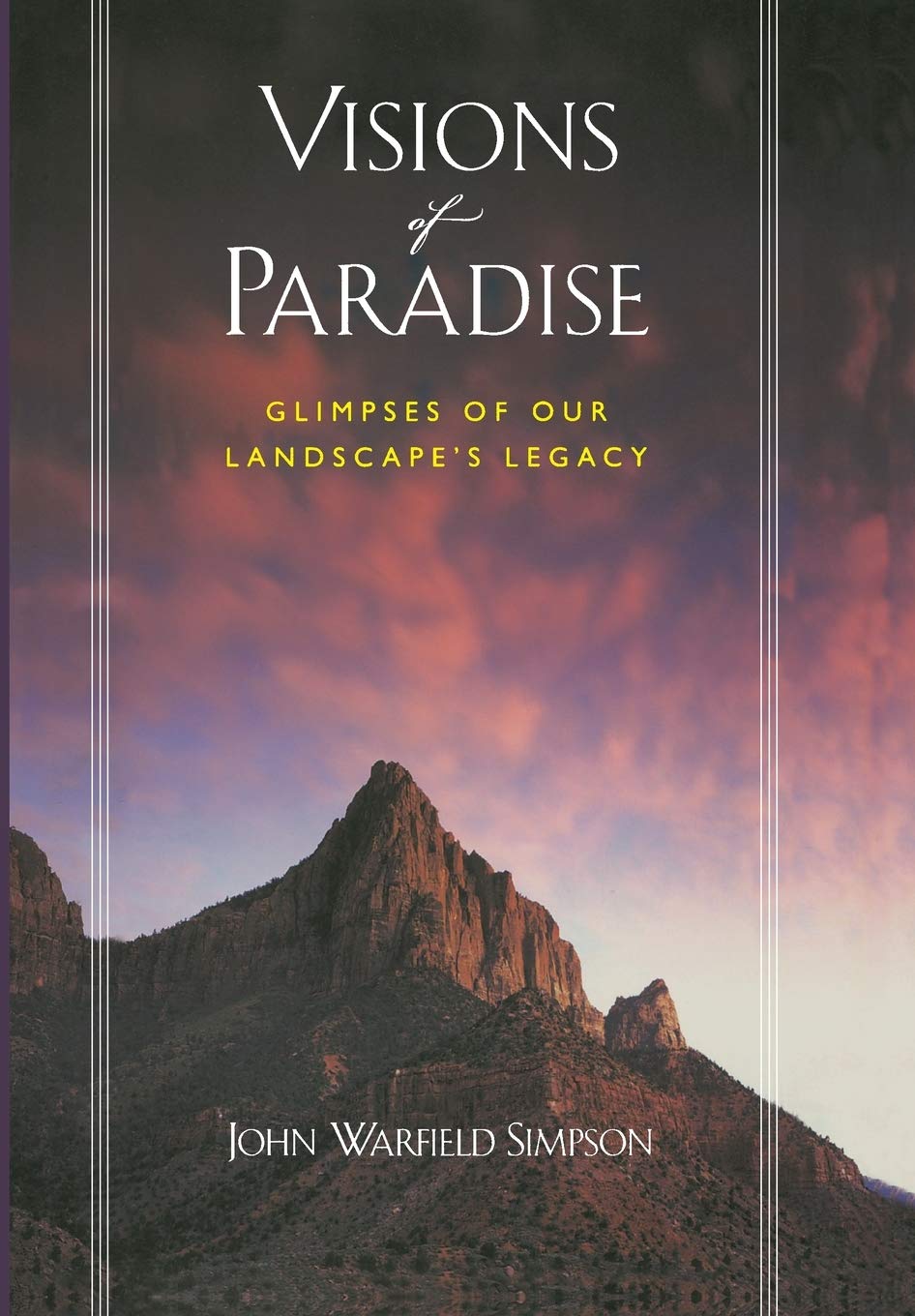
The American Revolution gave birth not just to a new nation, but to a new landscape. America was paradise to its native inhabitants, while to the colonists, it was an unlimited land of opportunity, a moral and physical wilderness from which they could create paradise. Powerful people like Thomas Jefferson and Alexander Hamilton struggled to shape it to their opposing visions. Over the ensuing two hundred years, many other visions shaped the American landscape. Today, their imprints form a complex layering of messagespast and present, physical and cultural, public and private, local and nationalthat tell a story of many interwoven meanings. John Warfield Simpson traces this fascinating story in Visions of Paradise, providing a fresh perspective from which to understand not only our landscape but also the way we steward our environment.Simpson describes the transformation of America from wilderness into an agrarian and suburban landscape as the nation expanded westward after the Revolution. He highlights the role of influential people in this transformation and the critical policies and programs they used to acquire, survey, and dispose of the public domain. He shows how their actions reflected changes in our traditional values that considered land as property and a commodity primarily for functional use.This transformation in values has yielded a landscape of contradictions: It is at once a landscape of freedom and opportunity, order and disorder, permanence and transience. Ours is an egalitarian and litigated landscape shaped by reason and mobility, he argues, one that reflects our historical sense of separation from and superiority over a limitless land of endless abundance and resilience. These perceptions, he shows, have blinded us to the environmental consequences of our actions and created a people who behave as though they are temporary occupants of the land rather than residents who enjoy a deep connection to the land. That connection, he concludes, holds the key to our contemporary environmental debate.
⚠️ WARNING (California Proposition 65):
This product may contain chemicals known to the State of California to cause cancer, birth defects, or other reproductive harm.
For more information, please visit www.P65Warnings.ca.gov.