If you have any questions, you are always welcome to contact us. We'll get back to you as soon as possible, withing 24 hours on weekdays.
Customer service
All questions about your order, return and delivery must be sent to our customer service team by e-mail at yourstore@yourdomain.com
Sale & Press
If you are interested in selling our products, need more information about our brand or wish to make a collaboration, please contact us at press@yourdomain.com
Help
If you have any questions, you are always welcome to contact us. We'll get back to you as soon as possible, withing 24 hours on weekdays.
Customer service
All questions about your order, return and delivery must be sent to our customer service team by e-mail at yourstore@yourdomain.com
Sale & Press
If you are interested in selling our products, need more information about our brand or wish to make a collaboration, please contact us at press@yourdomain.com
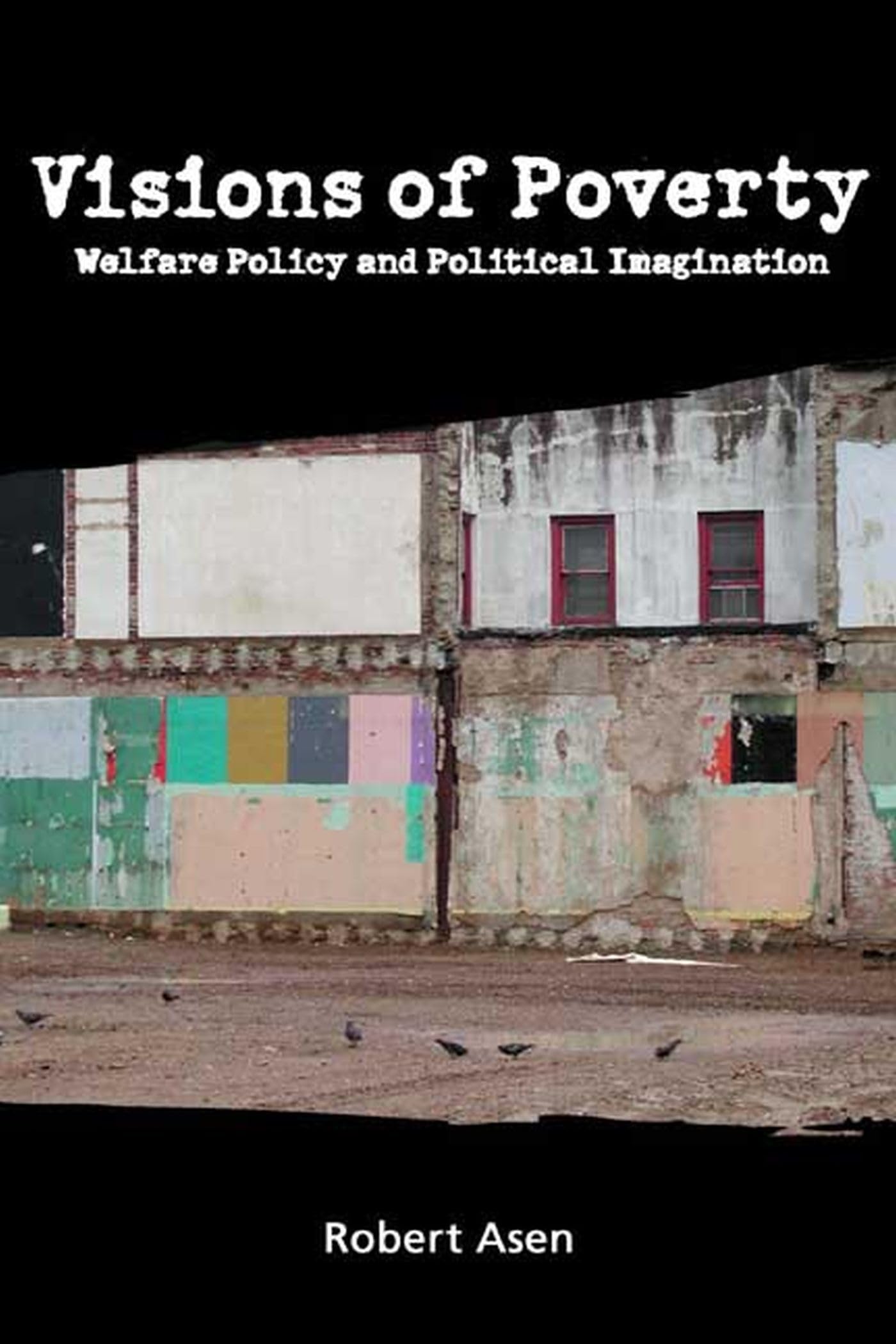
Images of poverty shape the debate surrounding it. In 1996, then President Bill Clinton signed welfare reform legislation repealing the principal federal program providing monetary assistance to poor families, Aid to Families with Dependent Children (AFDC). With the president's signature this originally noncontroversial program became the only title of the 1935 Social Security Act to be repealed. The legislation culminated a retrenchment era in welfare policy beginning in the early 1980s.To understand completely the welfare policy debates of the last half of the 20th Century, the various images of poor people that were present must be considered. Visions of Poverty explores these images and the policy debates of the retrenchment era, recounting the ways in which images of the poor appeared in these debates, relaying shifts in images that took place over time, and revealing how images functioned in policy debates to advantage some positions and disadvantage others. Looking to the future, Visions of Poverty demonstrates that any future policy agenda must first come to terms with the vivid, disabling images of the poor that continue to circulate. In debating future reforms, participantswhose ranks should include potential recipientsought to imagine poor people anew.This ground breaking study in policymaking and cultural imagination will be of particular interest to scholars in rhetorical studies, political science, history, and public policy.
⚠️ WARNING (California Proposition 65):
This product may contain chemicals known to the State of California to cause cancer,
birth defects, or other reproductive harm.
For MAP (Minimum Advertised Price) violations and Intellectual Property (IP) or Trademark concerns, please contact:
support@ergodebooks.com
⚠️ California Proposition 65 Warning: Some products sold on this website may expose you to chemicals known to the State of California to cause cancer, birth defects, or other reproductive harm. For more information, visit www.P65Warnings.ca.gov.