
Title
Visual Thinking Strategies: Using Art to Deepen Learning Across School Disciplines,Used
Sold by Ergodebooks, an authorized reseller.
Returns accepted within 30 days | support@ergodebooks.com
Shipping Information
- Free Standard Shipping — United States only
- Processing Time: 3–5 business days
- Estimated Delivery: 6–10 business days after dispatch
- Double-boxed, fully insured & discreetly packaged
- Tracking number sent via email once dispatched
Returns & Refund
Returns accepted within 30 days of delivery.
Damaged or Defective Item
Free return shipping + replacement or full refund
Wrong Item Received
Free return shipping + replacement or full refund
Change of Mind
Return shipping at customer's expense · 25% restocking fee applies
Payment Option

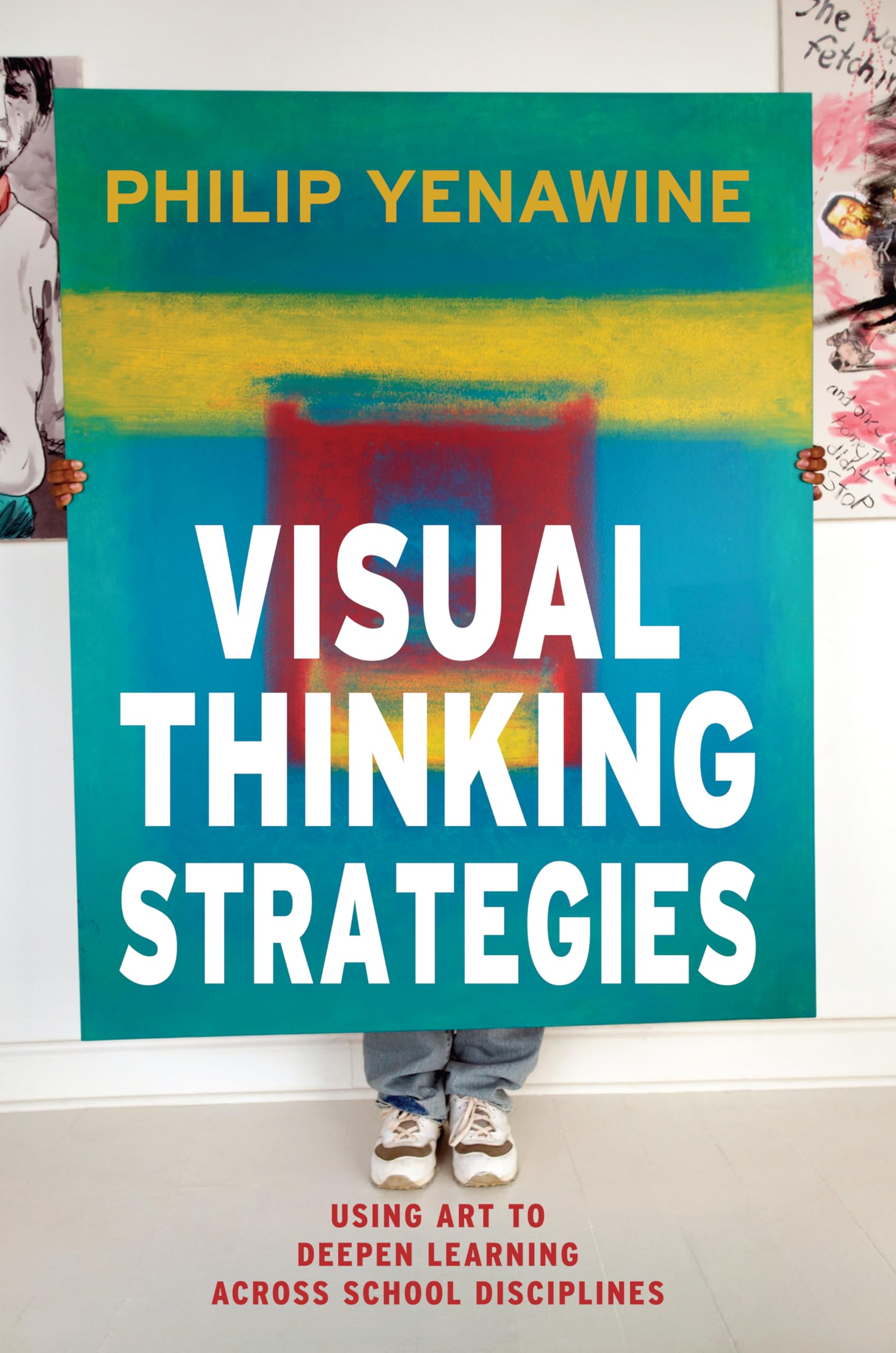
2014 Outstanding Academic Title, Choice'Whats going on in this picture?'With this one question and a carefully chosen work of art, teachers can start their students down a path toward deeper learning and other skills now encouraged by the Common Core State Standards. The Visual Thinking Strategies (VTS) teaching method has been successfully implemented in schools, districts, and cultural institutions nationwide, including bilingual schools in California, West Orange Public Schools in New Jersey, and the San Francisco Museum of Modern Art.It provides for openended yet highly structured discussions of visual art, and significantly increases students critical thinking, language, and literacy skills along the way.Philip Yenawine, former education director of New Yorks Museum of Modern Art and cocreator of the VTS curriculum, writes engagingly about his years of experience with elementary school students in the classroom. He reveals how VTS was developed and demonstrates how teachers are using artas well as poems, primary documents, and other visual artifactsto increase a variety of skills, including writing, listening, and speaking, across a range of subjects.The book shows how VTS can be easily and effectively integrated into elementary classroom lessons in just ten hours of a school year to create learnercentered environments where students at all levels are involved in rich, absorbing discussions.
⚠️ WARNING (California Proposition 65):
This product may contain chemicals known to the State of California to cause cancer, birth defects, or other reproductive harm.
For more information, please visit www.P65Warnings.ca.gov.
- Q: What is the main focus of 'Visual Thinking Strategies'? A: The book focuses on using art as a tool to enhance critical thinking, language, and literacy skills in students across various school disciplines.
- Q: Who is the author of 'Visual Thinking Strategies'? A: The author is Philip Yenawine, who is the former education director of the Museum of Modern Art in New York.
- Q: How does the Visual Thinking Strategies (VTS) method work? A: VTS involves guided discussions about visual art, prompting students to think critically and articulate their thoughts, thereby deepening their learning.
- Q: Is this book suitable for all grade levels? A: Yes, the strategies outlined in the book can be effectively integrated into elementary classroom lessons, making it suitable for various grade levels.
- Q: What is the publication date of this book? A: The book was published on October 1, 2013.
- Q: How many pages does 'Visual Thinking Strategies' contain? A: The book contains a total of 208 pages.
- Q: What type of binding does this book have? A: This edition is available in paperback binding.
- Q: Can 'Visual Thinking Strategies' be used in bilingual classrooms? A: Yes, the VTS method has been successfully implemented in bilingual schools, demonstrating its adaptability to diverse learning environments.
- Q: What skills does VTS aim to improve in students? A: VTS aims to enhance critical thinking, language, literacy, writing, listening, and speaking skills.
- Q: Is there a specific age group for which this book is intended? A: The book is primarily aimed at educators working with elementary school students, but its methods can be beneficial for various educational contexts.